OEM 250-300 TPH Stone Crushing Plant Contract Manufacturing: A Comprehensive Guide
In the global construction and mining industries, the demand for high-capacity, reliable aggregate production is insatiable. For companies seeking to establish or expand their aggregate supply without the prohibitive capital expenditure and R&D overhead of in-house manufacturing, partnering with an OEM (Original Equipment Manufacturer) contract manufacturer for a 250-300 TPH (Tonnes Per Hour) stone crushing plant presents a strategic and efficient solution. This detailed exploration delves into the intricacies of this partnership model, its benefits, key considerations, and the technical scope of such a mid-to-large-scale crushing plant.
Understanding the OEM Contract Manufacturing Model
OEM contract manufacturing in heavy industrial machinery refers to a partnership where a client company (the “brand owner”) outsources the design, engineering, fabrication, assembly, and sometimes testing of complete industrial plants to a specialized manufacturer. The final product is delivered as a turnkey or semi-turnkey solution, often branded with the client’s nameplate or sold as a white-label product.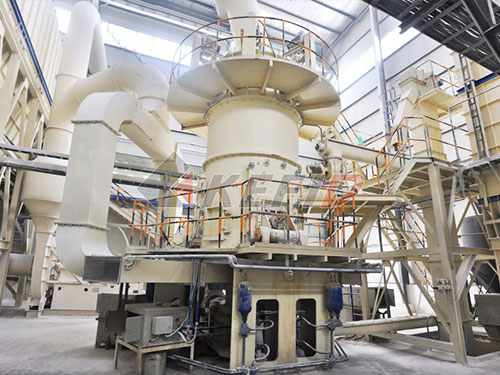
For a 250-300 TPH stone crushing plant, this means the client—who could be a mining company, a large construction firm, an independent quarry operator, or even a machinery dealer—contracts an experienced crushing plant OEM. The OEM leverages its expertise, supply chain networks, and production facilities to build a plant tailored to specific raw material characteristics (like granite, basalt, limestone) and final product requirements (e.g., road base aggregates, concrete sand, railway ballast).
Technical Scope of a 250-300 TPH Stone Crushing Plant
A plant of this capacity is considered a significant investment designed for continuous operation in medium to large quarries or major infrastructure projects. Its core configuration typically involves multiple stages of crushing and screening:
- Primary Crushing Station: Usually features a robust jaw crusher or gyratory crusher capable of handling large feed size (up to 750-1000mm). For 300 TPH capacity, a jaw crusher like 1200x1500mm or equivalent is common.
- Secondary Crushing Stage: Cone crushers are predominantly used here for intermediate crushing. One or two units (e.g., hydraulic cone crushers) are configured to receive material from the primary stage for further reduction.
- Tertiary/Fine Crushing Stage: For producing high-quality cubicle aggregates or sand, vertical shaft impact (VSI) crushers or fine cone crushers are employed. This stage is crucial for shaping and sand manufacturing.
- Screening & Classification: Multiple-tier vibrating screens (inclined or horizontal) are integrated at various points to separate material into precise size fractions (e.g., 0-5mm sand, 5-10mm chips).
- Material Handling System: A comprehensive network of belt conveyors with appropriate widths (e.g., B1000-B1400), speeds, and transfer points connects all stages. Dust suppression systems and enclosures are critical for environmental compliance.
- Control & Electrical System: A centralized PLC-based control system with an operator cabin allows for monitoring and controlling the entire flow process efficiently.
- Structural & Civil Aspects: The OEM typically designs and supplies all structural steelwork platforms, walkways, hoppers, and chutes. Civil engineering drawings for foundations are provided but civil work itself may be part of the contract or handled by the client.
Compelling Advantages of the OEM Contract Route
- Cost Efficiency & Capital Allocation: Clients avoid massive upfront investments in machining workshops, welding bays, painting facilities, and specialized labor. The OEM’s economies of scale in purchasing raw materials (steel plate motors gearboxes) translate into lower overall project cost.
- Access to Core Expertise & Latest Technology: Reputable OEMs possess deep application knowledge accumulated from hundreds of projects globally They can recommend optimal flow design cavity configurations liner selections etc ensuring higher productivity better product shape and lower wear cost per ton
- Faster Time-to-Market: With parallel processing of design procurement fabrication assembly under one roof contract manufacturers can deliver complete plants in significantly shorter timelines compared to piecemeal in-house assembly This allows clients to commence production sooner capturing market opportunities
- Risk Mitigation: The OEM assumes responsibility for equipment compatibility performance guarantees mechanical completion Single-point accountability simplifies project management reduces interface risks for client
- Focus on Core Business: Client companies can concentrate on their core competencies—quarry operations logistics sales customer relationships—while leaving complex manufacturing challenges experts
- Customization Flexibility: Unlike buying standardized package contract manufacturing allows deep customization Feed size hardness required product gradations site space constraints climatic conditions all factored into bespoke design
Critical Considerations When Selecting an OEM Partner
Choosing wrong manufacturer lead operational nightmares financial losses Therefore due diligence paramount
- Proven Track Record & Portfolio: Request detailed case studies references specifically plants similar capacity Ask visit existing installations witness operation firsthand Evaluate quality fabrication finish
- Engineering Capability Depth: Assess design team strength Do they use advanced tools like D simulation finite element analysis Can they provide optimized flow sheet guarantee performance metrics like yield percentage power consumption
- Manufacturing Facility & Quality Control: Visit factory Inspect workshop condition welding quality precision machining capacity painting process adherence international standards ISO Quality management systems non-destructive testing protocols essential
- Supply Chain & Component Sourcing Strategy: Inquire about key component brands bearings motors electrical panels belts etc Do they use genuine reputable suppliers Long-term relationships with brands like SKF Siemens Schneider ensure reliability spare parts availability
- Comprehensive Service Offering: Beyond manufacturing what after-sales support offered Installation supervision commissioning assistance operator training maintenance manuals readily available spare parts inventory Technical support responsiveness critical
- Commercial Terms & Contract Clarity: Contract must clearly define scope supply ex-works responsibilities performance guarantees liquidated damages delivery schedule payment terms intellectual property rights Detailed equipment list specifications mandatory
The Project Lifecycle: From Inquiry to Operation
- Feasibility & Inquiry Phase: Client provides basic data feed material final products site conditions budget expectations target timeline
- Proposal & Flow Sheet Design Phase : OEM conducts preliminary analysis submits technical commercial proposal including process flow diagram PFD general arrangement GA layout preliminary list major equipment PLM Commercial offer detail pricing delivery terms payment schedule warranty period etc Negotiation clarification follow leading contract signing advance payment Typically involve several iterations ensure alignment expectations reality before proceeding further stages especially crucial complex projects involving multiple stakeholders investors lenders etcetera…
3.Detailed Engineering Phase : Upon order placement detailed engineering commences This includes foundation loading drawings structural steel detailed designs chute hopper fabrication drawings pneumatic electrical schematics control system programming bill materials BOM generation procurement activities long lead items also start simultaneously phase critical path project success requires close collaboration between client’s engineering team if any manufacturer’s engineers ensure all site-specific requirements captured addressed early avoid costly changes later stage…
4.Manufacturing Assembly Phase : Raw materials procured components sourced fabrication begins workshops Steel structures cut welded machined painted Sub-assemblies performed Equipment mounted onto skids modules facilitate easier transportation onsite installation Quality inspections conducted throughout stage Factory acceptance testing FAT may performed certain subsystems control logic prior dispatch…
5.Shipment Logistics Phase : Plant disassembled logical modules packed containers flat racks oversized cargo meticulous planning required ensure components arrive sequence needed site minimize downtime during reassembly Proper documentation customs clearance handled either party per contract terms Incoterms defined clearly avoid disputes responsibilities…
6.Site Installation Commissioning Phase : Depending contract scope OEM may send supervisors engineers guide local contractor’s installation team ensuring adherence drawings specifications After mechanical completion commissioning begins checking alignment lubrication tension trial runs without material then gradual ramp-up full capacity Performance test conducted verify guaranteed throughput product gradation power consumption Successful commissioning leads handover training client’s operational staff…
7.After-Sales Support Phase : Warranty period typically months operation covering defects workmanship materials Ongoing support includes spare parts supply remote troubleshooting periodic maintenance inspections…
Market Trends Influencing Contract Manufacturing
- Smart Plants Integration : Increasing demand IoT-enabled plants with sensors data analytics predictive maintenance remote monitoring capabilities Modern OEMs incorporate these features connectivity readiness…
- Emphasis Sustainability Energy Efficiency : Clients seek designs minimize power consumption incorporate water recycling dust collection systems noise reduction enclosures Use high-efficiency crushers drives becoming standard requirement tenders…
- Modularity Mobility Concepts : Even fixed plants designed modular fashion reduce onsite construction time Some configurations semi-portable skid-mounted allowing relocation within large mining lease area…
*Focus Total Cost Ownership TCO Over Initial Price : Sophisticated buyers evaluate offers based projected operating costs maintenance downtime not just capital expenditure leading partnerships focused long-term reliability service support…
Conclusion
Engaging an experienced OEM as contract manufacturer for establishing robust stone crushing plant represents sophisticated strategic decision far beyond simple equipment purchase It forging collaborative partnership leverages specialized expertise economies scale deliver customized high-performance production asset By carefully selecting partner proven capabilities transparent contractual framework clients can effectively outsource complexity inherent heavy manufacturing secure competitive advantage their core business aggregate supply Ultimately success measured seamless integration plant into operations achieving sustained profitability through reliable efficient production exactly what competent contract manufacturer delivers
