OEM 250-300 TPH Stone Crushing Plant Companies: Engineering the Backbone of Modern Infrastructure
In the realm of industrial manufacturing and large-scale construction, the demand for consistent, high-volume aggregate production is insatiable. At the heart of this supply chain lies the 250-300 tons per hour (TPH) stone crushing plant—a benchmark capacity for major infrastructure projects, from highways and railways to commercial developments and urban expansion. While many contractors operate their own plants, a significant and sophisticated market exists for Original Equipment Manufacturer (OEM) companies that specialize in designing, engineering, and supplying these complete, turnkey crushing solutions. This article delves into the world of OEM companies providing 250-300 TPH stone crushing plants, exploring their technological prowess, market dynamics, key considerations, and the evolving trends shaping this critical industry.
Defining the Scope: What is a 250-300 TPH OEM Crushing Plant?
An OEM crushing plant in this capacity range is not merely a collection of crushers. It is a fully integrated material processing system designed, manufactured, and supplied by a single responsible company. The OEM provides the primary crusher (often a jaw crusher), secondary and tertiary crushers (like cone or impact crushers), screens (vibrating screens for sizing), conveyors (belt systems for material transfer), feeders, hoppers, and sophisticated control systems—all engineered to work in seamless harmony. The “250-300 TPH” designation indicates the plant’s designed processing capacity under specified conditions (e.g., material hardness, feed size, final product gradation), making it ideal for large quarrying operations or dedicated project sites requiring sustained high output.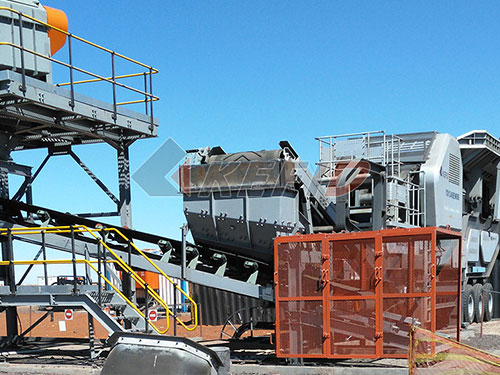
The Role and Value Proposition of OEM Companies
OEMs in this sector are more than just equipment vendors; they are solution partners. Their value proposition is multifaceted: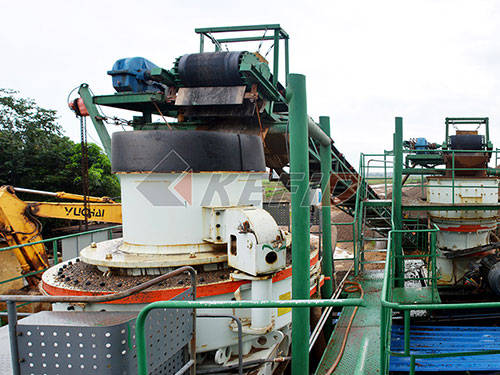
- Integrated System Design: They ensure optimal compatibility between all components. A mismatched screen and conveyor can bottleneck an entire operation. OEMs use advanced simulation software to model material flow and optimize layout for efficiency and space utilization.
- Engineering Expertise: They bring deep application knowledge regarding rock characteristics (abrasiveness, compressive strength). For a 250-300 TPH plant handling hard granite versus softer limestone, the crusher selection (e.g., heavy-duty jaw with a multi-cylinder hydraulic cone vs. an impact crusher), liner metallurgy, and overall machine robustness will differ significantly.
- Single-Point Accountability: This is a critical advantage for buyers. With an OEM solution, there is one contract and one point of contact for the entire system’s performance guarantee, warranty claims, and technical support, eliminating finger-pointing between multiple component suppliers.
- Advanced Automation and Control: Modern plants are nerve centers of data. Leading OEMs integrate programmable logic controller (PLC) systems with human-machine interface (HMI) panels that allow centralized control, real-time monitoring of production rates, power consumption, wear parts status, and automated safety interlocks.
- Mobility and Modularity: While many 250-300 TPH plants are semi-stationary or fixed due to their size, leading OEMs offer modular designs. These plants are pre-assembled in large modules (e.g., primary station module, screening tower module) that can be transported and connected on-site with reduced civil works and faster commissioning—a significant cost saver.
Key Technological Components in a 250-300 TPH Plant
The engineering excellence of an OEM is reflected in its component selection and integration:
- Primary Crushing Stage: Typically features a robust vibrating grizzly feeder to bypass fines and a heavy-duty jaw crusher (e.g., 1200x900mm to 1500x1200mm) capable of accepting large boulders directly from the quarry face.
- Secondary & Tertiary Crushing: This is where product shaping occurs. Cone crushers dominate here due to their efficiency in abrasive materials; modern hydraulic cone crushers with automatic setting regulation (ASRi systems) are standard from top-tier OEMs to maintain consistent product size despite wear.
- Screening Technology: High-capacity multi-deck vibrating screens are crucial for closed-circuit operations where oversized material is recirculated. Efficiency here directly impacts final product quality and overall plant throughput.
- Material Handling: A network of heavy-duty belt conveyors with appropriate widths (e.g., 1000mm to 1400mm), speeds, and drive systems forms the plant’s circulatory system.
- Dust Suppression & Environmental Controls: Modern OEM designs must incorporate comprehensive dust encapsulation at transfer points through sealing systems or baghouse filters alongside water spray systems to meet stringent environmental regulations.
Market Landscape: Leading Global Players
The market for high-capacity crushing plants is dominated by several global giants known for their R&D investment and global service networks:
- Metso Outotec / Nordberg®: A Finnish powerhouse renowned for its robust Lokotrack® mobile track-mounted plants (though smaller capacities exist within this range) but also leading in stationary/semi-stationary solutions featuring Nordberg® C-Series jaw crushers HP-Series cone crushers known for high reduction ratios.
- Sandvik Mining & Rock Solutions: A Swedish leader offering stationary crushing stations built around Sandvik jaw crushers CH-/CS-Series cone crushers known for their versatility automation capabilities like ASRi™ Automatic Setting Regulation.
- Terex MPS / Cedarapids®: An American stalwart offering modular “MJ” series jaw plants combined with “MVP” series cone crushers popular particularly in North American markets known for durability ease maintenance modular design philosophy facilitating rapid reconfiguration expansion if needed later on down line…
- ThyssenKrupp Industrial Solutions / Kleemann GmbH part Wirtgen Group: German engineering precision Kleemann offers sophisticated track-mounted EVO series but also provides stationary solutions featuring powerful gyratory/jaw primary units coupled secondary/tertiary impactors cones depending application needs…
Beyond these titans exists tier competitive regional players often based China India Turkey offering cost-effective alternatives sometimes leveraging proven designs local manufacturing advantages strong presence emerging economies where initial capital expenditure key consideration albeit sometimes trade-offs longevity service support may exist…
Critical Selection Criteria for Buyers
Choosing an OEM partner requires careful due diligence beyond just comparing price lists:
- Application Analysis & Test Work: Reputable OEMs will insist on detailed analysis feed material often conducting pilot-scale tests recommend optimal configuration…
- Total Cost Ownership vs Initial Price: Smart buyers evaluate energy efficiency projected wear parts consumption availability/cost spare parts maintenance requirements over expected lifespan…
- After-Sales Service Support Network: For plant producing ~700000 tons annually downtime extremely costly Proximity skilled technicians availability genuine spare parts inventory crucial factors decision-making process…
- Flexibility Future Needs: Can plant be easily modified produce different product mixes? Is design scalable allow future expansion beyond current capacity?
- Sustainability Features: Energy-efficient drives water recycling systems noise abatement measures increasingly important not only regulatory compliance but also corporate social responsibility branding…
Emerging Trends Shaping Future Plants
The industry moving towards greater intelligence sustainability:
- Digitalization IoT Integration: Remote monitoring predictive maintenance becoming standard Sensors track vibration temperature oil condition allowing algorithms predict failures before they occur scheduling maintenance proactively minimizing unplanned stoppages…
- Hybrid Electrification: Growing trend integrating diesel-electric drives hybrid power options reduce fuel consumption carbon footprint especially grid power available site…
- Automation Optimization: Advanced control systems automatically adjust crusher settings feeder rates based real-time sensor data maximize throughput while maintaining product specification protecting machinery overload conditions…
- Circular Economy Focus: Designs incorporating easier recycling demolition concrete asphalt RAP reclaimed asphalt pavement becoming more prevalent supporting green construction practices…
Conclusion
OEM companies providing complete stone crushing solutions represent pinnacle industrial engineering combining mechanical design materials science process automation Their role enabling efficient extraction transformation raw rock into essential building blocks modern civilization cannot overstated For any enterprise undertaking major long-term aggregate production project investing right partner critical success The choice between global technology leader regional specialist ultimately hinges specific operational financial strategic priorities However regardless choice emphasis must always remain holistic view evaluating not just machinery itself but entire ecosystem engineering support service wraps around it ensuring that formidable investment continues deliver reliable profitable performance throughout its decades-long service life Ultimately these formidable machines—and companies behind them—remain largely unseen yet fundamentally indispensable architects our physical world…
