
The global construction industry is fundamentally built upon a simple yet indispensable resource: sand and gravel. These aggregates form the literal and figurative bedrock of modern infrastructure, comprising the bulk of concrete, asphalt, road bases, and building foundations. To meet the massive and consistent demand for high-quality, specification-grade materials, the industry relies on sophisticated facilities known as sand gravel mining and processing plants. Within this sector, the ODM (Original Design Manufacturer) model has emerged as a pivotal solution for companies seeking to establish or upgrade their aggregate production capabilities efficiently and effectively. This article provides a comprehensive exploration of the ODM sand gravel processing plant, detailing its components, processes, benefits, and critical considerations.
In the context of heavy industrial equipment, an ODM is a company that designs and manufactures a product which is then branded and sold by another company. For a sand gravel plant, this means an ODM partner takes full responsibility for the engineering, design, manufacturing, supply, and often the commissioning of a complete processing plant tailored to a client’s specific needs. The client—typically a mining company, large contractor, or independent aggregate producer—provides the operational parameters (e.g., material type, desired output products, production capacity), and the ODM delivers a turnkey or semi-turnkey solution.
This contrasts with the EPC (Engineering, Procurement, and Construction) model or simply purchasing individual equipment from multiple vendors. The ODM approach offers a single point of accountability, integrating all components from crushing to screening to material handling into a cohesive, optimized system.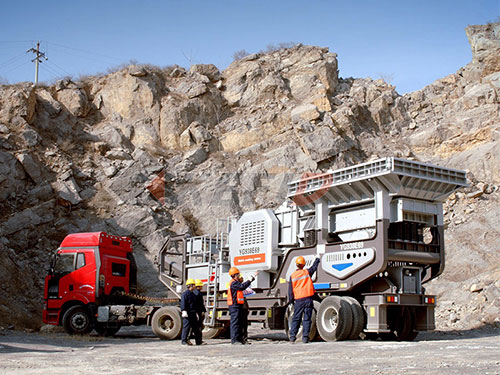
A modern ODM-designed plant is a complex orchestration of heavy machinery designed to transform raw feed material (run-of-mine or run-of-pit sand and gravel) into precisely sorted and cleaned final products. The key stages and components include:
1. Feeding and Primary Size Reduction:
2. Secondary and Tertiary Crushing:
To achieve smaller aggregate sizes (e.g., for concrete mixes or asphalt), further reduction is necessary.
3. Screening and Classification:
This is the heart of product separation.
4. Washing Systems:
Removing clay, silt,and other deleterious materials is critical for producing high-specification concrete sand.
5. Material Handling Systems:
An efficient plant relies on robust conveying systems.
6.Control Systems:
ModernODM plants are equipped with sophisticated Programmable Logic Controller(PLC)-based automation systems.They allow operators to monitor motor loads,crusher settings,and screen performance from acentral control room,maximizing efficiencyand minimizing downtime.
The journey from rawmaterialto finished product within anODM plant follows alogical sequence:
1.Excavation &Transport: Rawsandandgravelare excavatedfromthe deposit(pit or quarry)and transportedby truckor loader tothe plant’sfeed hopper.
2.Primary Crushing & Scalping: Large rocksare reducedin sizebythe primarycrusher.Thecrushedmaterialis thenconveyedto aprimary screenwhereit issorted;oversizematerialmay berecirculatedbackto thecrusherwhile correctlysizedmaterialmoves forward.
3.Secondary/Tertiary Crushing Circuit: Materialdesignatedfor further reductionis routedthroughsecondaryand potentially tertiarycrushersinaclosed-circuitloopwith screens.This ensuresallmaterialis crushedto therequiredsizebeforeproceeding.
4.Final Screening &Washing: Thefullycrushedaggregateis sentto finalscreeningdeckswhereit issplitinto its variouscoarseaggregateproducts(e.g.,#57stone,#8stone).Thefines(-⅜”)aremovedtothewashplant.
5.Sand Classification & Dewatering: Inthwashplant,thesand-water slurryis processedthroughhydrocyclonesto removeunwanted siltandclay(fines).Thecleaned,sizedsandisthendewateredin screw washersor similar equipmentbeforebeingstacked.
6.Stockpiling & Loadout: Allfinalproducts—varioussizesofcoarseaggregateanddifferentgradesofsand—areconveyedtodedicatedstockpiles.Reclaim systemsunder these stockpiles load trucksor railcarsfor distributiontocustomers.
ChoosinganODMfora processingplantoffersseveral distinctadvantages:
Whilethebenefitsaresignificant,due diligenceiscrucialwhenselectinganODMpartner:
1.Material Characterization: The entireplantdesignhingesonthepropertiesofthefeedmaterial.A comprehensivegeologicalsurveyandsampletestingprogram(includingabrasiveness,density,andclaycontent)isnon-negotiable.TheODMmushavetheexpertisetotranslatethesedataintoanefficientprocessflowsheet( PFD).
2.Site-Specific Constraints:Theplantlayoutmustaccommodatethephysicaltopographyofthesite,e nvironmentalregulations(noise,dust,watershedmanagement),andelectricalinfrastructureavailability .
3.Product Portfolio & Market Demand:Theplantshouldbedesignedtoproducetheoptimalmixofproductsthatalignwithlocalmarketdemandsandyieldthehighestreturnoninvestment.Forexample,a regionwithastrongreadymixconcreteindustrywillprioritizehigh-qualityconcretesandandin specaggregates .
4.**Lifecycle Costs & Service Support:Thelowestinitialbidisnotalwaysthebestchoice.EvaluatetheOD M’sreputationforsupplyingspareparts,t echnicalsupport,andfieldservice.Therobustnessandeaseofmaintenanceoftheproposede quipmentshouldbeakeyfactorinthedecision .
The modern ODMsandgravel miningprocessingplantrepresentsapeakofindustrialengineering.Itistheresultofapplyingdecadesofmechanicaldesign,materialsscience,andprocesscontroltothefundamentaltaskoftransformingraw,naturalresourcesintotheprecision-engineeredbuildingblocksofcivilization.Fortheaggregateproducer,theODMmodelprovidesapathwaytoachieveoperationalexcellence ,ensuringconsistentproductquality,maximumefficiency,andlong-termprofitabilityinanincreasinglycompetitiveglobalmarket .BycarefullyselectinganexperiencedandreputableODMpartner,a companycansecurenotjustapieceofequipment,butafoundationforsustainablegrowth .
Lorem ipsum dolor sit amet, consectetur adipisicing elit. Consectetur sequi saepe ut sunt eveniet perferendis excepturi, iste obcaecati. Qui tempore hic sed quia soluta obcaecati vel.