
In the global mining industry, the efficient processing of iron ore is a cornerstone of steel production and industrial development. For mining companies and project developers, establishing a cost-effective and reliable crushing circuit is a critical initial capital expenditure. Increasingly, many are turning to the Original Design Manufacturing (ODM) model for their iron ore crushing plant needs. Understanding the cost structure of an ODM iron ore crushing plant is not about finding a single price tag, but about analyzing a multifaceted investment that balances upfront capital with long-term operational efficiency, reliability, and total cost of ownership.
Before delving into costs, it’s essential to clarify the ODM model. Unlike Original Equipment Manufacturers (OEMs) who sell their own branded designs, or EPC (Engineering, Procurement, and Construction) contractors who manage entire turnkey projects, an ODM provider specializes in designing and manufacturing equipment to meet a client’s specific performance specifications. The client often provides the operational requirements (e.g., feed size, target capacity, product gradation), and the ODM partner engineers a solution, frequently manufacturing it under the client’s or a neutral brand. This model offers significant advantages: customization flexibility, potentially lower direct manufacturing costs (often leveraging global supply chains), and focused expertise on core crushing technology without the premium of a global OEM brand.
The total cost of an ODM-supplied crushing plant is a composite of several interdependent factors.
1. Plant Capacity and Scale:
This is the primary cost driver. A plant designed for 500 tonnes per hour (tph) will have a fundamentally different price structure than one for 2,500 tph or more. Larger capacity necessitates:
2. Crushing Circuit Design & Complexity:
The chosen flow sheet directly dictates equipment count and sophistication.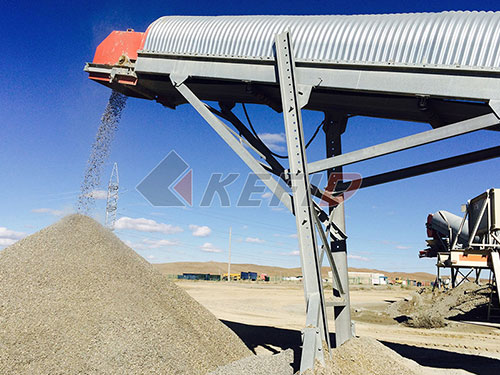
3. Material Characteristics of the Ore:
The ore itself dictates equipment selection and wear costs.
4. Scope of Supply from the ODM Partner:
What exactly is included in the “plant” cost? This must be explicitly defined.
5. Geographical & Logistics Considerations:
6. Quality Standards & Compliance:
An ODM offering equipment built to internationally recognized standards (ISO, CE certified designs using SKF/Timken bearings etc.) will have higher input costs than one using non-branded components. This directly impacts reliability mean time between failures (MTBF), safety lifecycle costs.
A realistic budget for an ODM iron ore crushing plant should consider these categories:
A. Direct Capital Expenditure (CAPEX):
B Indirect Costs Influenced by ODM Choice:
1 Installation & Commissioning Costs influenced by modularization level ease-of-assembly design
2 Spare Parts Initial Inventory typically 10-20% of equipment cost
3 Freight Insurance Customs Clearance
The most significant financial analysis lies not just in purchase price but Total Cost Ownership TCO over plant lifespan which can exceed years An initially cheaper plant may incur crippling operational expenses Examples include: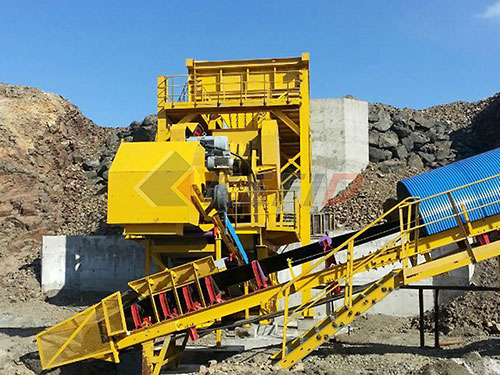
High Wear Part Consumption inferior metallurgy liners lead frequent replacement costly downtime
Energy Inefficiency poorly optimized circuit outdated drive technology results higher kWh/tonne costs
Low Availability unreliable components inadequate maintenance access design reduce annual operating hours impacting revenue generation
Therefore evaluating an ODM proposal requires rigorous life-cycle costing A reputable established ODM will demonstrate value through:
Design optimization reducing recirculating load minimizing energy waste
Providing wear parts with guaranteed performance metrics tons crushed/mm liner wear
Offering remote diagnostic services maximize uptime
The cost of an ODM iron ore crushing plant is therefore strategic variable not merely procurement exercise It represents trade-off between initial capital outlay long-term operational efficiency reliability For junior miners constrained CAPEX robust proven design from reliable partner can de-risk project enabling production ramp-up For majors focus on TCO automation sustainability leading ODMs offering digitalization solutions become attractive partners Ultimately successful investment hinges clear specification comprehensive due diligence on manufacturer’s track record financial stability engineering depth post-sales support capabilities True value lies securing plant that delivers lowest sustainable cost per tonne crushed over its entire service life ensuring competitiveness volatile global iron market
Lorem ipsum dolor sit amet, consectetur adipisicing elit. Consectetur sequi saepe ut sunt eveniet perferendis excepturi, iste obcaecati. Qui tempore hic sed quia soluta obcaecati vel.