Innovation in Motion: A Deep Dive into ODM R&D for Coke Vibration Screens
In the highly competitive and technologically driven metallurgical and carbon industries, the efficient handling and processing of materials like petroleum coke (petcoke) are paramount to operational success. Central to this process is the vibration screen, a seemingly simple yet critically complex piece of equipment responsible for classifying coke by size. For Original Design Manufacturers (ODMs) specializing in this niche, the Research and Development (R&D) process is not merely about building a machine that shakes; it is a sophisticated, multi-disciplinary endeavor focused on precision, durability, and intelligence. This article provides a comprehensive exploration of the key focus areas within ODM R&D for coke vibration screens, detailing the challenges, innovations, and future trajectories that define this vital field.
1. Understanding the Application: The Unique Challenges of Screening Coke
Before delving into R&D specifics, it is crucial to understand the material itself. Petroleum coke, a carbonaceous solid derived from oil refinery coker units, presents several unique screening challenges that directly inform R&D priorities:
- Abrasive Nature: Coke is highly abrasive, leading to rapid wear of screen decks, side liners, and other components in direct contact with the material.
- Dust Generation: The screening process generates significant amounts of fine carbon dust, which poses environmental, health, and safety (EHS) risks and can interfere with machine operation.
- Particle Shape and Size Distribution: Coke particles can be irregularly shaped, ranging from fine powders to large chunks. Efficient separation requires precise control over vibration parameters.
- Moisture Content: Varying moisture levels can cause material blinding (clogging of screen apertures), severely reducing screening efficiency.
- High-Throughput Demand: Coking plants operate on a massive scale, requiring screens that can handle thousands of tons per hour with minimal downtime.
An ODM’s R&D department must first deeply internalize these operational realities to engineer solutions that are not just theoretically sound but practically robust.
2. Core Pillars of ODM Coke Vibration Screen R&D
The R&D efforts for coke vibration screens can be categorized into several interconnected pillars.
A. Structural Dynamics and Vibration Mechanics
At the heart of every screen is its vibratory motion. R&D in this area focuses on optimizing the excitation system to achieve maximum screening efficiency with minimal energy consumption and structural stress.
- Vibration Mode Selection: Engineers rigorously analyze linear vs. circular vs. elliptical motion patterns. For coke screening, a combination is often optimal—elliptical or linear motion for efficient stratification and conveyance in the initial stages, transitioning to circular motion for precise sizing in later stages.
- Dynamic Modeling and Simulation: Advanced software like Finite Element Analysis (FEA) is indispensable. R&D teams use FEA to model the entire screen body—from the main frame to the side plates—to predict stress concentrations under dynamic loads. This allows for iterative design improvements that eliminate weak points before prototyping, leading to a lighter yet more durable structure.
- Vibrator Assembly Design: The design of the eccentric shafts or unbalanced mass vibrators is critical. R&D focuses on robust bearing selection (often spherical roller bearings for their misalignment capability), precise lubrication systems (oil bath vs. grease), and ensuring perfect synchronization between exciters in dual-vibrator setups.
B. Materials Science and Wear Resistance
Combating abrasion is a constant battle. ODM R&D invests heavily in materials technology to extend component life.
- Screen Media Innovation: This is arguably the most active area of R&D.
- Polyurethane (PU) Panels: PU offers excellent abrasion resistance combined with noise reduction properties. R&D focuses on developing formulations with varying hardness levels (Shore A), tear strength, and elastic modulus tailored for different coke fractions.
- Rubber Screen Decks: For certain applications, specialized rubber with high cut-and-tear resistance offers superior performance.
- Hybrid & Modular Designs: ODMs develop modular panel systems that allow for easy replacement of high-wear sections without changing the entire deck.
- Specialized Alloy Steel Wires: For woven wire mesh screens used in fine screening, R&D involves testing high-carbon or stainless-steel wires with specific tensile strengths and surface treatments like polyurethane coating or hardening processes.
- Component Hardening & Coatings: Critical wear areas beyond the screen deck—such as feed boxes, discharge lips, and side liners—are protected using advanced surface engineering techniques like Hardox steel plates, ceramic liners bonded to steel substrates via specialized vulcanization processes or high-velocity oxygen-fuel (HVOF) thermal spraying of tungsten carbide coatings.
C. Sealing Systems & Dust Containment
Given coke’s dusty nature an effective sealing system is non-negotiable.
- Multi-Stage Sealing Solutions: Modern designs employ labyrinth seals combined with durable rubber or polyurethane dust guards at multiple points around the screen body where moving parts exit.
- Integrated Dust Extraction Interfaces: R&D designs include strategically placed flanges and hoods that seamlessly integrate with plant dust collection systems (baghouses), ensuring negative pressure within the screen enclosure to prevent dust escape.
D.Drive System Optimization & Energy Efficiency
The method of driving vibration has evolved significantly.
- Traditional Vibratory Motors vs. Direct-Drive Exciters: While vibratory motors mounted on the side plates offer simplicity direct-drive exciters connected via couplings offer better control over vibration amplitude independent from motor speed allowing more flexibility during start-up/shutdown sequences which reduces stress on belts drives if used
However many modern high-capacity screens still utilize reliable traditional designs where motors transmit power through V-belts providing some flexibility isolation from vibratory forces
R& D must evaluate trade-offs between cost complexity maintenance requirements performance specifications when selecting optimal drive configuration
E.Smart Screening & IoT Integration
The era of Industry 4 0 has firmly taken root in vibration screen technology ODMs are increasingly focusing on making their screens intelligent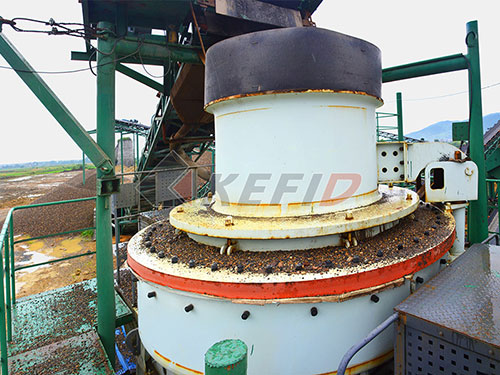
- Embedded Sensor Technology: Accelerometers temperature sensors are now standard features mounted directly on bearing housings vibrator assemblies These sensors monitor vibration spectra temperature trends in real-time
- Predictive Maintenance Algorithms: Data from embedded sensors fed into cloud platforms where machine learning algorithms analyze patterns Deviations from baseline signatures indicate potential issues like bearing wear unbalance misalignment allowing maintenance be scheduled proactively avoiding catastrophic failures unplanned downtime
- Remote Monitoring Control: Through Human-Machine Interface HMIs SCADA systems operators can remotely adjust vibration amplitude frequency monitor performance metrics receive automated alerts This transforms screen from passive machine into connected data-generating asset
3.The Prototyping Validation Cycle
A robust RD process relies heavily on rigorous testing
1 Virtual Prototyping: Before any metal cut extensive simulations performed using Discrete Element Modeling DEM software DEM allows engineers simulate flow millions individual coke particles through virtual screen model analyzing parameters like residence time blinding probability separation accuracy
2 In-House Laboratory Testing: Small-scale prototypes built tested using actual coke samples under controlled conditions validating simulation results refining designs
3 Full-Scale Field Trials: Final crucial step involves installing prototype unit client site for extended trial period Real-world conditions provide invaluable data long-term durability performance under variable feed rates moisture content
4.Future Trends ODM RD
Looking ahead several key trends will shape future ODM RD efforts
- Sustainability Circular Economy: Developing designs use less energy incorporate more recyclable materials create components easier remanufacture
- Advanced Materials: Exploration graphene-enhanced composites next-generation polyurethanes offer step-change improvement wear resistance
- Autonomous Operation: Further development AI-driven systems automatically adjust operating parameters real-time based feed characteristics optimize efficiency prevent blinding without human intervention
Conclusion
The development an ODM coke vibration screen far transcends simple mechanical engineering It represents deep synthesis structural dynamics materials science data analytics relentless pursuit reliability efficiency By embracing multi-faceted RD approach combining theoretical modeling empirical testing real-world validation leading ODMs continue push boundaries what possible delivering equipment not only meets demands modern coking industry but anticipates challenges future ensuring their clients remain competitive global marketplace
