
ODM Ball Mill Datasheet: A Comprehensive Technical and Commercial Analysis
In the mineral processing, cement, ceramics, and chemical industries, the ball mill stands as a cornerstone technology for comminution—the process of reducing material particle size. While many end-users procure equipment directly from well-known Original Equipment Manufacturers (OEMs), a significant and growing segment of the market leverages the capabilities of Original Design Manufacturers (ODMs). An ODM ball mill datasheet is more than just a list of specifications; it is a critical document that encapsulates the technical competency, manufacturing philosophy, and commercial flexibility of the supplier. This detailed analysis delves into the essential components, implicit meanings, and evaluation criteria of an ODM ball mill datasheet.
Before dissecting the datasheet itself, it is crucial to define the ODM context. Unlike an OEM which designs, brands, and manufactures under its own name, an ODM designs and manufactures a product that is eventually branded and sold by another company (the client or “reseller”). In heavy machinery like ball mills, this model manifests in several ways:
Therefore, an ODM datasheet serves a dual purpose: it demonstrates adherence to universal engineering standards while highlighting adaptability and cost-effectiveness compared to rigid OEM offerings.
A professional ODM datasheet is systematically structured. Key sections include:
A. General Description & Operating Principle
This section outlines the type of ball mill (e.g., overflow discharge, grate discharge, peripheral discharge), its primary applications (wet or dry grinding), and a brief overview of its working principle. It should clearly state that material size reduction occurs via impact and abrasion as the grinding media (balls) are lifted by shell rotation and cascade or cataract down onto the ore charge.
B. Technical Specifications & Dimensional Data
This is the quantitative heart of the datasheet.
C. Material & Component Specifications
Here, build quality becomes apparent.
D. Performance Guarantees
A reputable ODM will stand behind key performance indicators:
E. Scope of Supply
A clear delineation between what is included (“ex-works”) versus what is optional or supplied by others:
Evaluating an ODM datasheet requires scrutiny beyond stated numbers:
Clarity vs. Vagueness: Specific material grades like “ASTM A516 Gr70” are preferable to generic terms like “high-strength steel.” Detailed dimensional drawings should be referenced or appended.
Design Heritage & References: While not always branded publicly on final product due to confidentiality agreements experienced ODMs will often reference compliance with international standards such as ISO 9001 ASME AGMA etc They may also provide anonymized case studies
**Focus on Adaptability vs Standardization Look for language indicating flexibility Can liners profiles be customized Is there option for dual pinion drives for higher power Are various discharge configurations available This flexibility is often ODMs primary value proposition
4 Implied Manufacturing Capability The ability to handle large single piece castings machine massive gears ensure precise alignment speaks volumes about factory infrastructure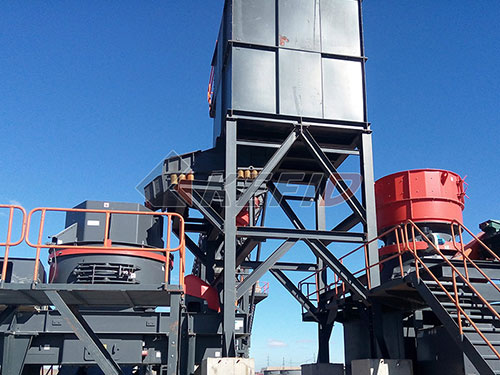
5 After Sales Support Section A strong section detailing availability spare parts recommended inventory technical support training manuals indicates long term partnership commitment rather than just transactional sale
The fundamental difference lies in emphasis
OEM Datasheets Often emphasize brand heritage proprietary technology global service network They present finalized optimized solution
ODM Datasheets Typically emphasize robust engineering cost efficiency modularity customization potential They present capable adaptable platform
End users must conduct rigorous due diligence
Factory Audits Essential visit manufacturing facility assess quality control welding procedures machining capabilities
Design Review Engage independent third party engineer review detailed drawings calculations
Reference Checks Contact previous clients ideally visit operational installations
Contractual Clarity Ensure performance guarantees warranties intellectual property rights scope boundaries are explicitly defined in contract
Conclusion
An ODM ball mill datasheet represents gateway into collaborative industrial partnership It documents not just machine capable reducing rock but philosophy focused delivering value through engineering competence manufacturing quality operational flexibility For cost conscious projects requiring specific adaptations leveraging right ODM partner can provide optimal balance performance reliability total cost ownership However success hinges upon moving beyond paper conducting thorough technical commercial evaluation ensure underlying reality matches promise presented data sheet Ultimately robust comprehensive datasheet hallmark confident capable manufacturer regardless branding model
Lorem ipsum dolor sit amet, consectetur adipisicing elit. Consectetur sequi saepe ut sunt eveniet perferendis excepturi, iste obcaecati. Qui tempore hic sed quia soluta obcaecati vel.