The Luxury Stone Crusher Plant: A Datasheet on High-Performance, Sustainability, and Operational Excellence
Abstract: The modern stone crushing plant has evolved far beyond its fundamental purpose of size reduction. In the context of large-scale infrastructure projects, premium mining operations, and environmentally sensitive areas, the concept of a “Luxury Stone Crusher Plant” emerges. This term does not denote opulence but signifies the pinnacle of operational efficiency, advanced automation, superior environmental controls, exceptional product quality management, and a holistic focus on lifecycle value and safety. This datasheet delineates the core components, technological integrations, and performance metrics that define this elite class of aggregate processing facilities.
1.0 Defining the “Luxury” Paradigm
In aggregate processing, “luxury” is a qualitative measure of performance and capability, not aesthetics. A Luxury Stone Crusher Plant is characterized by its ability to deliver maximum uptime, produce highly specified and consistent end products, operate with minimal environmental impact, and ensure unparalleled safety for personnel and equipment. It represents a capital-intensive investment that yields superior long-term returns through optimized operational expenditure (OPEX), reduced waste, and enhanced market positioning for high-value aggregates.
2.0 Core Components & Technological Architecture
A luxury plant is built upon a foundation of premium hardware seamlessly integrated with sophisticated software.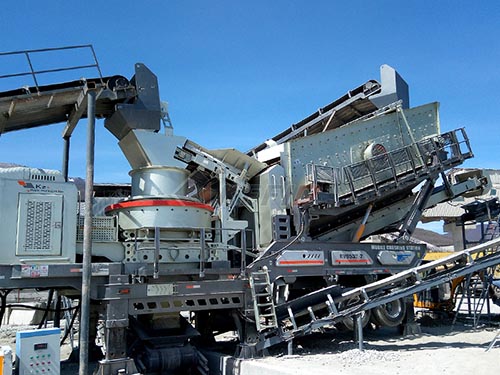
2.1 Primary Crushing Station: The Robust Entry Point
- Crusher Type: Typically a high-capacity Jaw Crusher or Gyratory Crusher from top-tier manufacturers (e.g., Metso, Sandvik, Terex). Key features include:
- Heavy-Duty Construction: Forged steel main frames and pitmans for longevity under extreme stress.
- Integrated Pre-Screening: A vibrating grizzly feeder (VGF) with by-pass chute to remove fines before primary crushing, increasing capacity and reducing wear.
- Hydraulic Adjustment & Clearing: Allows for quick CSS (Closed Side Setting) changes and automatic clearing of blockages without manual intervention, drastically improving safety and reducing downtime.
- Feeder System: Advanced apron or vibrating feeders with variable frequency drives (VFDs) for precise control over feed rate, matching downstream capacity.
2.2 Secondary & Tertiary Crushing Circuit: Precision Engineering
- Crusher Types: A combination of Cone Crushers and Vertical Shaft Impactors (VSI).
- Cone Crushers: Equipped with automated control systems like ASRi (Automatic Setting Regulation) that continuously monitor and optimize crusher load and product size in real-time.
- Vertical Shaft Impactors (VSI): Essential for producing premium-shaped aggregates (cubical products) for asphalt and concrete. Luxury plants often feature rotor anvil systems or rotor-on-rotor designs for maximum flexibility in product shaping.
- Interconnecting Conveyors: High-specification conveyor belts with engineered transfer points to minimize dust generation and material spillage. All critical conveyors feature automated metal detection and tramp iron relief systems.
2.3 Screening & Classification: The Heart of Product Specification
- Multi-Deck Vibrating Screens: A battery of high-efficiency screens is employed.
- Banana Screens: For high-capacity sizing at the primary stage.
- Horizontal Screens: For precise sizing in secondary/tertiary circuits.
- Automation Integration: Screen decks are fitted with sensor systems (e.g., proximity switches, camera-based monitoring) to detect panel wear or blinding. Screen mesh changes can be semi-automated.
2.4 Control & Automation System: The Intelligent Hub
This is the definitive feature of a luxury plant.
- Centralized Control Room: An ergonomic, climate-controlled room with high-fidelity acoustics to protect operators.
- SCADA/HMI System: A sophisticated Supervisory Control and Data Acquisition (SCADA) system provides a single-pane-of-glass view of the entire operation.
- Real-Time Monitoring: Tracks power draw, throughput rates CSS settings, bin levels, and conveyor speeds.
- Predictive Analytics: Uses historical performance data to forecast maintenance needs and potential failures before they occur.
- Remote Access & Control: Allows expert engineers to diagnose issues or adjust parameters from anywhere in the world.
3.0 Performance & Quality Assurance Metrics
A luxury plant is defined by its output quality as much as its volume.
| Metric |
Standard Plant |
Luxury Plant |
| Availability / Uptime |
85-90% |
>95% |
| Product Consistency (Flakiness Index) |
Variable; may require blending |
Consistently <15%; highly cubical |
| Dust Emissions |
Managed with basic baghouses or water sprays |
< 10 mg/Nm³ via advanced dry fog & bag filter systems |
| Noise Emissions |
Often > 85 dBA at perimeter |
< 75 dBA via acoustic enclosures & barriers |
| (OPEX) Cost per Tonne |
Higher due to unplanned downtime & lower efficiency |
Minimized through predictive maintenance & optimization |
4.0 Environmental Stewardship & Sustainability
A luxury plant operates as a responsible corporate neighbor.
- Dust Suppression:
- Primary Control: Fully enclosed conveyors, transfer points, and crusher housings.
- Secondary Control: High-pressure dry fog systems at all emission points that agglomerate dust particles without adding moisture to the product.
- Tertiary Control: Centralized baghouse filter units with automated pulse-jet cleaning.
- Noise Abatement: Acoustic encapsulation of crushers, screens, and motors; sound-dampening panels on buildings; strategic placement of earth berms as natural sound barriers.
- Water Management: A fully closed-loop water recycling system for dust suppression if wet scrubbing is used. This includes settling ponds or clarifiers to treat process water before recirculation.
5.0 Safety & Ergonomics: A Zero-Harm Philosophy
Safety is engineered into every aspect of the design.
- Lockout/Tagout (LOTO) Systems:: Centralized LOTO stations with individualized locks for every worker.
- Guardning:: Full perimeter guarding around all moving parts with interlocked access gates that halt equipment when opened.
- Maintenance Access:: Walkways with non-slip grating; strategically placed ladders; built-in overhead crane systems in pre-crusher areas for safe liner changes; lubrication platforms that allow technicians to service equipment without entering hazardous zones.
6.0 Operational Flexibility & Economic Justification
The high initial CAPEX is justified by long-term profitability.
- Market Agility:: The ability to quickly adjust crusher settings allows the plant to switch between producing base course material one day to high-value manufactured sand for concrete the next capitalizing on market demand
- Lifecycle Cost Analysis:: While premium components cost more upfront their extended service life results in lower total cost ownership over a 10-15 year horizon
- Reduced Labor Dependency:: High levels automation mean one operator can manage the entire flow from primary feed final product loading reducing labor costs human error
Conclusion
The Luxury Stone Crusher Plant represents maturity industrialization aggregate industry It moves concept brute force processing one precision manufacturing where data-driven decisions replace reactive maintenance where environmental compliance strategic advantage where operator safety non-negotiable While requiring significant upfront investment its defining characteristics—unmatched reliability superior product quality minimal environmental footprint—deliver compelling economic case serious operators aiming lead competitive global market ultimate measure luxury not its price tag but its profound operational superiority long-term value creation
