
The term “Limestone Mining Factories Catalog” evokes the image of a straightforward directory listing suppliers of raw limestone. However, this concept belies the immense complexity, technological sophistication, and economic significance of the modern limestone industry. A true understanding requires moving beyond a simple list of names and addresses to an appreciation of the entire value chain—from geological exploration and extraction to advanced processing and application-specific product lines. This article serves as a detailed exposition of this sector, functioning as a comprehensive guide to what a sophisticated “catalog” of this industry truly represents.
Limestone is a sedimentary rock composed primarily of calcium carbonate (CaCO3), most commonly in the form of the mineral calcite. Its origins are predominantly biological, formed over millions of years from the accumulated skeletal fragments of marine organisms such as corals, foraminifera, and mollusks. This genesis imparts a wide range of physical properties, making it one of the world’s most versatile and essential industrial minerals.
Key characteristics that define its utility include:
A “limestone mining factory” is more accurately described as an integrated mining and processing operation. The process is methodical and capital-intensive.
1. Prospecting and Quarry Development:
Before any mining begins, extensive geological surveys are conducted using core drilling and geophysical techniques to determine the size, quality, and depth of the limestone deposit. This data informs the mine plan and economic viability. Modern quarries are designed for efficiency, safety, and minimal environmental impact from the outset.
2. Extraction (Mining):
The primary method for extracting limestone is surface quarrying. This involves:
3. Primary Crushing and Sizing:
The run-of-quarry rock is transported to a primary crusher located near the mining face. Jaw crushers or gyratory crushers reduce large boulders to fragments typically less than 20 cm in diameter. A series of secondary and tertiary crushers (e.g., cone crushers, impact crushers) further reduce the size.
4. Washing, Screening, and Beneficiation:
The crushed material is then processed to meet specific customer requirements:
5. Advanced Processing – The “Factory” Element:
This stage transforms raw limestone into high-value products:
A modern limestone company’s catalog is not a single list but a portfolio of product lines tailored to diverse industries:
1. Construction Aggregates:
This constitutes the largest volume use.
2. Chemical & Industrial Products:
These are high-value products defined by chemical purity.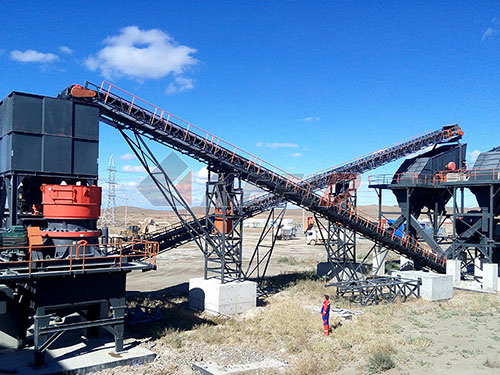
3.Specialty Products:
These serve niche markets with strict specifications.
An informed evaluationof any supplierin this industrymust look beyondthe product catalogto several critical factors:
1.Quality Assurance&Certifications:
Reputable operationshold certificationslike ISO9001(for quality management)and ISO14001(for environmental management).They provideconsistentproduct qualitybackedby detailedCertificatesof Analysis(CoAs)that specifychemical compositionparticle sizedistributionbulk densityand other key parameters
2.Logistics&Supply Chain Capability:
The abilityto reliablydeliverbulk quantitiesis paramount.This requires significant infrastructureincluding private rail sidingsbarge loadingfacilitieson navigable waterwaysor proximityto major highwaysThe choiceof transport(shipbargerailortruck)dramaticallyaffects costandefficiency
3.Technical&R&D Support:
Leading companiesdo not just sell products;they provide solutions.They employ geologistsmetallurgistsand chemistswho can offer technical supporthelping customersoptimizetheir processesby selectingthe right gradeof limestoneor limefor their specific application
4.Sustainability&Environmental Stewardship:
Modern operationsare increasinglyjudgedon their environmental performance.This includes:
A “Limestone Mining Factories Catalog”is therefore far more thana static listof suppliersIt representsa dynamicglobalindustrythat formsa critical backbonefor modern civilizationprovidingthe essentialmaterialsfor constructionenvironmental protectionagricultureand countlessindustrial processesUnderstandingthis industryrequiresa holisticview that encompassesgeologymining engineeringprocess technologyproduct scienceandsustainablemanagementWhen sourcinglimestoneprocurersmust engagewith supplierswho demonstratenot onlya comprehensiveproduct portfoliobut alsoa commitmentto qualityreliabilitytechnical expertiseandsocial responsibilityThis deeperunderstandingis what trulyempowerseffective decision-makingin this fundamental sector
Lorem ipsum dolor sit amet, consectetur adipisicing elit. Consectetur sequi saepe ut sunt eveniet perferendis excepturi, iste obcaecati. Qui tempore hic sed quia soluta obcaecati vel.