Limestone Mining: Methods, Applications, and Industry Practices
Introduction
Limestone, a sedimentary rock composed primarily of the mineral calcite (CaCO3), is one of the most versatile and widely used natural resources on the planet. Its formation over millions of years through the accumulation of shell, coral, algal, and fecal debris in marine environments has resulted in vast deposits across the globe. The extraction of this fundamental material, known as limestone mining, is a critical industry that supports countless sectors of the modern economy, from construction and agriculture to steel manufacturing and environmental protection. This article provides a comprehensive overview of limestone mining, detailing its geological context, predominant extraction methods, processing techniques, diverse applications, and the essential environmental considerations that govern contemporary operations.
Geological Formation and Deposit Characteristics
Understanding limestone mining begins with an appreciation of its geological origins. Limestone forms in clear, warm, shallow marine waters where organisms capable of forming calcite shells and skeletons thrive. Upon death, these skeletal remains accumulate on the seafloor, creating extensive beds of carbonate sediment. Over geological time, these layers are buried and compacted by overlying sediments, with the calcium carbonate recrystallizing to form the solid rock we know as limestone.
Limestone deposits are not uniform; they vary significantly in chemical purity, physical structure, and color. High-purity limestone (>95% CaCO3) is prized for chemical and industrial uses, while lower-grade stone is perfectly suited for construction aggregate. The physical characteristics—such as hardness, density, and presence of fractures—are heavily influenced by the rock’s porosity and cementation. These variations directly influence the selection of an appropriate mining method.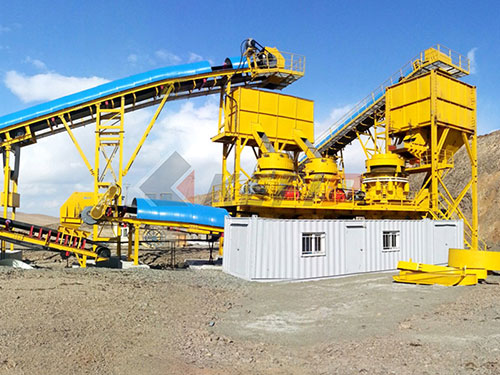
Predominant Mining Methods
The choice of mining technique is dictated by the geology of the deposit, its depth, thickness, quality, and proximity to markets. The two primary methods are quarrying (for near-surface deposits) and underground mining (for deeper deposits).
1. Quarrying
The vast majority of limestone is extracted from open-pit quarries. This method is economically efficient when the valuable deposit is located near the surface.
- Site Preparation and Overburden Removal: The initial phase involves clearing vegetation and topsoil. The layer of earth and non-valuable rock covering the limestone bed, known as overburden, is then drilled, blasted (if necessary), and removed using heavy earth-moving equipment like bulldozers and excavators.
- Drilling and Blasting: Once the limestone bedrock is exposed,a carefully engineered pattern of holes is drilled into the rock face. These holes are loaded with controlled amounts of explosives. The blasting operation is designed to fragment the massive limestone into manageable pieces without causing excessive ground vibration or flyrock.
- Loading and Hauling: The broken limestone fragments, called “shot rock,” are loaded onto heavy-duty dump trucks using front-end loaders or hydraulic shovels. These trucks transport the raw material from the quarry pit to a primary crusher for processing.
2. Underground Mining
When surface quarrying becomes impractical due to depth,sensitive environmental surroundings (e.g., urban areas), or land-use conflicts,the industry turns to underground mining.This method minimizes surface disturbance but involves higher operational costsandcomplex engineering.
- Room-and-Pillar Mining: This is themost common underground method forlimestone.A seriesof”rooms”are excavated fromthe deposit,and large pillarsofunminedlimestoneare leftin placeto supporttheoverlying roof.This createsa grid-like patternunderground.The size oftheroomsandpillarsis meticulously calculatedbasedon roof stabilityand rock mechanics.
- Drift Mining: This methodis employedwhenlimestoneis accessedviaa horizontal tunnel(drift) driveninto themountain sideor hillside wherethe depositoutcrops.It avoids then need fora vertical shaftand isoften less complexthan room-and-pillaroperations indeep-lying deposits.
Processing: From Raw Stone to Refined Product
After extraction,the run-of-mine (ROM)limestonemust beprocessedto meet specific market specifications.Theprocessing circuittypically involves several stagesofsize reductionand classification.
- Primary Crushing: Large jaw or gyratory crushers located near themine site reduce large bouldersdownto pieces roughly 15-20 cm(6-8 inches) indiameter.
- Secondaryand Tertiary Crushing: Cone crushersor impact crushersfurther reducethe materialto smaller sizes,frequently producingaggregateslike crushed stoneor road base.
- Screening: The crushedmaterialis passedthroughvibrating screenswith specific mesh sizesto sortit into different productgrades.Oversize materialmay be sentbackto acrusherfor further reduction.
- Washingand Beneficiation: For certain applications,the crushedstoneis washedin log washersor screw classifiers to remove clay,dirt,and other fine impurities.This stepiscrucialfor producinghigh-quality concrete aggregate.
- Grinding (for Industrial Uses): For agricultural limeor chemicalapplications,the crushedlimestonemust be groundinto afine powder.Thisis donein ball millsor vertical roller mills.The resultingpowdercan be further classifiedby particlesize dependingon its end use.
Diverse Applications: The Ubiquityof Limestone
The utilityof limestonespansacross nearly everymajor industry,making it abackboneofthe global economy.Its applications canbe broadly categorizedas follows:
- ConstructionAggregate: Crushedstoneistheprimaryuseoflimestone.It formsthe foundationfor roads,buildings,and bridgesas base material,andisthekey inert filler inconcreteandasphalt.
- CementManufacturing: Thisisthe second-largest application.Limestoneistheprincipalrawmaterialinthe productionof Portland cement.When heatedinalime kilnwith other materialslike clayand shaleit undergoesachemical transformationtocreate clinker,themain componentof cement.
- SteelProduction: Limestoneis usedasafluxin blast furnaces.It reactswith impuritiesintheimon ore(silica,silicates)to form slag,a liquidwaste productthat floatsontop ofthe molten ironand canbe easily removed.This purifies theiron before itis convertedtosteel.
- Chemicaland IndustrialUses: High-puritylimestones calcined(heated)toproduce quicklime(CaO),which isthen hydratedtoproduce hydratedlime(Ca(OH)₂).These productsare usedin flue gas desulfurizationat coal-fired power plants,pH adjustmentin water treatment,pulpand paperproduction,and numerouschemical processes.
- Agriculture: Crushedagriculturallimestoneisdirectly appliedto soilsto neutralize acidity(raise pH).Thisimproves nutrient availabilityfor crops,promotesmicrobial activity,and enhancessoil structure.
- Other Uses: Dimensionstone(cutinto slabsfortile,countertops,and building veneer),fillerin productslikepaint,rubber,and plastics,poultry grit,and aningredientin glassmanufacturing.
Environmental Considerationsand Sustainable Practices
Modernlimestoneminingoperateswithina stringentframeworkofenvironmental regulationsandsocial responsibility.Best practicesinclude:
- EnvironmentalImpact Assessments(EIAs): Conductedprior to anynewminingoperation,EIAs identifypotential impactson water quality,biodiversity,and local communitiesand develop mitigation plansfromthe outset.
- Water Management: Mines implement systemsfortreatingsediment-laden runoffwaterfrompit dewateringandsurface areasbefore dischargingitto local waterways.Recyclingwaterwithin processingplantsminimizesfreshwater consumption.
- Dust Control: Water spraysonsite roads,dust suppression systemsat transfer points,crushers,and screenshelp controlparticulate matter emissions.Enclosed conveyorsandsheltersare also employedwhere feasible.
- Noiseand Vibration Monitoring: Blasting operationsare carefully monitoredto ensurevibration levelsremain within regulatory limitsprotecting nearby structures.Noise mitigation measuresinclude sound barriersaround processingequipment.
- Biodiversityand ReclamationProgressive reclamation—restoring mined-out areasto beneficial use—isan integral partofthe mine lifecycle.Topsoil salvagedduring site preparationis respreadover graded slopes,followedby replantingwith native vegetation.The final land usecan rangefromwetlandsandrecreational areasto commercial developmentor agricultural land,makingthe post-mining landscapeoften more diverseandeconomically valuablethan before operations began.Conclusion**
Limestoneminingisa sophisticated,vital industrythat extractsaresource foundationaltomodern civilization.Fromthe careful planningofa quarrylayouttothe complex chemistryoflime production,the processdemandsahigh degreeofengineering expertiseandscientific understanding.As global demandfor infrastructureconstructionsteeland environmental technologiescontinues togrowso too willtheneed forthis essentialrock.Contemporaryminingoperationshave evolvedsignificantlyembracingtechnological advancementsandsustainablepracticesnot merelytocomply with regulationsbuttobecomelong-term stewards oftheland they operate on ensuringthatthis ancientrock continuestoservefuturegenerations effectivelyand responsibly
