A Comprehensive Guide to the Core Components of a Stone Crusher
Stone crushers are the workhorses of the mining, quarrying, and aggregate industries. Their primary function is to reduce large rocks and ores into smaller, more manageable sizes for use in construction, road building, and other applications. While the fundamental principle of crushing—applying mechanical force to overcome internal cohesion—remains constant, the machinery employed is a complex assembly of interconnected components. Understanding these components is crucial for operators, maintenance personnel, and engineers to ensure optimal performance, efficiency, and longevity of the equipment. This article provides a detailed examination of the key components that constitute a typical stone crusher, focusing primarily on jaw crushers and cone crushers as the most common types.
I. The Framework: Base Frame and Structure
The base frame is the foundational skeleton of the stone crusher. Typically constructed from high-strength steel plates and profiles, it serves several critical functions:
- Structural Support: It bears the immense weight of all other components, including the heavy crushing chambers, rotors, and eccentrics.
- Alignment and Stability: The frame ensures that all moving parts remain in precise alignment under dynamic loads and vibrations. Proper alignment is essential to prevent premature wear and catastrophic failure.
- Vibration Damping: Modern crusher frames are often designed with integral vibration dampers or are mounted on isolated foundations to minimize the transmission of destructive vibrations to surrounding structures.
The integrity of the base frame is non-negotiable; any deformation or fatigue cracking can lead to misalignment across the entire system.
II. The Crushing Chamber: The Heart of Reduction
The crushing chamber is where the actual size reduction takes place. Its geometry and the components within it define the crusher’s type (e.g., jaw, cone, impactor) and its crushing action (compression, impact, attrition). Key elements within this chamber include: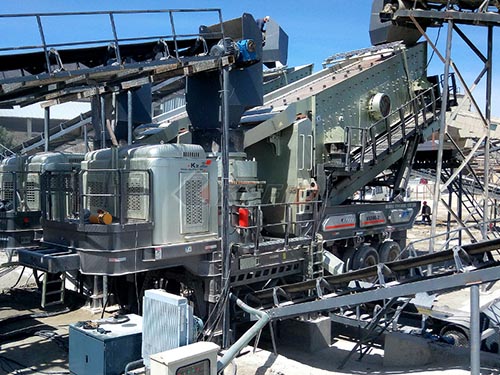
1. Fixed & Movable Jaw Plates (in Jaw Crushers):
A jaw crusher utilizes two vertical jaws: one is stationary (fixed jaw), while the other moves back and forth (swing jaw). The rock is fed into the top of the chamber and is crushed by the compressive force generated as the movable jaw presses it against the fixed jaw. The liners attached to these jaws are called jaw plates or cheek plates.
2. Mantle & Concave (in Cone Crushers):
In a cone crusher, the crushing chamber is formed by a mantle, which gyrates within a stationary concave (or bowl liner). The eccentric rotation of the mantle creates a progressively narrower gap towards the bottom of the chamber. As rock descends by gravity, it is subjected to continuous compression between the mantle and concave until it discharges at the desired size from the bottom.
3. Rotor & Blow Bars (in Impact Crushers):
Impact crushers operate on brute force impact. A high-speed rotor fitted with blow bars (hammers) hurls incoming rock against impact aprons or breaker plates lining the chamber. This action shatters the rock along its natural fracture lines.
III. The Drive System: Transmitting Power
The drive system converts electrical energy from a motor into mechanical motion for crushing.
- Electric Motor: Provides rotational power.
- V-Belt Drive/Pulley System: Connects motor to crusher’s input shaft.
- Flywheel: A crucial component that stores rotational energy during idle phases of cycle & releases during crushing stroke ensuring smooth operation & consistent power delivery.
- Eccentric Assembly: In jaw & cone crushers this assembly converts rotary motion into oscillating/gyratory motion required for crushing action.
- Eccentric Shaft/Bushing: An offset shaft/bushing causes gyratory movement when rotated.
- Pitman: In jaw crushers pitman acts as connecting rod transmitting force from eccentric shaft directly onto swing jaw itself.
IV.Liners,Wear Parts Protecting Vital Components
Given extreme abrasiveness processed materials wear parts represent both operational necessity significant ongoing cost center.Critical wear components include:
- Jaw Plates/Mantle/Concave/Blow Bars: These directly contact feed material hence experience most rapid wear.They manufactured from manganese steel alloys renowned their work-hardening property-becoming harder under impact thus extending service life significantly.Regular inspection timely replacement essential maintaining product quality throughput rates avoiding damage underlying structures due worn-out liners failing protect them properly anymore once too thin broken apart completely exposing base metal beneath which would then be ground away quickly causing catastrophic failure if left unchecked long enough period time without intervention scheduled maintenance shutdowns planned accordingly based upon monitored wear rates observed historically specific application conditions present site location particular quarry mine etcetera…
V.The Adjustment System: Controlling Product Size
A fundamental requirement for any crusher is control over product size.This achieved through adjustment systems allow operator vary discharge opening setting.Common mechanisms include:
- Toggle Plate & Adjustment Wedge (Jaw Crushers): Position behind swing jaw wedge can be adjusted forward backward change closed-side setting(CSS) at bottom discharge point thereby controlling maximum product size output produced machine during operation cycle after cycle consistently when set correctly maintained properly over time without slipping loosening unexpectedly under load conditions encountered daily basis typical quarry environment harsh though may be sometimes…
- Hydraulic Adjustment (Cone Crushers): Modern cone crushers utilize hydraulic systems adjust CSS quickly precisely often while machine running(“on-the-fly”).This allows real-time compensation for liner wear maintaining consistent product gradation.Hydraulic system also used for clearing chamber in event stall(“tramp release”) providing significant safety operational advantages over mechanical designs older generations equipment still use today many places worldwide despite newer technology available marketplace currently…
VI.The Lubrication System: Ensuring Operational Longevity
Crushers contain numerous bearings gears operating under heavy loads high stress.A robust lubrication system vital prevent overheating premature failure.Typical system includes:
- Oil pump
- Filters(remove contaminants)
- Cooler(dissipate heat generated friction)
- Network pipes hoses delivering oil critical points like main eccentric bearings etc…
Proper maintenance-lubricant analysis filter changes-is essential predicting preventing potential bearing failures could otherwise lead extensive downtime costly repairs if not caught early enough stage progression towards complete seizure eventually occurring inevitably without intervention scheduled appropriately timed intervals recommended manufacturer’s guidelines followed strictly adhered always best practice industry standard worldwide accepted universally among professionals field aggregate production mining sectors alike…
VII.Safety & Protective Devices
Given immense forces involved stone crushing safety paramount.Modern machines incorporate multiple protective devices:
- Safety Shear Pin/Toggle Plate: Designed fail overload situation(e.g., uncrushable “tramp” metal enters chamber) protecting rest drivetrain major damage resulting therefrom potentially saving thousands dollars repair costs associated such events occurring unexpectedly during normal operations routine basis sometimes despite best efforts prevent them entirely through pre-screening measures taken upstream process flow beforehand ideally speaking…
- Guards: Physical barriers around moving parts like belts drives preventing accidental contact personnel working nearby area where machine located onsite facility quarry plant etcetera…
- Automated Control Systems: Monitor parameters like power draw pressure temperature can automatically adjust feed rate or trigger alarms shutdowns abnormal conditions detected ensuring both equipment personnel safety maintained highest possible level achievable with current state-of-art technology available today marketplace globally…
Conclusion
A stone crusher is far more than a simple monolithic machine; it is a sophisticated synergy of structural, mechanical, and hydraulic systems. Each component—fromthe massive base frame to smallest wear part-plays an integral role in transforming raw blasted rock into valuable construction aggregate.Appreciation understanding these individual parts their functions interrelationships enables more efficient operation proactive maintenance strategic planning ultimately leading higher productivity lower operating costs longer equipment life successful sustainable aggregate production operation overall whether large-scale multinational corporation small local family-run quarry business alike benefit greatly from this knowledge applied diligently day-to-day activities involved running such enterprise profitably responsibly future generations come enjoy built environment we create together using materials processed through these remarkable machines known collectively as “stone crushers”.
