
In the modern aggregates industry, efficiency, safety, environmental stewardship, and product consistency are paramount. An ISO-certified stone quarry crushing plant represents the pinnacle of this pursuit, embodying a systematic approach to design, operation, and management that transcends basic functionality. This article provides a detailed technical specification of such a plant, elucidating the standards, components, processes, and management systems that define it.
ISO (International Organization for Standardization) certification is not merely a badge; it is an integrated framework. For a crushing plant, key standards include:
A plant built and operated to these specifications is engineered for lifecycle performance, regulatory compliance, and sustainable profitability.
An ISO-certified plant is designed from the ground up with standardization, measurability, and continuous improvement in mind.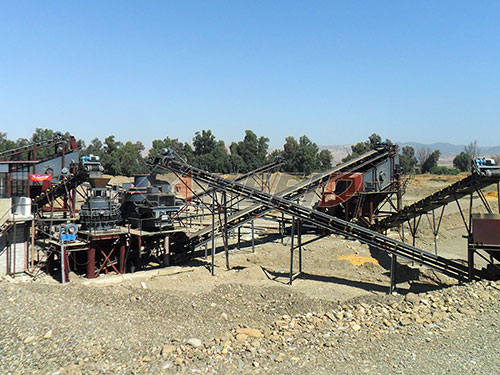
A. Design Capacity and Feed Material: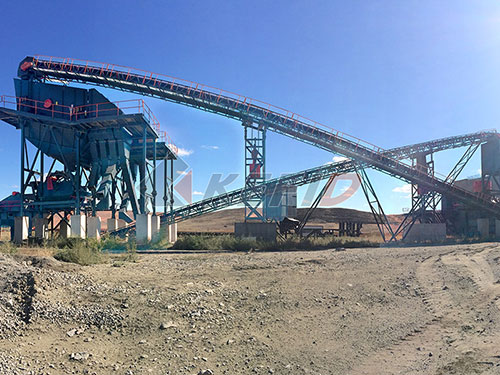
B. Plant Layout & Flow Diagram (Process Flow):
The layout follows a logical sequence to minimize rehandle distance, optimize energy use, and ensure safe access for maintenance.
A. Crushers:
B.Screens:
C.Conveyors:
**D.Dust Suppression Control System NFPA-compliant dry fog systems atomized spray nozzles at transfer points crusher inlets outlets complete baghouse filtration units venting primary secondary crushers
*E.Electrical System Automation:
Power Distribution: MV/LV switchgear transformers soft starters variable frequency drives VFDs for energy optimization
Control System:* Centralized PLC Siemens Allen-Bradley SCADA system providing:
Real-time monitoring all motor currents temperatures belt speeds bin levels
Automated start-stop sequences interlocks prevent damage
Production data logging tonnage per product energy consumption per ton
Remote diagnostics alarm management
An ISO9001-certified plant mandates rigorous continuous quality assurance:
A.Product Gradation Shape: On-line particle size analysis PSI systems periodic manual sieve analysis Los Angeles Abrasion LA value Flakiness Index tests ensure adherence ASTM C33 AASHTO standards
Environmental Controls ISO14001:
Dust Emission Monitoring Continuous opacity monitors periodic stack testing
Noise Mapping Sound pressure levels at boundary mitigated acoustic enclosures barriers
Water Management Closed-loop water recycling systems siltation ponds oil-water separators
Safety engineered into design:
Physical Guards: Fixed guarding all rotating parts nip points
Access Maintenance: Platform walkways handrails ladders designed OSHA standards
Lockout Tagout LOTO: Isolations points every motor drive
Emergency Stops: Strategically located pull cords buttons
Predictive Preventive Maintenance: Vibration analysis thermography oil analysis scheduled lubrication parts replacement based on operating hours not breakdowns
The machinery is only part specification true value lies integrated documented system:
Process Documentation: Clear work instructions SOPs every task from startup shutdown crusher mantle change
Record Keeping: Meticulous logs maintenance activities production data quality test results training records
Risk Assessment: Regular HIRA Hazard Identification Risk Assessment JSA Job Safety Analysis
Internal Audits Management Reviews: Systematic checks conformance planned corrective actions preventive actions CAPA
Training Competence: Certified training programs operators electricians mechanics emphasizing competency over experience alone
Conclusion
An ISO-certified stone quarry crushing plant therefore represents holistic engineered system far exceeds sum its mechanical parts It is designed deliver precise consistent aggregate products within framework maximizes operational uptime ensures safety personnel minimizes environmental footprint Its specifications are living documents underpinned by culture continuous improvement data-driven decision making In competitive market where sustainability traceability becoming increasingly important such plant is not just specification but strategic asset offering resilience reliability demonstrable commitment excellence every facet operation
Lorem ipsum dolor sit amet, consectetur adipisicing elit. Consectetur sequi saepe ut sunt eveniet perferendis excepturi, iste obcaecati. Qui tempore hic sed quia soluta obcaecati vel.