ISO-Certified Stone Quarry Crushing Plants: The Cornerstone of Affordable, Sustainable, and High-Quality Aggregate Production
In the global construction and infrastructure development sectors, the demand for high-quality aggregates—crushed stone, sand, and gravel—is insatiable. At the heart of meeting this demand lies the stone quarry crushing plant. However, not all crushing plants are created equal. The integration of ISO certification into these operations transforms them from simple processing units into models of efficiency, reliability, and cost-effectiveness. An ISO-certified stone quarry crushing plant is not merely an expense; it is a strategic investment that makes high-quality aggregate production both affordable and sustainable in the long term.
Understanding the ISO Framework in Quarry Operations
ISO (International Organization for Standardization) certifications are globally recognized benchmarks for quality, safety, and environmental management. For a crushing plant, the most relevant certifications include:
- ISO 9001: Quality Management Systems (QMS): This is the cornerstone. It ensures that every process—from blast planning and primary blasting to secondary/tertiary crushing, screening, and final load-out—is documented, controlled, and continuously improved. It guarantees consistency in product gradation, shape, and cleanliness.
- ISO 14001: Environmental Management Systems (EMS): Critical for modern quarries, this standard mandates systematic control of environmental aspects like dust emissions, noise pollution, water usage/recycling, biodiversity protection, and site rehabilitation.
- ISO 45001: Occupational Health and Safety Management: This focuses on creating a safe working environment by proactively identifying hazards (e.g., dust inhalation, machinery accidents, noise-induced hearing loss) and implementing controls to minimize risk.
When a crushing plant is certified under these standards, it signals a commitment to operational excellence that transcends basic functionality.
Deconstructing “Affordability”: Beyond Initial Capital Cost
The term “affordable” in heavy industry is often misconstrued as “cheapest upfront cost.” For a quarry operator or investor, true affordability is measured through Life Cycle Cost (LCC) and Total Cost of Ownership (TCO). An ISO-certified plant is engineered to optimize these metrics through several key mechanisms:
1. Enhanced Operational Efficiency and Reduced Waste:
An ISO 9001-compliant plant operates on principles of process optimization. Through precise calibration of crushers (jaw, cone, impact), screens, and conveyors based on continuous data monitoring: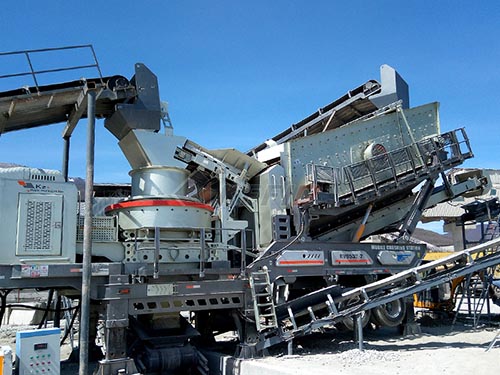
- Yield Optimization: Maximizes the production of saleable products from each ton of raw feedstone.
- Energy Efficiency: Well-calibrated equipment runs at optimal load reduces specific energy consumption per ton of output.
- Minimized Downtime: Predictive maintenance schedules (driven by data rather than reaction) prevent catastrophic equipment failures. Planned maintenance during non-peak hours is far less costly than unplanned breakdowns during high-demand periods.
2. Uncompromising Product Quality & Market Premium:
Consistency is king in aggregates. Construction specifications for concrete mix designs or road base layers are stringent.
- An ISO-certified QMS ensures that every batch meets defined particle size distribution (gradation), cubical shape (for strength), and low levels of deleterious materials.
- This consistent quality reduces rejection rates by clients eliminates costly reprocessing commands a premium price in the market enhances customer loyalty making the business model more resilient profitable.
3. Risk Mitigation & Regulatory Compliance:
The quarrying industry faces significant regulatory environmental risks.
- ISO 14001 provides a framework to manage environmental liabilities systematically. Effective dust suppression water management plans prevent fines work stoppages from regulatory bodies.
- ISO 45001 drastically reduces the frequency severity of workplace accidents leading to lower insurance premiums avoiding the immense human financial costs associated with serious incidents.
The cost savings from avoided litigation fines project delays are substantial directly contributing to long-term affordability.
4. Sustainability Resource Stewardship:
Modern infrastructure projects increasingly require sustainably sourced materials with verified environmental credentials.
- An ISO-certified plant can track document its environmental performance enabling it to supply “green” projects secure tenders with sustainability criteria.
- Efficient processes mean less waste more product from same resource base extending quarry life deferring capital-intensive site relocation.
Key Components of an Affordable ISO-Certified Crushing Plant
Designing such a facility requires integrating certification principles into its very blueprint:
- Modular Scalable Design: Allows phased investment capacity expansion as market grows avoiding overcapitalization initially.
- Automation Control Systems: Centralized PLC/SCADA systems provide real-time data on production rates power draw crusher settings enabling operators to make instant adjustments for peak efficiency ensure consistent quality parameters are met automatically logged for audit trails.
- Advanced Dust Suppression Noise Control: Integrated systems like mist cannons enclosed transfer points acoustic covers are not add-ons but core design elements ensuring continuous compliance with environmental limits without interrupting production.
- Material Handling Optimization: Well-designed feeder conveyor systems ensure steady choke-fed crushers which improves efficiency product shape reduces liner wear major cost component.
The Path to Certification Implementation Challenges
Achieving maintaining certification requires commitment:
- Gap Analysis: Assessing current operations against ISO standard requirements.
- Process Documentation: Developing clear Standard Operating Procedures (SOPs) for all activities including emergency response maintenance protocols quality checks
- Training Culture Change: Empowering every employee from plant manager to mechanic with understanding their role within QMS/EMS/Safety systems fostering culture continuous improvement
- Internal Audits Management Review: Regularly checking system effectiveness making strategic decisions based on collected data
Initial implementation requires investment in time consultancy possibly equipment upgrades However this cost is quickly offset by resulting savings revenue enhancements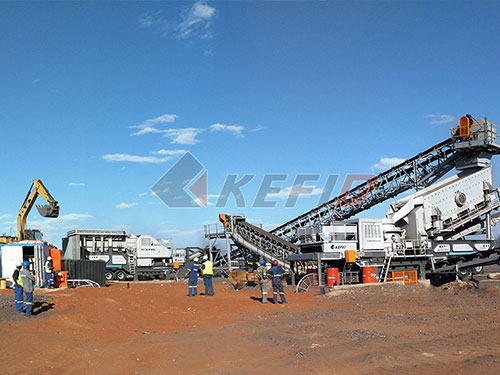
Conclusion: A Strategic Imperative Not Just an Option
In conclusion an ISO-certified stone quarry crushing plant embodies modern industrial philosophy where quality safety environmental responsibility are inseparable from productivity profitability The “affordability” it delivers stems from its ability to produce more saleable high-specification aggregate per unit input—be it energy raw material labor capital—while systematically minimizing operational financial risks
For quarry operators seeking competitive advantage resilience in fluctuating markets investing in building operating an ISO-certified crushing facility is no longer luxury but strategic imperative It transforms aggregate production from commodity-driven price-sensitive business into value-driven partnership with clients regulators community ensuring long-term viability contribution essential built environment Therefore when evaluating affordability look beyond invoice price focus on certified systems guarantee sustainable cost-effective responsible production lifecycle This holistic approach truly defines affordable excellence stone quarry crushing industry
