
In the demanding world of aggregate production, mining, and construction recycling, the reliability, efficiency, and safety of crushing and screening equipment are paramount. For serious operators, ISO certification has become a critical benchmark, signifying a manufacturer’s commitment to internationally recognized standards for quality management (ISO 9001), environmental management (ISO 14001), and occupational health & safety (ISO 45001). While the term “price” is often the first point of inquiry, understanding the cost structure of ISO-certified crushing and screening equipment requires a deep dive into a multifaceted equation where initial purchase price is just one component. This article provides a comprehensive, professional analysis of the pricing landscape for such machinery.
Before dissecting prices, it’s essential to understand what you are paying for when selecting an ISO-certified manufacturer. The certification is not merely a badge; it represents a systemic approach to production.
The price of a crushing and screening setup is never a single number. It is an aggregation of several key elements:
1. Machine Type, Size, and Capacity:
This is the most obvious driver. Prices scale dramatically with capability.
2. Technology and Automation Level:
Modern ISO-certified equipment is defined by its intelligence. These features add cost but deliver substantial ROI.
3. Wear Parts Metallurgy and Design:
The quality of manganese steel in liners blow bars screen meshes significantly influences both initial price long-term operating costs Premium ISO-certified manufacturers invest heavily in R&D developing proprietary alloys like Metso’s MX or CDP’s ceramics which offer dramatically extended service life albeit at higher per-part cost
4 Brand Premium vs Value Brands:
The market features established tier-one ISO-certified brands (e.g., Metso Sandvik Terex MPS Kleemann) known for global support networks extensive R&D commanding corresponding price premiums Emerging often regional manufacturers who also hold ISO certification may offer competitive pricing sometimes 15-30% lower for comparable nominal specifications though potentially with differences in component sourcing or support reach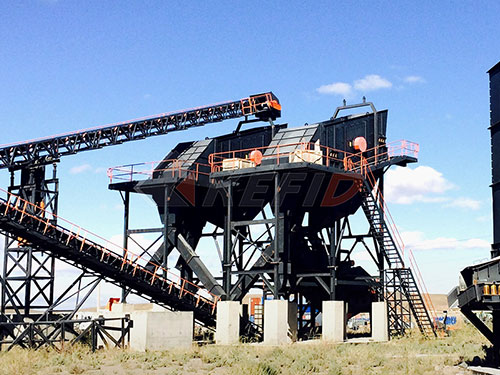
For professional buyers TCO analysis is non-negotiable The initial capital expenditure CAPEX must be evaluated against long-term operating expenditure OPEX
| TCO Factor | Impact on True “Price” |
|---|---|
| Fuel/Power Efficiency | A more expensive but highly efficient electric drive or hybrid system can save hundreds of thousands in fuel over its life |
| Wear Parts Consumption | Equipment with superior chamber designs better kinematics consumes fewer tons per hour saving on both part costs change-out downtime |
| Maintenance Accessibility | Designs that allow easy liner changes lubrication point access reduce labor hours directly lowering OPEX |
| Uptime & Reliability | The core promise certified manufacturing Unplanned downtime can cost thousands per hour making reliability priceless |
| Resale Value | Equipment from top-tier certified brands with full service history consistently commands higher residual values effectively lowering net ownership cost |
A hypothetical scenario illustrates this clearly:
While exact quotes are project-specific general price brackets for new ISO-certified equipment are as follows:
It is crucial to note that global supply chain dynamics raw material steel prices have led to significant list price increases across industry past few years Manufacturers now frequently issue quarterly price adjustments
1 Request Detailed TCO Models from Suppliers Reputable manufacturers will provide simulation tools estimating production costs per ton based on your specific material
2 Consider Certified Pre-Owned CPO Many OEMs offer fully refurbished late-model equipment with warranties at fraction new cost excellent value proposition
3 Evaluate Financing Leasing Options Spreading CAPEX over equipment productive life often makes financial sense preserving capital
4 Scrutinize Package Deals Bundling machines installation commissioning spare parts kits into single contract can yield better overall value than purchasing piecemeal
5 Never Compromise Core Components It may be prudent select premium certified crusher pair it with well-regarded but less expensive peripheral conveyors feeders
In conclusion inquiring about prices for ISO-certified crushing screening equipment initiates complex but essential evaluation The premium associated with certified machinery represents investment built-in quality safety efficiency predictability Ultimately lowest initial price rarely correlates lowest long-term cost astute operators recognize that purchasing such equipment strategic decision impacting operational profitability sustainability years come Therefore most meaningful question shifts from What is price? What total value does this certified asset deliver over its working life? By focusing TCO leveraging strengths systematic manufacturing processes embodied by ISO certification businesses secure not just machine but partner their pursuit reliable productive profitable operations
Lorem ipsum dolor sit amet, consectetur adipisicing elit. Consectetur sequi saepe ut sunt eveniet perferendis excepturi, iste obcaecati. Qui tempore hic sed quia soluta obcaecati vel.