
In the world of aggregate production, the specification for a “250-300 TPH Stone Crushing Plant” represents a significant mid-to-large-scale operation, capable of producing between 250 and 300 metric tons of crushed stone per hour. When prefixed with “ISO Certified Fabricator,” it elevates the discussion from mere equipment supply to a holistic promise of quality, reliability, and systematic excellence. This article delves into the multifaceted role of such a fabricator, exploring the technical complexities, the profound implications of ISO certification, and the integrated processes that transform raw materials into a high-performing aggregate production system.
A stone crushing plant of this capacity is not a single machine but a sophisticated process flow engineered into a stationary or semi-mobile production line. Its core function is to reduce large boulders (often up to 800mm or more in size) into specified aggregate fractions—such as base course, aggregates for concrete, or asphalt chippings. A typical three-stage configuration for this capacity might include:
Ancillary systems are equally critical: heavy-duty apron or vibrating feeders, conveyor belts of varying widths and lengths, hoppers, bins, dust suppression systems (often mandatory), electrical switchgear, and control cabins. The fabricator’s first task is to design this process flow optimally, selecting equipment not just for individual capacity but for harmonious integration where output and product gradation are balanced across all stages.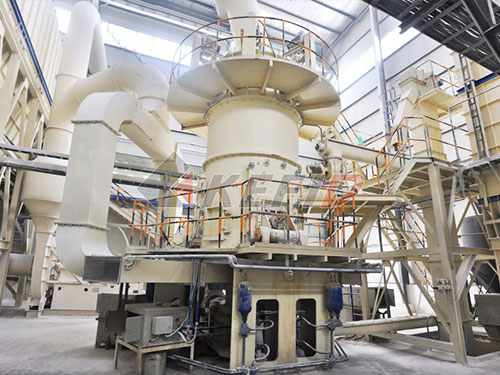
A fabricator in this context is far more than a workshop that cuts and welds steel. They are a specialized engineering firm that acts as the central architect and integrator of the entire plant. Their responsibilities encompass:
ISO (International Organization for Standardization) certification is not an award; it is an audited verification that the fabricator operates within an internationally recognized management system framework. For clients investing millions in capital equipment with an expected lifespan of 15-25 years under punishing conditions—abrasion dust continuous vibration variable weather—this certification provides critical assurance.
Key relevant ISO standards include:
For a 250-300 TPH plant fabricator certification means quality is systemic not sporadic It ensures traceability: if a gearbox fails prematurely its purchase order heat treatment certificates test reports can be retrieved It guarantees consistency whether building one plant or ten
Phase 1: Detailed Engineering & Design
Post-conceptual approval detailed engineering begins using advanced CAD software like AutoCAD Plant 3D SolidWorks Finite Element Analysis FEA simulates stress points on structures under load ensuring no deflection or fatigue failure occurs Process simulation software may be used to validate throughput targets Every component is modeled identifying potential clashes between conveyors structural supports maintenance access well before metal is cut This phase produces General Arrangement GA drawings Piping Instrumentation Diagrams PIDs foundation drawings bill of materials BOM
Phase 2: Procurement & In-House Fabrication
With BOM procurement begins long-lead items like crushers motors gearboxes are ordered Concurrently in-house fabrication commences CNC cutting machines plasma cutters precision rollers robotic welding stations create components Welding procedures are qualified per standards like AWS D1 inspectors conduct visual dye penetrant magnetic particle tests on critical welds Sub-assemblies are trial-fitted ensuring perfect fit-up Modularization philosophy often adopted building large sections e.g., complete screening station with supports walkways pre-installed facilitating faster cheaper site erection
Phase 3: Assembly Integration Testing FAT
Major purchased equipment arrives at fabricator’s yard Here integration begins mounting crusher onto fabricated base connecting feeders aligning drive pulleys Electrical team wires motors sensors to MCC panels Control programmers develop test simulate logic sequences Factory Acceptance Test FAT crucial milestone Client witnesses complete dry-run without material All motors run in sequence conveyor tracking checked emergency stops verified control system functionality demonstrated Any issues resolved in controlled workshop environment not remote quarry FAT sign-off marks readiness for dispatch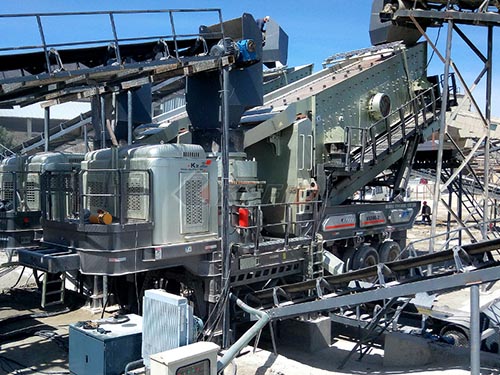
Phase 4: Site Erection Commissioning Support
Fabricator provides detailed erection manuals supervises client’s local contractors ensuring foundation bolt placements alignments precise Post-mechanical completion commissioning team arrives guides step-by-step material introduction fine-tunes crusher settings CSS screen angles feeder rates optimizes PLC parameters trains client operators maintenance staff Hands over comprehensive documentation package including as-built drawings manuals lubrication schedules recommended spare parts list
Contemporary ISO-certified fabricators leverage technology beyond core machinery They integrate IoT sensors predictive maintenance platforms allowing clients monitor bearing temperatures vibration levels remotely Design focus increasingly on sustainability energy efficiency using high-efficiency motors VFD drives reducing overall kWh per ton produced Modular skid-mounted designs gaining popularity enabling faster relocation reconfiguration plants Automation extends beyond basic interlocks incorporating automatic setting adjustment CSS wear compensation real-time product gradation analysis via camera systems link back to control loops
Selecting right fabricator paramount Clients must look beyond glossy brochures evaluate:
An ISO-Certified 250-300 TPH Stone Crushing Plant Fabricator therefore represents pinnacle industrial capability They translate process requirements into durable reliable physical infrastructure Their role blends mechanical civil electrical control engineering within disciplined management system Certification provides objective evidence systematic approach mitigating risk ensuring investment delivers promised return Through expertise spanning design workshop site they become single-point responsible partner transforming quarry operation into model efficiency productivity Ultimately they deliver not just plant but production certainty underpinned by unwavering commitment quality safety continuous improvement—the very principles enshrined within ISO standards themselves
Lorem ipsum dolor sit amet, consectetur adipisicing elit. Consectetur sequi saepe ut sunt eveniet perferendis excepturi, iste obcaecati. Qui tempore hic sed quia soluta obcaecati vel.