A Comprehensive Guide to the Inspection of Iron Ore Crushing Plant Wholesalers
The procurement of a crushing plant for iron ore is a capital-intensive and strategically critical decision for any mining operation. The performance, reliability, and efficiency of this primary processing unit directly influence downstream processes, operational costs, and overall profitability. While manufacturers are often the focus of technical evaluation, the role of the wholesaler—the intermediary that may supply equipment from various manufacturers—is equally vital. A thorough and systematic inspection of an iron ore crushing plant wholesaler is therefore not merely a procedural step, but a fundamental risk mitigation exercise. This article provides a detailed framework for conducting such an inspection, covering technical, commercial, and logistical dimensions.
1. Pre-Inspection Preparation: Laying the Groundwork
A successful inspection begins long before the site visit. Proper preparation ensures that the evaluation is focused, efficient, and capable of uncovering material facts.
1.1. Document Review and Due Diligence:
- Company Credentials: Verify the wholesaler’s business registration, financial stability, and years in operation. A long-standing company with a solid financial background is generally lower risk.
- Industry Reputation: Research their standing in the market. Seek out client testimonials, case studies from similar iron ore projects, and independent reviews. Inquire about their membership in relevant industry associations.
- Manufacturer Partnerships: Confirm the authenticity and depth of their partnerships with original equipment manufacturers (OEMs). Are they authorized distributors or simply resellers? Authorized partners typically have direct access to technical support, genuine spare parts, and factory training.
- Quality Certifications: Check for international quality management system certifications like ISO 9001. This indicates a baseline commitment to standardized processes.
1.2. Defining Technical and Commercial Requirements:
The inspection team must have a clear understanding of the specific project needs:
- Plant Capacity: Required throughput in tonnes per hour (TPH).
- Feed Material Characteristics: The specific properties of the iron ore to be processed (e.g., abrasion index, work index, moisture content, lump size, silica content).
- Final Product Specifications: Desired product size and shape (cubicity) for the beneficiation plant.
- Key Equipment Preferences: Specific types of crushers (e.g., Jaw Crusher for primary, Gyratory Crusher for high-capacity primary, Cone Crusher for secondary/tertiary) based on the ore characteristics.
2. The On-Site Inspection: A Multi-Faceted Evaluation
The physical visit to the wholesaler’s facility is the core of the assessment. It should be structured to evaluate several key areas.
2.1. Warehouse and Inventory Management:
A wholesaler’s ability to support your operation is directly tied to their inventory.
- Spare Parts Availability: Inspect the warehouse for the stock levels of critical wear parts: mantles and concaves for cone crushers, jaw dies, liners, bearings, and shafts. A well-stocked inventory minimizes downtime.
- Parts Identification and Storage: Check if parts are properly labeled, stored in an organized manner (e.g., on shelving systems), and protected from environmental damage (rust, dust). This reflects operational discipline.
- Genuineness of Parts: Randomly select parts and verify their authenticity. Genuine OEM parts have specific markings, packaging, and material certificates. Counterfeit parts can cause catastrophic failures and void warranties.
2.2. Technical Support and Engineering Capabilities:
A wholesaler must be more than a parts supplier; they must be a technical partner.
- In-House Engineering Team: Inquire about the size and expertise of their engineering staff. Can they provide basic plant layout suggestions? Can they perform wear life calculations or flow sheet analysis?
- Technical Documentation: Request sample documentation like installation manuals, maintenance schedules, and parts manuals for the equipment they sell. The quality and clarity of this documentation are indicative of their support level.
- Troubleshooting Expertise: Present a hypothetical operational problem (e.g., premature liner wear, crusher choking) and assess their proposed diagnostic process and solution.
2.3. Workshop Facilities & Rebuild/Repair Capabilities:
The ability to repair major components is a significant value-add.
- Machine Shop Equipment: Inspect the workshop for lathes milling machines boring bars welding equipmentand dynamic balancing machines.The presence of these tools indicates a capacity for in-house refurbishment which can lead to substantial cost savings compared to buying new components
- Quality Control in Repair: Ask about their procedures for rebuilding a shaft or a crusher head.Do they perform non-destructive testing (NDT) like magnetic particle inspection or ultrasonic testing after repair?This is critical for ensuringthe structural integrityof rebuilt parts
- **Cleanlinessand SafetyObserve the general state ofthe workshop.A clean organizedand safe workshopis often correlatedwith high-qualityworkmanship
**2 4 Demonstrationof OperationalEquipmentIf possible requestto seea similarcrushing unitin operationeitherat their facilityor ata nearbycustomer siteObservingthe equipments noise levels vibration dust generationand overall operationcan provide invaluablepractical insights
3 Post CrusherAssembly&CommissioningSupport
The relationshipwiththe wholesalerduringand afterinstallationis crucial
**3 1 Installation&CommissioningSupervisionDetermineif they offeronsite supervisionduringplant assemblyand commissioningThis ensurescorrect installationaccordingto OEM specificationswhich directlyimpactsequipmentlifeand performance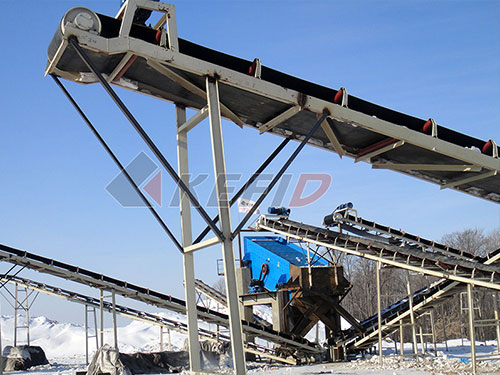
**3 2 Training ProgramsInquireaboutthe trainingthey providefor your maintenanceand operationalstaffComprehensive trainingon safe operationroutine maintenanceand basic troubleshootingis essentialfor maximizingplant uptime
**3 3 After SalesService&Warranty
- ServiceResponse Time What istheir guaranteedresponse timefor breakdowns?Do they havea 24/7 emergencyhotline?
- WarrantyTerms Scrutinizethe warranty documentationclarityIs it limitedto partsonly or doesit coverlabor?What arethe exclusions?
- SupplyChainLogistics Evaluatetheir logisticsnetworkCanthey guaranteeatimely deliveryof criticalspares toyour often remotemine site?
4 Commercial&ContractualConsiderations
The technicalevaluationmust be supportedbya soundcommercial agreement
- PricingStructure Is the pricing transparent?Are there hiddencostsfor freight documentationor customsclearance?
- PaymentTerms The terms shouldbe balanced mitigatingriskfor bothparties
- ContractLiability Clearlydefine responsibilitiesfor delays defectiveequipmentand performanceguarantees
Conclusion
Inspectingan ironore crushingplantwholesaleris a comprehensiveprocess that extendsfar beyondcheckingthe priceof equipmentIt isa holisticassessmentof their capabilityto bea long termreliablepartnerin oneofthe most criticalareasofyour miningoperationA thoroughdue diligenceprocess encompassingpre inspectionresearcha detailedonsite evaluationof technicaland logisticalcapabilitiesanda carefulreviewof post sales support structureswill significantlyde riskthe procurementprocess By selectinga wholesalerthat demonstratesexcellenceacrossall these domains miningcompaniescan securenot justa pieceof machinerybuta foundationfor sustainable efficientand profitableironore production
