
The global demand for iron ore, the primary source of iron for the world’s steel industry, remains a cornerstone of industrial and infrastructural development. To transform raw, mined ore into a commercially viable product suitable for transport and subsequent processing, it must first be reduced in size and classified—a primary function of an iron ore crushing plant. For mining corporations, engineering firms, and equipment traders, the procurement strategy for such critical capital equipment has evolved. Increasingly, many are turning to private label manufacturing offered by specialized original equipment manufacturers (OEMs), primarily located in industrial hubs like China. This model, while offering significant advantages in cost and customization, introduces a complex layer of logistical planning centered on the international shipping of these massive, heavy structures. This article provides a comprehensive examination of this integrated process: from engaging a private label manufacturer to the final delivery of a fully functional iron ore crushing plant.
A private label manufacturer is an OEM that produces equipment to be sold under another company’s brand name. In the context of iron ore crushing plants, this means a specialized factory designs, engineers, fabricates, and assembles the entire crushing system—including primary crushers (like jaw or gyratory crushers), secondary and tertiary crushers (cone or impact crushers), vibrating screens, feeders, and conveyor systems—according to the client’s exact specifications and branding requirements.
Key Motivations for Choosing a Private Label Manufacturer:
The Selection Criteria for a Reliable Manufacturer:
Selecting the right partner is paramount. Due diligence must include:
Understanding what is being shipped is critical to understanding the shipping process itself. A typical stationary or semi-mobile crushing plant is not a single machine but a complex system of integrated components.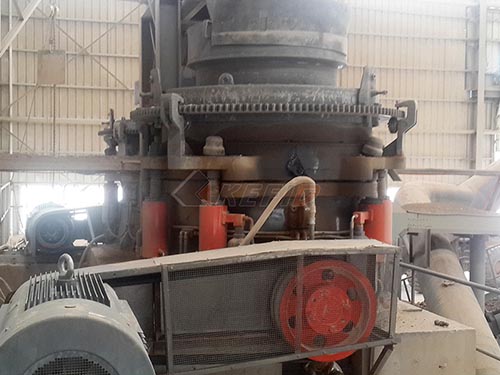
This modular nature dictates that shipping is almost never done as a single piece but as a collection of pre-assembled modules and loose components for final site erection.
Shipping an iron ore crushing plant internationally is arguably one of the most challenging aspects of the project. It requires meticulous planning coordination between the manufacturer,freight forwarder,and the client.
Step 1: Packaging and Preparation for Export
Before leaving the factory,the equipment must be prepared for a potentially long sea voyage.
Step 2: Choosing the Right Mode of Transport & Vessel Type
The dimensions weight,and value ofthe cargo determine th eoptimal shipping method.For all butthe smallest plants this invariably involves sea freight using specialized vessels
Step 3: Route Planning & Logistics Management
Shipping oversized cargois not as simpleaspointing avessel from portAto portBIt involves
Engagingin thissupply chain model carries inherent risks that mustbe proactively managed
1 Quality Control from Afar Risk Unseen manufacturing defects emerge upons startup
Mitigation: Hireathird-party inspection company(SGS BV etc )to conduct staged inspections during fabrication(Fabrication Inspection Final Random Inspection) throughoutthe production process
2 Shipping Damage Risk Modules canbe damaged dueto improper securing rough seasor mishandling during transshipment
Mitigation: Ensurethe manufacturer properly secures all internal parts Use experienced freight forwarders specializingin project cargo Consider insurance that covers “from hookto hook”
3 Project Delays Risk Delaysin manufacturing customs clearanceor shipping can have cascading effectson mine development schedules
Mitigation: Build buffer time intothe project schedule Maintain constant communicationwith all parties Use Incoterms like CFR Cost& Freight)or CIF Cost Insurance& Freight) wherethe manufacturer manages shipping upto acertain point transferring responsibility
4 Hidden Costs Risk Unexpected chargescan arise from port demurrage storage fees heavy-lift surchargesor last-minute route modifications
Mitigation: Obtain detailed freight quotesall-inclusive Conduct thorough due diligenceon all potential routesand port requirements
5 Technical Compatibility Risk The plant arrivesbut does not integrate perfectlywith existing infrastructureor ore characteristics were miscommunicated
Mitigation: Involvethe manufacturer earlyin th ebasic engineering design phase Provide comprehensive ore test data Ensure detailed P&IDs Process& Instrumentation Diagrams)and layout drawingsare approved by all stakeholders before fabrication begins
Procuring an ironorecrushingplant througha privatelabelmanufacturer presentsa compelling value proposition enabling companiesto acquire customized high-capacity equipment atafraction ofthe costof traditional branded solutions Howeverthis approach inextricably links manufacturing successwith logistical excellence Th eshipping phaseis not merelya transportation servicebuta critical project milestone that demands expert planning specialized resourcesand robust risk management By thoroughly vettingthe manufacturing partner engaging seasoned logistics professionalsand anticipatingthe complexitiesof moving oversized cargo across global supply chains mining operatorscan successfully navigate this challenging journey ensuringtheir newcrushingplant arrives onsite intact on timeand readyto power their operations
Lorem ipsum dolor sit amet, consectetur adipisicing elit. Consectetur sequi saepe ut sunt eveniet perferendis excepturi, iste obcaecati. Qui tempore hic sed quia soluta obcaecati vel.