Iron Ore Crushing Plant ODM Manufacturer Samples: A Strategic Guide to Capability Assessment
In the global mining and aggregate industries, the selection of an Original Design Manufacturer (ODM) for an iron ore crushing plant is a capital-intensive and technically critical decision. Unlike standard catalog purchases, an ODM engagement involves partnering with a manufacturer to design, engineer, and produce a plant tailored to specific ore characteristics, capacity requirements, and site conditions. In this high-stakes process, manufacturer samples—encompassing far more than physical product pieces—serve as the most tangible and revealing evidence of an ODM’s competence, quality, and reliability. This article provides a detailed examination of these samples, outlining their types, strategic evaluation criteria, and their pivotal role in de-risking multimillion-dollar investments.
Understanding the ODM Context in Iron Ore Crushing
First, it is crucial to distinguish an ODM from a simple equipment supplier. An iron ore crushing plant ODM assumes responsibility for the entire system’s design integrity. They translate client requirements (feed size, moisture content, abrasion index, desired product size, tons per hour) into a functional flowsheet involving primary crushers (like jaw or gyratory), secondary and tertiary crushers (cone or impact), screens, feeders, conveyors, dust suppression systems, and electrical controls. The ODM’s value lies in optimizing this circuit for maximum availability, yield of saleable product, and lowest cost per ton.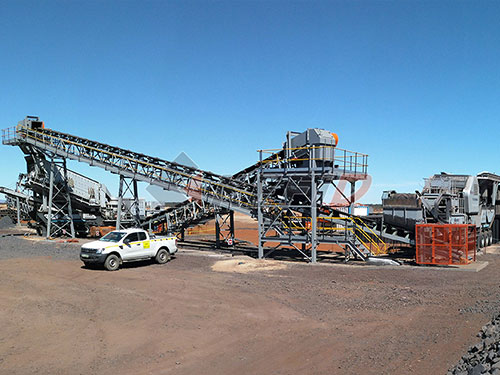
Therefore, evaluating an ODM requires proof of holistic capability. This is where a structured review of “samples” becomes indispensable.
The Spectrum of Critical ODM Samples
A comprehensive assessment moves beyond brochures to inspect concrete demonstrations of capability. These samples can be categorized as follows:
1. Engineering Design Samples (The Intellectual Blueprint):
- Process Flow Diagrams (PFDs) & Piping and Instrumentation Diagrams (P&IDs) from Past Projects: These demonstrate the ODM’s understanding of system integration, mass balance calculations, and control philosophy. Scrutinize them for detail, adherence to international standards (ISO, ASME), and clarity.
- General Arrangement (GA) Drawings & 3D Models: These are samples of their spatial planning and ergonomic design. A well-organized plant layout minimizes conveyor lengths, ensures safe maintenance access, and optimizes structural steel requirements. Request access to a 3D model from a similar project to check for clashes and maintenance accessibility.
- Structural & Foundation Design Calculations: While detailed calculations may be proprietary excerpts or methodologies demonstrating compliance with relevant seismic wind load standards are critical samples of engineering rigor.
2. Component & Manufacturing Quality Samples:
- Crusher Casting Samples: The most iconic physical sample. Reputable ODMs should provide sections or sample castings of key wear parts: mantle and bowl liners for cone crushers jaw plates or blow bars. Key inspection points include:
- Material Certification: Traceable mill certificates confirming grade e.g., high-chromium white iron manganese steel meeting ASTM A128 or equivalent.
- Metallurgical Structure: Macro-etching samples can reveal grain flow consistency absence of shrinkage cavities uniform hardness penetration.
- Dimensional Accuracy & Finishing: Evidence of precise pattern-making machining tolerances on mounting surfaces.
- Fabrication Samples: Photographs or video tours of workshop processes—showing CNC plasma cutting robotic welding post-weld heat treatment shot blasting painting—act as samples of their production environment quality control.
- Sub-supplier Audit Reports: Since ODMs integrate components bearings motors gearboxes dust collectors their qualification process for sub-suppliers is vital Sample summaries of these audits indicate supply chain reliability.
3. Performance & Operational Evidence:
- Commissioning Reports & Performance Test Certificates: These documents from completed plants are the ultimate performance sample They detail achieved capacity product gradation power consumption and mechanical completion sign-off Redacted versions protect client confidentiality while proving capability.
- Wear Life Data: Actual documented wear rates liner life in metric tons processed for specific ore types This data directly informs operational expenditure forecasts.
- Vibration Analysis & Thermographic Reports: Samples of predictive maintenance data from installed plants show the ODM’s commitment to designing for long-term reliability not just initial functionality.
4. Control System & Software Samples:
- Human-Machine Interface Screenshots/Simulators: The plant’s brain A sample of the SCADA HMI interface reveals user-friendliness depth of monitoring pressure temperature amperage alarms historical trending and remote access capabilities.
- Functional Description Documents: These outline the logic for interlocks automatic start sequences crusher overload protection and fault diagnostics.
Strategic Evaluation: Turning Samples into Decisions
Merely collecting these samples is not enough; they must be systematically evaluated:
- Correlation with Your Ore Specifics: The most impressive sample is irrelevant if it’s from a soft hematite project while you process hard abrasive magnetite-taconite Insist on samples data from projects with similar Bond Work Index Abrasion Index moisture clay content
- Benchmarking Against Standards: Do design drawings comply with ISO or other specified standards? Do material certs meet explicit chemical mechanical requirements? Use independent third-party inspection services SGS Bureau Veritas to verify critical component samples if needed
3 Assessing Evolution & Innovation: Compare samples from projects executed five years apart Does the design show evolution? Are newer plants incorporating more modular designs easier liner change-outs advanced automation? This indicates an R&D commitment
4 The “Why” Behind the Sample: Engage the ODM’s engineering team in technical discussions about the samples Why was a particular crusher cavity profile chosen? Why was this screen deck configuration selected? Their ability to explain root design decisions reveals deep expertise versus mere copying
The Risks of Overlooking a Rigorous Sample Review
Neglecting this due diligence carries significant risks:
- Performance Shortfall: A plant that fails to meet guaranteed throughput or product size resulting in perpetual revenue loss
- Exponential OPEX: Poor-quality wear parts that fail prematurely can double or triple expected consumables costs
- Chronic Downtime: Flawed mechanical design or control logic leading to unreliable operation low availability
- Safety Hazards: Inadequate design samples may overlook proper guardings access platforms or emergency stop systems
Conclusion: Beyond Price to Proven Capability
In conclusion selecting an Iron Ore Crushing Plant ODM cannot be driven by capital cost alone The lifecycle cost over 15-20 years is dominated by operational performance maintenance expenses availability The curated portfolio of manufacturer samples—from engineering drawings metallurgical test pieces performance reports—forms an evidential bridge between marketing claims and proven on-ground capability
A prudent buyer will structure their tender process explicitly around the submission and evaluation of these samples treating them as contractual pre-qualification deliverables This disciplined approach shifts the conversation from vague promises to objective measurable evidence It enables the selection of a true partner capable of delivering not just machinery but a optimized mineral processing system engineered for profitability resilience longevity Ultimately in the high-tonnage high-abrasion world iron ore processing these samples are not merely references they are the tangible predictors project success failure demanding rigorous professional scrutiny before any commitment made
