The Iron Ore Crushing Plant: A Critical Nexus in the Global Steel Supply Chain
The iron ore crushing plant stands as a monumental and indispensable facility within the global industrial landscape. It is the critical first stage in transforming raw, mined iron ore into a manufactured product suitable for long-distance shipping and subsequent smelting into steel. This process is not merely about breaking rocks; it is a sophisticated, high-volume operation that integrates mining, materials engineering, logistics, and environmental management. The manufacturing of these plants and their role in preparing ore for shipping constitute a cornerstone of modern infrastructure and industrial production.
1. The Functional Imperative: Why Crushing is Non-Negotiable
Iron ore, as extracted from open-pit or underground mines, is heterogeneous in size, ranging from fine dust to massive boulders exceeding one meter in diameter. This raw material is utterly unsuitable for efficient transportation or blast furnace charging. The primary objectives of crushing are:
- Size Reduction: To liberate the valuable iron-bearing minerals (magnetite or hematite) from the worthless silicate gangue rock.
- Grade Improvement: To enable downstream beneficiation processes (like screening, grinding, and magnetic separation) by creating a uniform feed material.
- Shipping Optimization: To create a granular, free-flowing product that can be transported via conveyor, rail, and ship with maximum density, safety, and efficiency. The ideal shipped product is typically less than 10mm (fines) or lump ore between 6-30mm.
A failure at the crushing stage would cripple the entire downstream value chain, making its reliable operation paramount.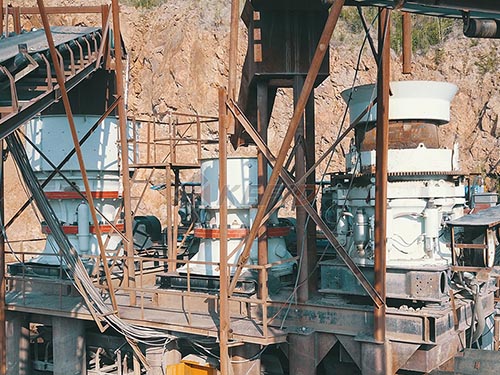
2. Manufacturing the Plant: Engineering for Extreme Duty
The design and manufacturing of an iron ore crushing plant is a bespoke engineering endeavor tailored to the specific characteristics of the ore body (abrasiveness, hardness, moisture content, silica content) and required production capacity (often 2,000 to over 6,000 tonnes per hour).
Core Components & Their Manufacturing:
- Primary Crusher: The workhorse that accepts feed directly from the mine. For extremely hard ores like hematite or magnetite taconites, Gyratory Crushers are preferred for their high capacity and ability to handle slabby feed. Their manufacturing involves massive cast steel housings, a forged alloy steel main shaft, and manganese steel concaves and mantles designed to withstand astronomical abrasive wear.
- Secondary & Tertiary Crushing Stages: These further reduce the ore size. Cone Crushers dominate here due to their precise control over product size and shape. Modern designs feature hydraulic adjustment and clearing systems for automation and protection against tramp metal. Manufacturing focuses on robust roller bearings, advanced chamber designs for optimal inter-particle crushing (improving efficiency), and wear liners made from specialized alloys.
- Screens: Vibrating screens (horizontal, inclined, or banana-type) are manufactured with multiple decks of wire mesh or polyurethane panels to classify material after each crushing stage. Their robust frames are engineered to handle constant vibration under heavy loads.
- Material Handling System: This includes heavy-duty apron feeders under primary crusher dump pockets; miles of conveyor belts with idlers rated for extreme impact; transfer towers; and sophisticated chute work lined with abrasion-resistant steel or ceramic tiles to minimize wear at change points.
- Control & Automation Systems: Modern plants are manufactured with fully integrated PLC/SCADA systems. Sensors monitor power draw, cavity levels (for choke-fed crushers), bearing temperatures, and metal detection. This allows for optimized performance predictive maintenance scheduling.
Manufacturing Philosophy: Durability maintainability are paramount over pure cost minimization Plants are designed with modular components easy access for liner changes extensive walkways service cranes Modular design also allows sections be pre-assembled tested off-site before shipment remote locations reducing on-site construction time risk.
3 The Process Flow: From Run-of-Mine Ore to Shipping Product
A typical three-stage crushing circuit flows follows:
- Stage 1: Primary Crushing Run-of-Mine (ROM) ore dumped into a massive hopper fed via apron feeder primary crusher Gyratory crusher reduces ore approximately -150mm -250mm
- Stage 2: Secondary Crushing Crushed ore conveyed surge pile stockpile ensuring consistent feed secondary circuit Secondary cone crushers receive screened oversize material further reduce -75mm
- Stage 3: Tertiary Crushing For final product sizing tertiary cone crushers arranged closed circuit with screens Material recirculated until passes desired screen aperture This stage crucial achieving strict shipping specifications
- Beneficiation Integration: Many crushing plants integrated with beneficiation circuits After tertiary crushing fine ore (-10mm) may proceed grinding mills magnetic separators flotation cells produce high-grade concentrate Lump ore (+6mm) may bypass direct shipping product
Throughout process dust suppression systems water sprays chemical suppressants enclosed conveyors transfer points essential maintain air quality worker safety comply environmental regulations
4 Shipping Preparation: The Final Manufacturing Step
The output from crushing plant final manufactured product ready global market Preparation involves:
- Stockpiling Blending: Different grades crushed products stockpiled blended using stacker reclaimers achieve consistent chemical composition physical properties meet customer contracts
- Final Sampling Analysis: Automated samplers continuously extract representative samples laboratory analysis Fe content SiO2 Al2O3 P S moisture Certified analysis forms basis pricing
- Load-Out System: Product reclaimed conveyed load-out station typically located port railhead High-speed shiploaders capable loading Panamax Capesize vessels rates exceeding 10k tonnes/hour Rail load-out facilities designed fill entire unit trains minimal stoppage time Key consideration minimizing degradation fines generation during handling as lump premium priced over fines
Logistics planning integral plant operation Silos surge bins ensure continuous operation even when shipping interrupted weather port congestion
5 Technological Trends Future Directions
Manufacturing design iron ore crushing plants evolving rapidly driven demands efficiency sustainability:
- Digitalization Smart Plants: Advanced simulation software used optimize flow sheet design before physical manufacture IoT sensors AI-powered analytics predict failures optimize energy consumption per tonne crushed Digital twins model entire plant performance real-time
- Energy Efficiency: Crushers major energy consumers New drive systems variable frequency drives regenerative capabilities reducing net power consumption Innovations like high-pressure grinding rolls (HPGRs) offer more efficient comminution alternative tertiary cone crushers reducing overall energy footprint
- Sustainability Modularity: Water recycling systems dry processing options developed reduce water consumption arid regions Modular skid-mounted plants allow faster deployment lower capital cost smaller deposits reduced site footprint
- Wear Life Advancements: Research new liner materials composite metallurgies ceramic-metal hybrids dramatically extending component life reducing downtime maintenance costs environmental impact associated frequent liner replacement
Conclusion
The iron ore crushing plant far more than simple collection machinery It sophisticated manufacturing facility where raw geological resource transformed into standardized high-value commodity Its design construction represent pinnacle heavy industrial engineering balancing immense forces abrasive wear operational reliability As gateway global steel industry its continuous innovation—towards greater automation efficiency environmental stewardship—remains vital ensuring stable supply fundamental building block modern civilization From mammoth gyratory crushers precision tertiary cones intricate material handling networks this facility embodies scale precision required power world’s economic engine Its role manufacturing shippable product makes indispensable link connecting remote mine sites blast furnaces worldwide underpinning infrastructure development urbanization across globe
