
In the vast and intricate supply chain of global steel production, the iron ore crushing plant stands as a critical primary processing node. It is the indispensable gateway where raw, mined material is transformed into a consistent, transportable, and furnace-ready commodity. This detailed brochure explores the function, components, technological advancements, and strategic importance of modern iron ore crushing plants, providing a comprehensive overview for industry stakeholders.
Iron ore, as extracted from open-pit or underground mines, is heterogeneous in size—ranging from fine dust to massive boulders exceeding one meter in diameter. This raw material cannot be efficiently transported or fed into downstream processes like grinding or blast furnaces. The primary objective of a crushing plant is to reduce this run-of-mine (ROM) ore to a predictable, manageable size (typically under 30mm) while liberating valuable iron-bearing minerals from waste gangue.
The process is not merely about size reduction; it is the first stage of value addition. Efficient crushing directly impacts:
A modern iron ore crushing plant is a complex system of integrated machinery. The typical configuration follows a multi-stage circuit:
A. Primary Crushing Station:
Located often near the mine pit for reduced haulage distance, this station handles the largest feed. Gyratory crushers are the dominant choice here due to their high capacity, ability to accept very large feed, and robust design. Jaw crushers may be used for smaller operations or harder ores. The output from this stage is usually reduced to 150-250mm.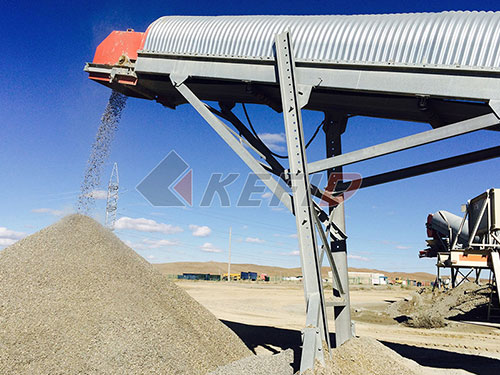
B. Secondary Crushing Stage:
This stage receives primary crushed ore for further reduction. Cone crushers are predominantly used here for their efficiency in intermediate size reduction and ability to produce a well-graded product. High-Pressure Grinding Rolls (HPGR) are increasingly adopted as an energy-efficient alternative or supplement at this stage.
C. Tertiary & Quaternary Crushing Stages:
For plants requiring very fine product sizes (e.g., feed for pelletizing), additional stages using cone crushers in closed circuit with screens are employed. This ensures precise control over the final product top-size.
D. Screening & Material Handling:
Vibrating screens are interspersed throughout the circuit to separate material that has already reached target size (undersize) from material requiring further crushing (oversize). This “closed-circuit” operation is crucial for efficiency, preventing over-crushing and saving energy.
Robust conveyor systems with advanced dust suppression (via water sprays or foam systems) link all components, forming the plant’s circulatory system.
E. Power & Control Center:
The entire plant is governed by a centralized Programmable Logic Controller (PLC)-based system, often with a Supervisory Control and Data Acquisition (SCADA) interface for real-time monitoring and control of motors, feeders, crushers, and conveyors.
The evolution of crushing technology focuses on reliability, energy efficiency, and intelligence.
No two crushing plants are identical; design is dictated by key variables:
An optimized crushing plant is a cornerstone asset:
The iron ore crushing plant is far more than an assemblage of heavy machinery; it is a sophisticated processing hub where raw potential meets engineered precision Its continuous evolution through automation smarter wear management technologies like HPGR reflects broader industrial trends towards sustainability operational excellence within extractive sectors worldwide . As global demand shifts toward premium-grade products requiring finer liberation sizes before beneficiation steps such as magnetic separation flotation etc., role played by these facilities will only grow more critical ensuring stable supply chains essential infrastructure development globally moving forward into future decades ahead . Investing understanding latest technologies best practices within this field remains paramount any organization involved production trade ferrous raw materials today’s competitive market landscape
Lorem ipsum dolor sit amet, consectetur adipisicing elit. Consectetur sequi saepe ut sunt eveniet perferendis excepturi, iste obcaecati. Qui tempore hic sed quia soluta obcaecati vel.