Industrial Stone Quarry Crushing Plant Suppliers: A Comprehensive Guide to Selection and Technology
The industrial stone quarry crushing plant is the beating heart of aggregate, construction, and mining operations worldwide. It is a complex, engineered system designed to transform blasted raw rock into precisely sized and shaped aggregates essential for infrastructure, concrete, asphalt, and railway ballast. The suppliers of these plants are not merely equipment vendors; they are pivotal partners in defining a quarry’s productivity, profitability, long-term viability, and environmental compliance. This detailed guide explores the critical role of these suppliers, the technological spectrum they offer, key selection criteria, and the evolving trends shaping this essential industry.
The Strategic Role of Crushing Plant Suppliers
Suppliers of industrial crushing plants occupy a unique position in the value chain. They provide the capital machinery that determines a quarry’s fundamental capabilities. Their role extends far beyond a simple transaction:
- Engineering & System Integration: Leading suppliers function as turnkey solution providers. They engineer the entire material flow—from primary dump hoppers through multiple crushing stages (primary, secondary, tertiary/quaternary) to final screening and stockpiling. This involves meticulous design to ensure compatibility between crushers, screens, conveyors, and chutes for optimal tonnage and minimal bottlenecks.
- Technology & Innovation Catalysts: They are the primary channel through which technological advancements—such as automation systems, hybrid drives, advanced wear materials, and digital monitoring—reach quarry operators.
- Lifetime Support Partners: The supplier relationship spans decades. It encompasses installation supervision, comprehensive operator training, reliable spare parts supply chains, preventive maintenance programs, and technical support for optimization and troubleshooting.
Core Components and Technological Offerings from Suppliers
A modern crushing plant is a symphony of interconnected machinery. Reputable suppliers offer a portfolio of core components with various technologies suited to different rock types (e.g., granite, limestone, basalt) and product specifications.
1. Primary Crushers: The First Reduction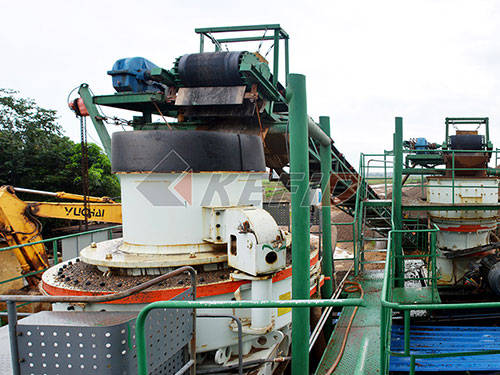
- Jaw Crushers: The workhorse for hard, abrasive materials. Suppliers offer robust designs with deep crushing chambers and high nip angles. Modern versions feature hydraulic adjustment systems (like Sandvik’s “My Jaw Crusher”) for quick CSS changes and reverse crushing action to clear blockages.
- Gyratory Crushers: Preferred for high-capacity primary stations in large quarries (>1000 tph). They offer continuous crushing action with higher efficiency but at greater capital cost and physical footprint.
- Primary Impact Crushers (Hammermills/Sizers): Suitable for softer, less abrasive rock like limestone. They offer excellent reduction ratios in a single stage but generate more fines.
2. Secondary & Tertiary/Quaternary Crushers: Shaping the Product
- Cone Crushers: The dominant technology for secondary/tertiary stages. Key supplier innovations include:
- Hydroset Systems: For remote CSS adjustment under load (e.g., Metso Outotec’s Nordberg HP Series).
- Anti-Spin Devices: Prevent head spin to reduce wear and improve particle shape.
- Automated Control Systems: Like FLSmidth’s “ASRi,” which constantly optimizes crusher performance based on power draw and cavity level.
- Vertical Shaft Impactors (VSI): Essential for producing premium-shaped aggregates (cubicity) and manufactured sand from any abrasive or non-abrasive rock. Advanced rotor designs anvil options allow precise control over product gradation.
3. Screening Equipment: Precision Sizing
Suppliers provide vibrating screens (inclined or horizontal) with multiple deck configurations.
- Banana Screens: Multi-slope decks for high-efficiency separation at high feed rates.
- High-Frequency Screens: For fine material separation (<5mm), crucial for manufactured sand production.
4. Ancillary Systems: The Supporting Framework
A holistic supplier ensures all supporting elements are integrated:
- Feeders: Apron feeders for primary dump pockets; vibrating grizzly feeders (VGF) for scalp-and-feed operations.
- Conveyors & Transfer Points: Engineered belt conveyors with proper loading zones; smart transfer chutes designed to minimize wear dust emission.
- Dust Suppression & Control: Integrated water spray systems foam suppression systems at key transfer points to meet stringent environmental regulations.
Critical Selection Criteria for Choosing a Supplier
Selecting the right supplier is a strategic decision based on far more than just equipment price per ton.
- Application Expertise & Test Data: The supplier must have proven experience with your specific rock type target products (e.g., concrete aggregates vs railway ballast). Request references from sites with similar geology ask if they can conduct full-scale crushability abrasiveness tests on your samples.
- Plant Design Philosophy & Simulation Tools: Evaluate their design process using advanced simulation software like Bruno™ (Metso Outotec) or PlantDesigner® (Sandvik). These tools model material flow predict bottlenecks optimize energy consumption before any metal is cut ensuring the proposed layout will meet your production goals reliably.
- Total Cost of Ownership (TCO): Look beyond initial CAPEX evaluate:
- Energy Efficiency: Compare kW per ton figures; consider hybrid or electric drive options.
- Wear Part Costs Lifecycle: Analyze cost-per-ton for liners blow bars screen meshes availability of durable alloys like ceramic composites.
- Maintenance Accessibility: Designs that allow easy liner changes chamber clearing reduce downtime significantly.
- Automation Digitalization Capabilities: A modern plant must be “smart-ready.” Assess the supplier’s offering in:
- Process Control Systems (PCS): For centralized control sequencing.
- (IoT) Sensors Telemetry:
Condition Monitoring: Vibration temperature sensors on bearings crusher motors predict failures
Performance Tracking: Real-time tracking of CSS power draw throughput
Cloud-Based Analytics Platforms: Like Metso Outotec’s Metrics™ or Sandvik’s My Fleet® which provide operational insights fleet benchmarking data-driven recommendations from anywhere
- After-Sales Support Parts Logistics: Investigate their global/local service network response times parts inventory availability training facilities quality of technical documentation
Emerging Trends Influencing Supplier Offerings
1.Sustainability Decarbonization: Leading suppliers now focus heavily on reducing plant environmental footprint through all-electric plants energy recovery systems noise encapsulation designs water recycling circuits helping quarries achieve net-zero targets comply with stricter regulations
2.Circular Economy Integration: Plants are being designed not just for virgin rock but also to process construction demolition waste CDW recycled concrete asphalt RAP Mobile track-mounted plants often supplied by companies like Kleemann Terex Finlay play key role in decentralized recycling hubs
3.Modularity Flexibility: There is growing demand modular pre-assembled “plug-and-play” plant sections that reduce installation time cost allow easier reconfiguration as market demands pit locations change over time
4.Autonomous Operations Remote Management: Advancements towards fully autonomous crushing circuits controlled remotely from central operation centers reducing personnel exposure hazardous areas improving consistency operation
Conclusion
Choosing an industrial stone quarry crushing plant supplier is one most consequential decisions quarry operator will make It directly impacts operational efficiency product quality profitability sustainability credentials business resilience next 20-30 years Today’s leading suppliers – global giants like Metso Outotec Sandvik FLSmidth Thyssenkrupp as well strong regional specialists – compete not just on equipment robustness but depth engineering expertise digital ecosystem strength commitment partnership throughout asset lifecycle Therefore thorough evaluation process involving detailed site analysis pilot testing TCO modeling assessment future-readiness digital platform essential By partnering with supplier whose technological roadmap aligns long-term strategic vision operators can ensure their crushing plant remains competitive productive cornerstone their business era defined rapid technological change rising environmental expectations
