
Industrial impact crushers represent a cornerstone of modern material processing, serving as the primary or secondary reduction unit in a vast array of industries, from aggregate and mining to recycling and cement. Their fundamental principle—using high-speed impact to fracture materials—belies the immense engineering sophistication, material science, and precision manufacturing required to produce machines capable of withstanding some of the harshest operational environments on earth. The manufacturing of these robust machines is a complex symphony of design, metallurgy, fabrication, and assembly, aimed at achieving an optimal balance of performance, durability, and operational economy.
Before the first piece of steel is cut, the manufacturing process begins with intensive Research & Development (R&D) and design engineering. This phase is critical as it defines the crusher’s performance envelope, service life, and total cost of ownership.
1. Application-Specific Design:
Industrial impact crushers are not one-size-fits-all. Manufacturers design distinct models optimized for specific tasks:
2. Dynamic Simulation and Modeling:
Modern manufacturing relies heavily on advanced software. Finite Element Analysis (FEA) is used to simulate stresses on key components like the rotor discs, main frame, and breaker plates under extreme loads. This virtual testing identifies potential failure points long before physical production begins, allowing engineers to reinforce structures strategically without adding unnecessary weight. Computational Fluid Dynamics (CFD) may also be employed to optimize the internal airflow, which is crucial for managing dust and heat generation while improving material throughput.
3. Rotor Dynamics: The Heart of the Machine
The rotor is the single most critical component in an impact crusher. Its design dictates the crushing efficiency and operational stability.
KE = 1/2 Iω²) to fracture the target material. A heavier rotor spinning at a slower speed delivers high inertia for hard rock, while a lighter, faster rotor is better for medium-hard materials where multi-stage impact is desired.The brutal nature of impact crushing demands materials that can withstand continuous shock loading and severe abrasion.
1. Structural Fabrication:
The main frame and housing are typically constructed from high-strength, low-alloy (HSLA) steel plates. These plates offer an excellent strength-to-weight ratio and superior weldability. Critical stress areas are often reinforced with thicker sections or internal ribbing as identified during FEA.
2. Wear Parts: The Consumable Warriors
The wear parts—hammers/blow bars, impact aprons/breaker plates, and side liners—are where material science is pushed to its limits.
The transformation from design and raw materials into a functional industrial crusher involves several meticulous stages.
1. Cutting and Forming:
CNC (Computer Numerical Control) plasma or oxy-fuel cutting systems are used to cut steel plates with high precision based on digital CAD models. For curved components like housing sections, CNC press brakes or rolling machines form the flat plates into their required shapes.
2. Welding and Assembly:
This is a core competency of any crusher manufacturer.
3. Machining: Ensuring Precision Fit
While much of the crusher is fabricated plate steel; shafts bearing journals rotor fitting surfaces require extreme precision
4 Rotor Assembly Balancing
As mentioned earlier rotor assembly balancing paramount importance process typically involves
5 Painting Final Assembly
After machining components thoroughly cleaned abrasive blasting remove mill scale rust prepared painting High-performance epoxy primers polyurethane topcoats applied often multiple coats specified thickness provide long-lasting corrosion protection even harsh quarry mining environments Final assembly involves mounting motor drives installing safety guards walkways ladders electrical control panel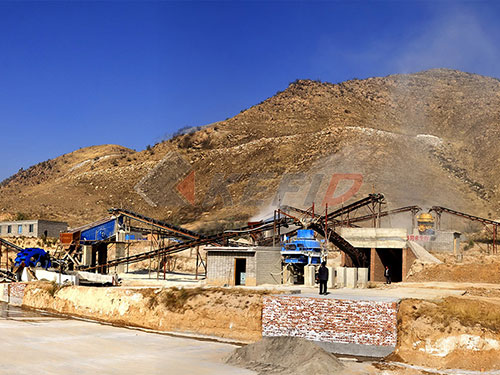
Throughout manufacturing rigorous Quality Control QC protocols followed
Industrial impact crusher manufacturing continues evolve driven demands efficiency automation sustainability Key trends include
Manufacturing industrial impact crusher far simple act metal fabrication highly disciplined integrated process merges advanced engineering sophisticated material science precision craftsmanship end result machine embodies brute force controlled reliable efficient manner Continuous innovation design production techniques ensures these indispensable workhorses global industry will continue become more durable intelligent capable meeting ever-changing demands raw material processing recycling
Lorem ipsum dolor sit amet, consectetur adipisicing elit. Consectetur sequi saepe ut sunt eveniet perferendis excepturi, iste obcaecati. Qui tempore hic sed quia soluta obcaecati vel.