The Global Exporters of Industrial 250-300 TPH Stone Crushing Plants: Capabilities, Technologies, and Market Dynamics
The global construction and mining industries are the bedrock of modern infrastructure development, driving an ever-present demand for high-quality aggregates. At the heart of this supply chain lies the industrial-scale stone crushing plant, with the 250-300 tons per hour (TPH) capacity range representing a critical sweet spot for medium to large quarry operations and major infrastructure projects. The export market for these sophisticated production lines is a competitive and technologically advanced arena, dominated by nations and corporations that combine engineering excellence, robust manufacturing, and deep international project expertise. This article provides a detailed examination of the key exporters, their technological offerings, and the factors shaping this vital industrial sector.
Defining the 250-300 TPH Industrial Crushing Plant
A 250-300 TPH stone crushing plant is not a single machine but a fully integrated processing system designed for continuous, high-volume production. It typically includes:
- Primary Crushing Station: Often a robust jaw crusher or gyratory crusher capable of handling large feed material (up to 800-1000mm).
- Secondary and Tertiary Crushing Stages: Cone crushers or impact crushers for further reduction to desired intermediate sizes.
- Screening Stations: Multiple vibrating screens to classify material into specific product fractions (e.g., 0-5mm sand, 5-10mm, 10-20mm, 20-40mm).
- Material Handling System: A network of conveyors, feeders, and transfer points linking all stages.
- Control & Automation: A central control panel, often with PLC-based automation for optimal coordination, monitoring, and safety.
- Auxiliary Systems: Dust suppression or encapsulation units (baghouse filters), power generation modules, and maintenance platforms.
Plants in this capacity range are engineered for durability, efficiency, and minimal downtime, capable of processing hard stones like granite, basalt, and river gravel into precisely graded aggregates for concrete production, road bases, railway ballast, and other critical applications.
Key Global Exporters: A Regional Analysis
The export landscape is characterized by strong regional players with distinct competitive advantages.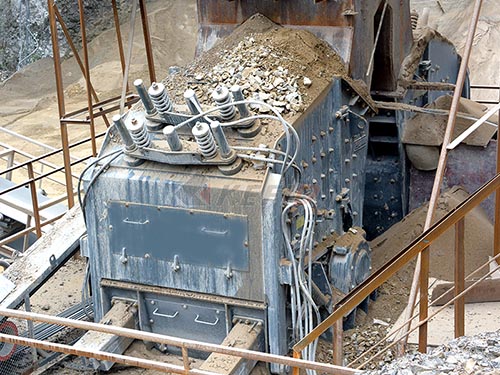
1. China: The Manufacturing Powerhouse
Chinese manufacturers are arguably the most dominant force in volume exports of mid-to-high-capacity crushing plants. Their strength lies in:
- Complete Supply Chain & Cost Competitiveness: A fully integrated manufacturing ecosystem allows for competitive pricing on complete plant packages.
- Rapid Production & Customization: Companies like SBM (Shibang Industry & Technology Group), Liming Heavy Industry (Vanguard Machinery), and Shanghai Dongmeng offer extensive standard model catalogs with fast turnaround on customized designs.
- Technology Leapfrogging: Leading Chinese exporters have moved beyond simple copycat manufacturing. They invest heavily in R&D, developing energy-efficient hydraulic cone crushers, vertical shaft impactors (VSI) for premium-shaped aggregates, and smart control systems compatible with Industry 4.0 concepts.
- Project Financing Support: Often backed by state policy banks like China Exim Bank, Chinese exporters can offer attractive financing packages—a decisive factor for many buyers in developing regions across Africa, Southeast Asia, and South America.
2. Europe: The Benchmark for Engineering & Reliability
European exporters are synonymous with premium quality engineering innovation:
- Technology Leadership: Finnish corporation Metso Outotec leads in smart crushing solutions with its IC™ process control system that optimizes crusher settings in real-time for maximum yield and liner life. German-based Kleemann (Wirtgen Group) excels in advanced diesel-electric hybrid drives and highly efficient EVO series crushers.
- Focus on Total Cost of Ownership (TCO): While capital expenditure is higher than Asian counterparts European brands emphasize lower operating costs through superior energy efficiency wear part longevity (high-quality manganese steel) minimal maintenance requirements
- Sustainability Focus: European designs prioritize environmental compliance featuring advanced noise reduction enclosures highly effective dust collection systems water recycling circuits
Key markets include Western Europe North America Australia regions where stringent environmental regulations operational efficiency paramount
3. North America: Masters of Application-Specific Solutions
US Canadian firms excel tailoring plants specific regional materials project demands
- Heavy-Duty Durability: Companies like Eagle Crusher Company Inc Superior Industries Caterpillar dealer networks design plants rugged conditions found North American mining aggregate industries
- Portable Plant Expertise: While fixed plants exported key strength lies track-mounted portable crushing screening plants within 250-300 TPH range These allow on-site mobility reducing haulage costs ideal large roadwork demolition projects
Export focus often extends neighboring markets Latin America Middle East where similar heavy-duty applications required
4. Emerging Hubs: Turkey India
These nations have carved significant niches global market
- Turkey: Turkish manufacturers such as FABO Company Constmach have gained formidable reputation offering balance between European-grade technology competitive pricing They particularly strong mobile compact concrete batching plant combinations serving growing ready-mix concrete sector globally Their aftersales service network expanding rapidly
India: Leveraging lower labor costs strong domestic steel industry companies Propel Industries Torsa Machines Ltd exporting robust cost-effective solutions primarily price-sensitive markets Africa Southeast Asia South Asia Indian firms increasingly incorporating imported components improve reliability performance
Critical Technological Trends Driving Exports
Modern export competitiveness hinges technological differentiation Key trends include:
- Smart Automation Remote Monitoring: Modern plants feature IoT sensors cloud-based platforms allowing exporters provide remote diagnostics predictive maintenance performance optimization from thousands miles away reducing customer downtime enhancing trust
- Hybrid Energy Solutions: Growing demand plants can switch between grid power diesel generators even incorporate hybrid drives reduce fuel consumption operating costs remote locations unreliable grid power common many import markets
- Modular Plug-and-Play Designs: To reduce onsite installation time complexity risk exporters now design skid-mounted modular plants Pre-assembled wired tested factory shipped containers significantly reduces commissioning time crucial factor international projects tight schedules
- Focus on Final Product Shape Quality: With specifications becoming stricter especially high-grade concrete asphalt premium cubical aggregate production essential Exporters promoting advanced VSIs high-pressure grinding rolls HPGR tertiary stages produce superior end products commanding higher market prices
Challenges Considerations for Importers
Choosing exporter involves careful evaluation beyond initial price tag:
- After-Sales Service Parts Logistics: Availability technical support timely delivery genuine wear spare parts critical consideration Proximity exporter’s service center warehouse major advantage
- Cultural Language Compatibility: Smooth communication during design installation training phases vital Exporters experienced specific regions often better understanding local working conditions regulatory frameworks
- Total Project Scope Responsibility: Buyers must decide between purchasing equipment only versus turnkey solution where exporter handles foundation design civil works erection commissioning Turnkey projects reduce buyer’s risk but require highly competent experienced supplier
Certifications Compliance: Reputable exporters ensure their plants comply international standards CE ISO etc specific environmental safety regulations destination country
Conclusion
The export market industrial 250-300 TPH stone crushing plants dynamic technologically driven sector reflecting broader trends globalization infrastructure development Buyers today have unprecedented choice from cost-effective complete solutions Chinese manufacturers engineering precision European technology heavy-duty application-specific designs North America balanced value propositions emerging players like Turkey Success global exporter this segment no longer just about building durable machinery about delivering integrated performance solution encompassing smart technology flexible financing comprehensive lifecycle support deep understanding end-user’s operational economic environment As demand aggregates continues grow alongside emphasis sustainable efficient production competition among these global exporters will further intensify driving innovation benefiting industry worldwide
