The Strategic Imperative of Importing Quarry Ballast Crushing Equipment: A Guide for Trading Companies
The global construction and infrastructure development sector is a relentless engine of economic growth, fundamentally dependent on a steady supply of high-quality aggregates. At the core of this supply chain lies quarry ballast—the crushed stone that forms the foundational layer for railways, roads, and concrete production. The equipment used to produce this critical material, namely ballast crushing plants, represents a significant niche within heavy machinery trade. For trading companies specializing in the import of quarry ballast crushing equipment, navigating this market requires a deep understanding of technical specifications, global sourcing dynamics, regional demand drivers, and complex logistical and regulatory frameworks. This article provides a comprehensive analysis of this specialized trading sector.
Understanding the Product: More Than Just Crushers
A trading company must first appreciate that “ballast crushing equipment” is rarely a single machine but a sophisticated system designed for specific output. Ballast has strict size and shape specifications (typically 25-65mm for railway ballast, with specific gradation and abrasion resistance standards like LA or MDE). Therefore, the imported solution often involves:
- Primary Crushers: Jaw crushers or gyratory crushers that handle the initial size reduction of blasted quarry rock.
- Secondary and Tertiary Crushers: Cone crushers or impact crushers that further refine the material to the required cubical shape—critical for ballast interlock and stability.
- Screening Equipment: Multi-deck vibrating screens that precisely separate sized fractions, ensuring oversize material is recirculated and fines are removed.
- Ancillary Systems: Conveyors, feeders, dust suppression systems (increasingly mandatory), control cabins, and sometimes washing plants.
Trading companies must be conversant in key performance metrics: throughput capacity (TPH), power requirements, wear part material (e.g., manganese steel quality), automation level (PLC controls), mobility (track-mounted vs. stationary), and adherence to international standards like ISO, CE, or specific regional certifications.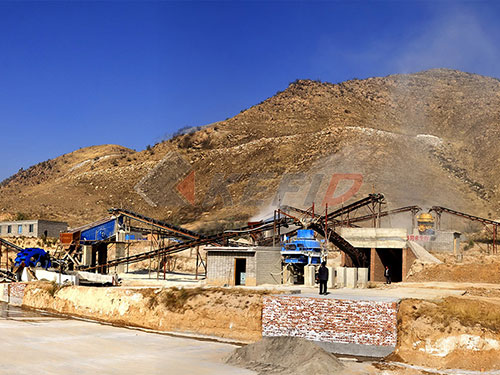
Global Sourcing Landscapes: Key Manufacturing Hubs
Successful import trading hinges on identifying reliable sourcing regions, each with distinct advantages: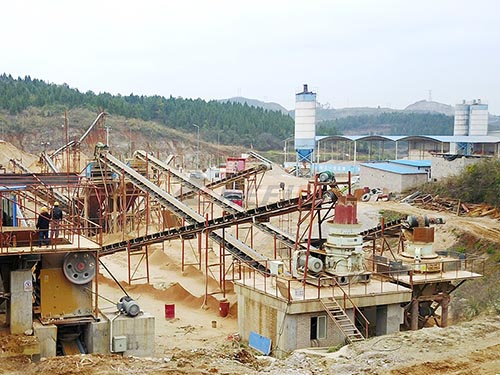
- Europe (Germany, Finland, Sweden): Home to premium brands like Sandvik (Sweden), Metso Outotec (Finland), and Kleemann (Germany). This equipment is characterized by high engineering precision, advanced automation technology (IoT readiness for predictive maintenance), superior energy efficiency, and robust durability. It commands a premium price and is typically targeted at markets with high operational demands and stringent environmental regulations.
- North America (USA): Manufacturers like Eagle Crusher and Terex MPS offer rugged designs suited for high-volume processing. Their technology is often well-adapted for granite or hard abrasive stone common in many global quarries.
- China: The most dynamic and competitive sourcing market. Chinese manufacturers like SBM Machinery, Liming Heavy Industry (LONGPING), and Zhejiang MP Mining Equipment have evolved dramatically. They offer a vast range from cost-effective entry-level models to increasingly sophisticated mid-to-high-tier equipment that challenges Western counterparts on price-performance ratio. Sourcing from China requires rigorous supplier vetting for quality control and intellectual property considerations.
- Turkey & India: Emerging as important secondary hubs offering competitive pricing with improving quality standards.
A trading company’s strategy may involve representing a premium European brand in developing markets or importing competitively priced yet reliable Chinese plants into cost-sensitive regions with growing infrastructure budgets.
Market Analysis: Identifying Demand Drivers
Demand for imported crushing equipment is not uniform; it is generated by specific macroeconomic and sectoral trends:
- Railway Mega-Projects: New railway lines (high-speed or freight corridors) and modernization of existing networks are the most direct drivers. Regions like Southeast Asia (Indonesia’s Trans-Sumatra Railway), Africa (LAPSSET corridor in East Africa), the Middle East (GCC rail networks), and India are hotspots.
- Road Infrastructure Development: National highway expansions require vast quantities of sub-base and base course materials.
- Urbanization & Construction Booms: Demand for concrete aggregates indirectly fuels demand for versatile crushing plants capable of producing multiple product grades.
- Mining Sector Diversification: Quarry owners seeking to move up the value chain from selling raw rock to producing finished graded aggregates invest in advanced crushing circuits.
- Replacement & Modernization Cycles: In mature markets, older plants are replaced with more efficient, environmentally compliant models.
A trading company must conduct granular regional analysis to align its product portfolio with these drivers.
The Value Proposition of an Import Trading Company
Why would a quarry operator buy through an importer/trader rather than directly from the manufacturer? The trader adds critical layers of value:
- Market Knowledge & Localization: Traders understand local regulations, taxation (VAT/GST, import duties), site conditions, climatic challenges, and operator skill levels better than a distant OEM.
- Logistics & Import Management: Handling complex international shipping (break-bulk or containerized), customs clearance at destination ports including HS code classification, inland transportation to site—this expertise is invaluable to end clients.
- After-Sales Support Ecosystem: The most crucial differentiator involves building local partnerships for spare parts inventory management, providing technical training, facilitating warranty claims, connecting clients with service engineers, etc., ensuring minimal downtime—a critical factor in quarry profitability.
- Financial Flexibility & Risk Mitigation: Traders can offer varied payment terms, help navigate currency exchange issues, manage credit risk, provide turnkey solutions including installation supervision etc., reducing transactional friction for buyers.
Critical Challenges & Risk Mitigation
- Currency Fluctuation Risk: Equipment purchases are capital-intensive deals often negotiated months in advance. Hedging strategies are essential
2.Intense Competition: From both other traders as well as direct sales offices set up by large OEMs. Differentiation through superior service , niche market focus ,or exclusive regional distributorships becomes key
3.Technical Compatibility & Compliance: Ensuring imported machinery meets local voltage/frequency standards , environmental norms(noise , dust emissions) ,and safety regulations
4.Geopolitical & Trade Policy Risks: Sudden changes in import tariffs , trade embargoes ,or port disruptions can severely impact business. Diversifying sourcing countries mitigates this risk
5.After-Sales Liability: As the face to customer traders bear responsibility even if manufacturing defect occurs. Strong contracts with clear warranty/service scopes with OEM partners are vital
Future Trends Shaping The Trade
- Sustainability Focus: Demand grows for electric/hybrid drives dust suppression systems noise enclosures water recycling units
- Digitalization Integration: Plants pre-equipped IoT sensors data analytics platforms enabling remote monitoring predictive maintenance become standard expectation
- Modularity Mobility: Growing preference easily transportable quickly deployable modular plants especially emerging markets where projects scattered
- Circular Economy Applications: Equipment capable processing recycled construction demolition waste into secondary aggregates gaining traction environmentally conscious markets
Conclusion
Operating as an import trading company specializing in quarry ballast crushing equipment is far more than transactional arbitrage; it’s about being strategic intermediary bridging global manufacturing excellence with localized application needs. Success demands blend engineering acumen logistical prowess financial savvy deep cultural-market insight. By meticulously selecting right product portfolios building robust after-sales networks staying ahead technological regulatory curves traders can position themselves indispensable partners infrastructure development ecosystem worldwide**. As nations continue invest foundational transport networks role facilitating access efficient reliable crushing technology remains critically important profitable endeavor
