
The global construction and infrastructure sector is perpetually in motion, driven by urbanization, transportation projects, and industrial development. At the foundation of this progress—quite literally—lies quarry ballast. This carefully graded, crushed stone forms the essential bed upon which railway tracks are laid, providing drainage, stability, and load distribution. The production of high-quality ballast is a specialized process, demanding robust and efficient crushing equipment. For many project developers, mining companies, and contractors outside of traditional manufacturing hubs, sourcing this machinery involves navigating the complex landscape of international importation. This article provides a detailed examination of the key considerations, leading manufacturer landscapes, and strategic steps involved in importing quarry ballast crushing equipment.
Before engaging with manufacturers, it is crucial to understand what defines quality ballast and the machinery capable of producing it. Ballast is not merely crushed rock; it must meet strict geometric, physical, and mechanical specifications (e.g., ASTM D448, EN 13450). Key characteristics include:
To achieve these specifications, a crushing circuit is required, typically involving several types of machines working in tandem:
The market for crushing equipment is globalized, with several key regions housing industry leaders and emerging challengers.
1. European Manufacturers: The Benchmark for Engineering and Reliability
European manufacturers are often synonymous with high engineering standards, advanced technology, and exceptional durability.
Key Considerations for Importers: European equipment typically commands a premium price point. However, this is often justified by higher energy efficiency lower wear part consumption superior after-sales support global parts distribution networks
**2 North American Manufacturers: Innovation Versatility
Key Considerations for Importers: North American manufacturers often excel in portable plant design making them ideal for projects requiring mobility or multiple site locations Their focus on safety features operator-friendly designs
**3 Chinese Manufacturers: Competitive Pricing Rapid Market Penetration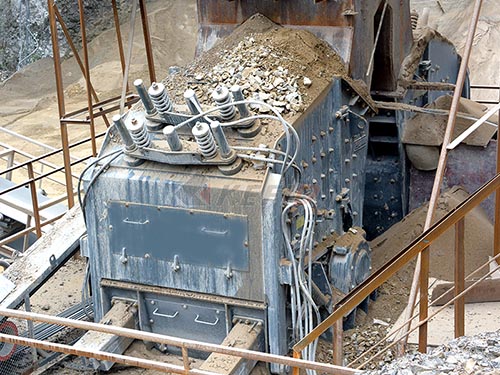
The rise of Chinese heavy machinery manufacturers has significantly altered the global market dynamics
Key Considerations for Importers: The primary advantage is competitive pricing often 30-50% lower than European equivalents However importers must conduct rigorous due diligence on quality control material specifications component sourcing e g bearings hydraulics Availability technical support spare parts local service centers can be variable Warranties shipping terms Incoterms require meticulous review
Importing heavy capital equipment like a crushing plant is a multi-stage process that demands careful planning
1 Pre-Order Due Diligence Technical Evaluation
Define Project Requirements: Determine required capacity final product size feed material hardness mobility needs stationary vs portable
Research Shortlist Manufacturers: Identify 3-5 potential suppliers across different regions based on reputation financial stability service network
Request Proposals Quotations: Provide detailed specifications request comprehensive quotes including FOB CIF prices delivery timelines payment terms
Technical Review: Scrutinize technical drawings component lists e g brand motors bearings Ask for references visit existing installations if possible
Factory Audit Virtual Site Visit: Ideally conduct an audit inspect manufacturing facilities quality control processes A virtual tour video call viable alternative
2 Negotiation Contract Finalization
Price Negotiation: Negotiate not just on machine price but also on spare parts packages commissioning services
Payment Terms: Standard terms include T/T Telegraphic Transfer Letter Credit L/C A common structure 30% down payment 70% against copy Bill Lading sight shipping documents Avoid 100% advance payments
Incoterms: Clearly define responsibilities FOB Free Board means importer responsible freight insurance from port shipment EXW Ex Works means importer responsible everything from factory gate CIF Cost Insurance Freight gives seller more control but less visibility costs Choose based risk control logistics expertise
Warranty Spare Parts: Clarify warranty period scope conditions Agree on initial spare parts list ensure critical components available at commissioning
3 Logistics Shipping Customs Clearance
Select Freight Forwarder: Engage experienced forwarder handles heavy-lift project cargo They manage booking vessel customs documentation destination port handling
Shipping Method: Depending on size plant components can shipped break-bulk containerized Roll-on Roll-off RORO vessel Largest components may require flat-rack containers special permits
Insurance: Secure comprehensive marine insurance cover all risks loss damage during transit
Customs Clearance Destination Country: Work customs broker provide necessary documents Commercial Invoice Packing List Bill Lading Certificate Origin etc Be aware import duties taxes regulations destination country
4 Post-Importation Commissioning After-Sales Support
Receipt Inspection: Upon arrival inspect cargo damage compare received goods packing list Report discrepancies immediately
Installation Commissioning: Determine if supplier sends engineers assist installation or local contractor handles Ensure foundation electrical work prepared per manufacturer drawings
Operator Training: Insist comprehensive training local operators maintenance staff proper operation routine maintenance troubleshooting procedures crucial maximizing uptime longevity
After-Sales Service Parts Supply Chain: Establish clear communication channels technical support Define process ordering spare parts expected delivery times minimize downtime
Importing quarry ballast crushing equipment significant capital investment long-term operational implications There no one-size-fits-all answer whether source from established European leader North American innovator cost-effective Chinese supplier The optimal choice depends intricate balance factors initial budget project scale criticality uptime local support availability internal technical capability By thoroughly understanding technical requirements conducting meticulous due diligence negotiating clear protective contracts managing logistics professionally importers can successfully navigate global market secure equipment forms backbone reliable efficient ballast production line ultimately supporting vital infrastructure projects worldwide
Lorem ipsum dolor sit amet, consectetur adipisicing elit. Consectetur sequi saepe ut sunt eveniet perferendis excepturi, iste obcaecati. Qui tempore hic sed quia soluta obcaecati vel.