Import Quarry Ballast Crushing Equipment: A Comprehensive Guide to Procurement and Best Price Considerations
For infrastructure projects, particularly in railway construction and maintenance, the quality and specification of quarry ballast are non-negotiable. Ballast, the crushed stone layer beneath railway tracks, provides drainage, load distribution, and track stability. Producing this critical material to exacting standards (such as AREMA or RSSB specifications) requires specialized crushing equipment. For many project developers, contractors, and quarry operators outside major manufacturing hubs, importing this machinery is a strategic necessity. This article provides a detailed, professional analysis of importing quarry ballast crushing equipment, focusing on the intricate balance between securing the best price and achieving long-term value.
Understanding Ballast Crushing Equipment: The Core Components
Ballast production demands specific particle shapes (angular) and size gradation (typically 25mm-50mm). The crushing circuit must be designed to maximize yield within this range while minimizing flaky or undersized material. Key equipment includes:
- Primary Crushers: Usually jaw crushers or gyratory crushers. They handle the initial size reduction of blasted quarry rock. For ballast, robust jaw crushers are often preferred for their simplicity and ability to process hard, abrasive rock.
- Secondary Crushers: Cone crushers are the industry standard here. Their interparticle crushing action is ideal for producing the desired cubical shape critical for ballast interlock and stability. Hydrocone-type crushers offer excellent control over product size.
- Tertiary Crushers: For finer control or when producing multiple products, vertical shaft impactors (VSIs) may be used. They are exceptional for shaping and improving the cubical index of the final product.
- Screening Equipment: High-capacity vibrating screens (typically two or three-deck) are essential for strict size separation. They ensure the final product adheres precisely to specification by removing fines and oversize material.
- Ancillary Systems: Conveyors, feeders, dust suppression systems, and electrical control panels form an integrated plant.
The “Best Price” Paradigm: Beyond the Initial Quote
In international procurement, the concept of “best price” is multifaceted. It is not synonymous with the lowest initial purchase price (CIP or FOB). A truly optimal price considers Total Cost of Ownership (TCO) over the equipment’s lifecycle.
1. Capital Expenditure (CAPEX): The Starting Point
This is the visible cost: the invoice from the manufacturer. Prices vary dramatically based on:
- Origin: Major manufacturing countries include China (competitive pricing), Germany (premium engineering), Finland, Sweden, USA, Turkey, and India.
- Brand & Technology: Established European brands command a premium for proven reliability, advanced automation (like ASRi), and metallurgy. Emerging market brands offer cost savings but may involve more risk.
- Capacity & Configuration: A 200 TPH plant differs vastly in price from a 600 TPH system. A mobile tracked plant is more expensive than a stationary skid-mounted one.
- Customization: Meeting specific ballast gradation may require tailored screen decks or crusher chamber profiles.
2. Hidden Costs in Importation: The Price Multipliers
These can erode savings from a low initial quote:
- Logistics & Shipping: Ocean freight rates, container vs. break-bulk shipping for large components, insurance (Incoterms are crucial: FOB vs CIF), port handling fees.
- Import Duties & Taxes: Vary by destination country; thorough knowledge of HS Codes for crushers (8474.20) is essential.
- Installation & Commissioning: Costs for sending local or foreign engineers to assemble, install, and test-run the plant.
- Spare Parts Inventory: An upfront investment in critical wear parts (mantles, concaves, jaw dies) to avoid months of downtime waiting for imports.
3. Operational Expenditure (OPEX): The Long-Term Determinant
This defines true value:
- Energy Efficiency: European-designed drives and motors often consume less power per ton crushed.
- Wear Part Consumption & Cost: The quality of manganese steel directly impacts cost-per-ton. Cheap liners may wear out three times faster.
- Maintenance Requirements: Simpler designs with serviceability in mind reduce labor hours and downtime.
- Downtime Costs: This is paramount in ballast production for rail projects with tight schedules. Reliability has immense financial value.
Strategic Procurement: How to Navigate for Optimal Value
-
Define Specifications Rigorously: Start with precise output requirements (TPH), feed material characteristics (abrasion index, compressive strength), final product gradation curve, and site conditions.
-
Global Supplier Sourcing & Vetting:
- Identify reputable manufacturers from key regions.
- Go beyond brochures: request detailed CAD layouts,
- Demand client references from similar projects,
- Insist on visiting a reference plant in operation.
-
The Critical Role of Due Diligence:
- Factory Audit: Physically inspect manufacturing facilities—weld quality foundry sources assembly precision
- Financial Check Ensure supplier stability
- Legal Review Understand warranty terms scope exclusions
4.Intelligent Negotiation Beyond Price:
Negotiate on package elements:
- Extended warranty periods
- Inclusion of first-fill spare parts kit
- On-site training for operators
- Provision of detailed maintenance manuals schematics
5.Mastering Logistics & Customs Clearance:
Engage experienced freight forwarder familiar with heavy machinery
Correctly classify equipment under HS codes avoid customs delays penalties
Plan inland transportation from port site—consider road permits bridge capacities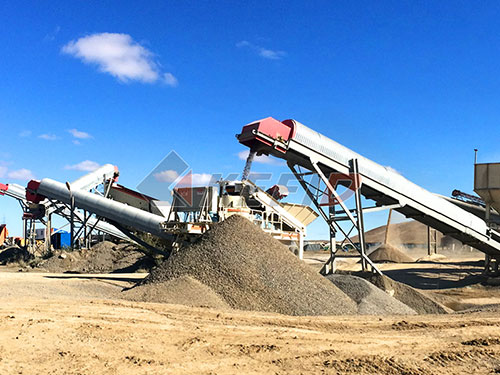
6.After-Sales Support as a Value Component:
Evaluate supplier’s local presence partnership with local service agents
Availability technical support via remote diagnostics
Spare parts lead time guarantee—this crucial factor often overlooked during purchase
Regional Market Analysis & Price Benchmarks
While prices fluctuate raw materials global demand general trends exist:
- Chinese Manufacturers: Offer compelling initial prices sometimes 30-50% lower than European counterparts increasingly improving quality export sophisticated plants However consistency varies due diligence paramount Potential higher OPEX through wear rates energy consumption
- European Manufacturers: Represent premium segment where initial investment higher justified through superior longevity energy efficiency resale value engineering support synonymous reliability precision automation TCO often lower demanding high-uptime applications
- “Second-Tier” European/Turkish/Indian Manufacturers Provide viable middle ground blending acceptable quality competitive pricing growing reputation specific markets
Example hypothetical price range fully equipped stationary ballast crushing plant 250tph capacity:
Basic configuration Chinese origin $500000-$800000 FOB Shanghai
Mid-range Turkish/Indian configuration $750000-$1M FOB Istanbul/Mumbai
Premium European configuration $1M-$1M+ FOB Hamburg
These figures illustrative exclude import duties logistics installation emphasize need detailed like-for-like quotation comparison
Conclusion: Achieving True Value in Imported Ballast Crushing Equipment
Procuring imported quarry ballast crushing equipment at best price complex multidimensional process transcends simple price shopping Successful procurement strategy aligns technical requirements financial constraints long-term operational goals Key achieving this balance lies shifting focus from purchase price comprehensive Total Cost Ownership analysis most expensive equipment sometimes cheapest over its lifespan due unparalleled reliability lower operating costs Conversely seemingly bargain machine become liability through chronic downtime exorbitant spare parts costs lost production opportunities Therefore best price ultimately price delivers required specification reliable performance minimal operational disruption throughout its service life Thorough due diligence strategic negotiation holistic view cost components essential making informed investment that will underpin critical infrastructure projects years come
