A Comprehensive Guide to Importing Gold Ore Crushing Equipment: Vendor Selection and Strategic Considerations
The global gold mining industry is a cornerstone of the world’s financial system and a critical sector for many national economies. At the heart of every successful gold mining operation lies the processing plant, where the first and most crucial step is comminution—the breaking down of ore into fine particles to liberate the precious metal. The selection and acquisition of robust, efficient crushing equipment are therefore paramount. For many mining companies, especially those in regions without a strong domestic manufacturing base, this necessitates importing this vital machinery from international vendors. This process is a complex strategic undertaking that extends far beyond a simple purchase order. It involves a meticulous evaluation of technical specifications, vendor credibility, logistical frameworks, and long-term operational costs.
This article provides a detailed exploration of the process of importing gold ore crushing equipment, focusing on the critical aspects of vendor selection and the overarching strategic considerations that ensure a successful investment.
Section 1: Understanding the Equipment Spectrum
Before engaging with vendors, it is essential to understand the technological landscape. Gold ore crushing is not a single-step process but a circuit typically comprising primary, secondary, and tertiary stages. The choice of equipment depends on factors such as ore characteristics (abrasiveness, hardness, moisture content, clay content), required throughput, and product size.
1.1 Primary Crushers: The Workhorses
- Jaw Crushers: These are the stalwarts of primary crushing. Utilizing a fixed jaw and a moving jaw, they create a “V” cavity where ore is crushed by compression. They are renowned for their robustness, simplicity, and ability to handle large feed sizes. They are ideal for hard, abrasive ores but produce a relatively coarse product.
- Gyratory Crushers: For high-capacity primary crushing stations (often exceeding 1,000 tons per hour), gyratory crushers are the preferred choice. They operate via a gyrating mantle within a concave hopper, providing continuous crushing action. They are more expensive than jaw crushers but offer higher efficiency and throughput for large-scale operations.
1.2 Secondary and Tertiary Crushers: Refining the Product
- Cone Crushers: These are the most common choice for secondary and tertiary crushing stages. They function similarly to gyratory crushers but on a smaller scale and with a faster eccentric speed. Modern cone crushers offer advanced automation for setting adjustments and liner wear compensation, ensuring consistent product size—a critical factor for downstream grinding and recovery processes.
- Impact Crushers: These crushers use impact force rather than compression to break rock. Hammers or blow bars on a rotating rotor strike the ore, throwing it against breaker plates. They are excellent for softer, less abrasive ores and can produce a well-shaped cubic product. However, they may suffer from higher wear rates in abrasive gold ores.
1.3 Specialized Crushing Solutions
- High-Pressure Grinding Rolls (HPGR): While often categorized under grinding, HPGRs are increasingly used as a tertiary or quaternary crushing tool. They compress the feed material between two counter-rotating rollers under extremely high pressure, causing micro-fractures that significantly improve downstream grinding efficiency and reduce overall energy consumption—a major operational cost.
- SAG Mill Feed Preparation: In some circuits, particularly those using Semi-Autogenous Grinding (SAG) mills, the primary crusher’s role is simply to reduce run-of-mine ore to a manageable size for the mill. The vendor selection here focuses on reliability and availability over producing a finely crushed product.
Section 2: The Vendor Landscape: A Global Perspective
The market for gold ore crushing equipment is dominated by several multinational corporations with extensive global reach and decades of experience.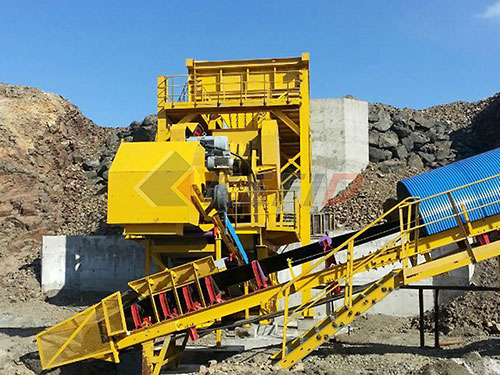
2.1 The Established Titans
- Metso Outotec (Now Metso) and Sandvik: Following the merger of Metso Outotec with parts of Sandvik’s mining business, this entity represents one of the largest suppliers in the sector.
- Strengths: Unparalleled R&D capabilities; comprehensive product portfolio covering every stage of comminution; global parts and service network; deep industry expertise.
- Considerations: Often positioned at the premium end of the market; corporate structure can sometimes lead to less agile communication for smaller projects.
- FLSmidth: A Danish company with a long history in mining.
- Strengths: Strong engineering heritage; innovative solutions like their HPGR technology; full flowsheet capability from crushing to pyroprocessing.
- Considerations: Similar to Metso in its premium positioning; requires thorough due diligence on local support in your specific region.
- ThyssenKrupp Polysius (Now part of FLSmidth) & CITIC Heavy Industries: These represent other major global players with significant market share and technological prowess.
2.2 Regional Leaders & Niche Specialists
Beyond the giants, several companies have carved out strong positions as regional leaders or specialists in certain technologies.
- Weir Minerals: Known for their Enduron® crushers and strong reputation in slurry handling equipment.
- HAZEMAG: A German company with an excellent reputation for impact crushers used in softer ore applications or aggregate-specific circuits within mining sites.
- Chinese Manufacturers (e.g., Northern Heavy Industries Group – NHI): Chinese vendors have made significant strides in quality and technology over recent decades.
- Strengths: Highly competitive pricing; increasingly reliable technology; willingness to customize.
- Considerations: Potential concerns around intellectual property; variable quality control requiring rigorous factory acceptance tests (FAT); after-sales service network outside of Asia may be less established.
Section 3: The Strategic Importation Process: Beyond Technical Specs
Importing heavy capital equipment like crushers involves navigating complex logistical terrain.
3.1 Pre-Procurement Due Diligence
This phase is arguably the most critical.
- Testwork & Pilot Plants: Reputable vendors should offer or facilitate testwork on your specific ore sample at their research centers or through mobile pilot plants. This data is non-negotiable for sizing equipment correctly.
- Total Cost of Ownership (TCO) Analysis: The initial purchase price is only one component. A professional TCO analysis must include:
- Energy consumption per ton crushed
- Wear part consumption rates (liners/mantles/blow bars)
- Expected maintenance labor hours
- Availability & reliability metrics (Mean Time Between Failures)
- Cost and lead time for spare parts
- Reference Site Visits: Insist on visiting existing installations running similar ore types under similar conditions—preferably without being chaperoned exclusively by vendor representatives.
3 .2 Navigating Logistics & Customs
The physical movement of multi-ton machinery requires expert planning.
- Incoterms Clarity: Clearly define responsibilities using International Commercial Terms (Incoterms). For example:
- FOB (Free On Board): Your responsibility begins once goods are loaded onto the vessel at the seller’s port.
- CIF (Cost Insurance Freight): The seller pays for insurance and freight to your port—often simpler but offers less control over shipping choices.
- Port Infrastructure & Inland Transport: Assess if your nearest port can handle heavy-lift cargoes (e.g., gyratory main frames). Plan inland transport routes meticulously regarding bridge capacities tunnel clearances etc
*. Customs Clearance & Duties Engage experienced customs brokers familiar with HS codes for mining machinery Tariffs taxes import duties can significantly impact project economics
3 3 After Sales Support & Service Agreements
A crusher purchased internationally becomes an expensive paperweight without proper support
*. Spare Parts Inventory Strategy Negotiate an initial spare parts package including critical high wear items Establish clear supply chain protocols for emergency parts replenishment
*. Technical Training Ensure comprehensive training programs are included covering operation maintenance troubleshooting Local technician competency directly impacts equipment uptime
*. Service Contracts Consider long term service agreements with performance based metrics These can guarantee response times technical support availability optimize maintenance schedules
Conclusion
Importing gold ore crushing equipment from an international vendor strategic partnership that demands rigorous technical commercial logistical evaluation Success hinges moving beyond simple price comparison embracing holistic Total Cost Ownership perspective While established Western vendors offer proven technology extensive support networks emerging manufacturers particularly China provide compelling cost competitive alternatives requiring enhanced due diligence
Ultimately most prudent path forward involves transparent collaborative relationship chosen vendor From initial testwork final commissioning ongoing maintenance both parties must share common goal maximizing plant availability minimizing operating costs ensuring safe efficient recovery valuable gold resource By meticulously navigating complexities outlined this guide mining companies can make informed decisions secure capital assets will deliver returns decades come
