Title: Import Gold Ore Crushing Equipment: Minimum Order Quantities, Market Dynamics, and Procurement Strategies
Introduction
The global mining industry, particularly the gold extraction sector, relies heavily on robust and efficient crushing equipment to process raw ore into a form suitable for further beneficiation. For companies looking to import such machinery, understanding the concept of the “Minimum Order Quantity” (MOQ) is a critical commercial and logistical consideration. This article provides a comprehensive, professional, and objective analysis of the factors influencing MOQs for imported gold ore crushing equipment, the typical ranges encountered in the market, and strategic approaches for buyers to navigate these requirements.
1. Defining the Equipment Landscape
Gold ore crushing equipment is not a monolithic category. It encompasses a range of machinery designed for different stages of size reduction, from primary crushing of run-of-mine (ROM) ore to fine crushing for ball mill feed. The primary types include:
- Jaw Crushers: Used for primary crushing. They are robust, high-capacity machines.
- Cone Crushers: Used for secondary and tertiary crushing. They offer high reduction ratios and product shape control.
- Impact Crushers: Used for medium-hard and soft ores, often in secondary or tertiary stages.
- Gyratory Crushers: Very large primary crushers used in high-tonnage operations.
- Hammer Crushers: Often used for smaller-scale operations or specific ore types.
- Roll Crushers: Used for fine crushing of brittle materials.
The MOQ for each of these types varies significantly based on size, complexity, and the manufacturer’s production scale.
2. The Concept of Minimum Order Quantity (MOQ) in Heavy Machinery
In the context of importing heavy industrial equipment like gold ore crushers, the MOQ is not merely a number of units. It is a commercial threshold set by the manufacturer or supplier to ensure the economic viability of a transaction. Several factors drive the establishment of MOQs:
- Manufacturing Economics: Producing a single, custom-engineered crusher involves significant setup costs for tooling, programming CNC machines, and sourcing specific raw materials. A higher MOQ allows the manufacturer to amortize these fixed costs over multiple units, reducing the per-unit cost.
- Supply Chain Efficiency: Sourcing components (e.g., bearings, manganese steel liners, hydraulic systems) often has its own MOQs from sub-suppliers. A crusher manufacturer must aggregate demand to meet these upstream requirements.
- Logistics and Shipping: Heavy machinery is typically shipped via break-bulk or in containers. A single crusher may not fill a container, leading to inefficient freight costs. A larger order can optimize container utilization or justify a full charter shipment.
- After-Sales Service and Spare Parts: Manufacturers often tie MOQs to the provision of spare parts kits, commissioning services, and technical support. A larger initial order may include a more comprehensive support package.
- Market Segmentation: Manufacturers segment their markets. For large, multinational mining corporations, MOQs might be high (e.g., 3-5 units). For smaller, emerging miners or regional distributors, MOQs may be lower but with a higher unit price.
3. Typical MOQ Ranges for Gold Ore Crushing Equipment
Based on industry data and trade practices, the MOQ for imported gold ore crushing equipment generally falls into the following categories: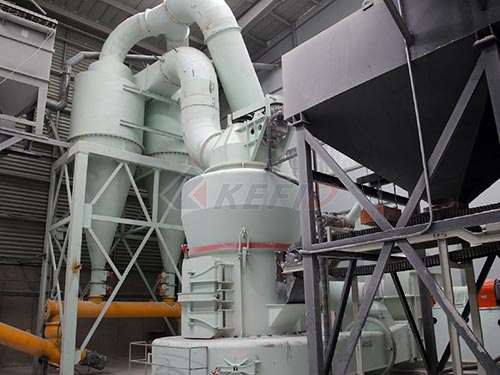
-
Small-Scale / Pilot Plant Equipment (e.g., laboratory jaw crushers, small hammer mills):
- MOQ: Typically 1 unit. These are often standard, off-the-shelf products.
- Price Range: $5,000 – $50,000 per unit.
- Lead Time: 30-60 days.
-
Medium-Scale / Modular Crushing Plants (e.g., 50-200 TPH jaw crushers, cone crushers):
- MOQ: Often 1 unit for standard models, but 2-3 units for customized configurations.
- Price Range: $80,000 – $500,000 per unit.
- Lead Time: 60-120 days.
-
Large-Scale / Primary Gyratory or High-Capacity Cone Crushers (e.g., 500+ TPH):
- MOQ: Almost always 1 unit, but the manufacturer may require a significant down payment (30-50%) and a long-term service agreement.
- Price Range: $500,000 – $3,000,000+ per unit.
- Lead Time: 120-180 days.
-
Complete Crushing & Screening Plants (multiple machines integrated):
- MOQ: 1 complete system. However, the system itself may consist of 3-5 individual crushers and screens.
- Price Range: $1,000,000 – $10,000,000+.
- Lead Time: 180-360 days.
4. Factors Influencing MOQ Negotiation
While MOQs are often presented as fixed, they are frequently negotiable, especially in a buyer’s market or when dealing with manufacturers in countries like China, India, or Turkey. Key leverage points include:
- Order Value: A high total order value (even for a single unit) can sometimes waive a strict MOQ. For example, a $2 million single crusher order may be treated as equivalent to a 3-unit order of smaller crushers.
- Long-Term Relationship: Buyers who commit to a multi-year supply agreement or a framework contract for spare parts can often secure a lower initial MOQ.
- Payment Terms: Offering a larger down payment (e.g., 50% instead of 30%) or a letter of credit (L/C) can reduce the manufacturer’s financial risk, making them more flexible on MOQ.
- Standard vs. Custom: Standard models with proven designs are more likely to have a low MOQ (1 unit). Custom-engineered crushers with unique specifications (e.g., special manganese content, specific motor voltage, unique feed opening dimensions) will almost always have a higher MOQ (2-3 units) due to the engineering and tooling costs.
- Seasonal Demand: During periods of low global demand (e.g., economic downturns), manufacturers may temporarily reduce MOQs to maintain production lines.
5. Regional Variations in MOQ Practices
- Chinese Manufacturers: Generally offer the most flexible MOQs, often accepting orders for 1 unit of standard equipment. However, quality and after-sales support can vary. MOQs for custom equipment are typically 2-3 units.
- European Manufacturers (e.g., Metso, Sandvik, ThyssenKrupp): Typically have higher MOQs, especially for large-scale equipment. They focus on high-value, long-life machinery and often require a minimum of 1 unit but with stringent contractual terms. For smaller models, MOQs may be 1 unit but with a premium price.
- North American Manufacturers: Similar to European practices, with a strong emphasis on service contracts and spare parts packages. MOQs for standard models are often 1 unit, but custom builds may require 2-3 units.
- Indian Manufacturers: Often fall between Chinese and European practices. They offer competitive pricing and moderate flexibility on MOQs, typically 1-2 units for standard models.
6. Strategic Procurement Recommendations
For importers seeking to optimize their procurement of gold ore crushing equipment while managing MOQ constraints, the following strategies are recommended:
- Conduct a Thorough Needs Assessment: Clearly define the required capacity (TPH), ore characteristics (hardness, abrasiveness, moisture content), and final product size. This prevents over-specification, which can increase MOQ and cost.
- Leverage Standardization: Where possible, specify standard models rather than custom designs. This dramatically reduces MOQ and lead time.
- Consolidate Orders: If multiple crushers are needed over a project lifecycle, consolidate them into a single purchase order to meet a higher MOQ and negotiate a volume discount.
- Engage in Early Supplier Communication: Initiate discussions with potential suppliers well before the required delivery date. Clearly state your budget, timeline, and willingness to negotiate on MOQ.
- Consider Used or Refurbished Equipment: For smaller operations or pilot plants, used equipment often has no MOQ and can be purchased individually. However, due diligence on condition and spare parts availability is critical.
- Utilize a Trading Company or Agent: A reputable trading company specializing in mining equipment can aggregate demand from multiple buyers to meet a manufacturer’s MOQ, then distribute the units. This is common for smaller miners.
- Negotiate a Phased Delivery: Agree to a single contract for multiple units but with staggered delivery schedules. This allows the manufacturer to produce in batches, potentially meeting a lower MOQ per batch while the overall order value is high.
- Include Spare Parts in the MOQ: Sometimes, the MOQ can be met by including a comprehensive spare parts kit (e.g., jaw plates, mantle liners, hydraulic filters) with the crusher order. This ensures operational readiness.
7. Risks of Ignoring MOQ Requirements
Failing to respect or negotiate MOQ terms can lead to several commercial risks:
- Price Premiums: Buying a single unit when the MOQ is 3 can result in a 20-40% price increase per unit.
- Order Rejection: The supplier may simply refuse to accept the order, forcing the buyer to seek alternative, potentially less reliable sources.
- Delayed Production: The manufacturer may prioritize larger orders, pushing the single-unit order to the back of the production queue.
- Inadequate Support: A single-unit order may not include the standard after-sales support, leaving the buyer without technical assistance or warranty coverage.
Conclusion
The Minimum Order Quantity for imported gold ore crushing equipment is a multifaceted commercial parameter that reflects manufacturing economics, supply chain dynamics, and market segmentation. While MOQs can range from 1 unit for small, standard machines to 3-5 units for large, custom-engineered systems, they are not immutable. Through strategic planning, early supplier engagement, and a clear understanding of one’s own operational needs, importers can successfully navigate MOQ requirements. The key is to balance the desire for low initial capital expenditure with the long-term benefits of reliable, well-supported equipment. A professional procurement approach—combining technical specification, commercial negotiation, and logistical foresight—will ultimately determine the success of importing gold ore crushing machinery.
