
The global construction, mining, and aggregate industries form the bedrock of modern infrastructure development. At the heart of these sectors lies a critical process: the reduction and classification of raw materials like rock, ore, and demolition waste into specified sizes and grades. This essential task is performed by crushing and screening equipment—a market characterized by robust machinery, sophisticated technology, and intense global competition. While major original equipment manufacturers (OEMs) dominate production, a complex and vital network of importers of crushing and screening equipment acts as the crucial bridge between international manufacturers and local markets. These importers are far more than mere logistical middlemen; they are strategic partners, technical advisors, and market-makers who navigate a labyrinth of challenges to keep the wheels of industry turning.
The function of an importer in this heavy machinery sector extends well beyond arranging shipping and handling customs documentation. Their role is multifaceted and integral to the health of the downstream industries they serve.
1. Market Access and Localization for Global OEMs: For international manufacturers based in hubs like the United States, Germany, Finland, Sweden, Italy, China, and India, establishing a direct subsidiary in every potential market is capital-intensive and operationally complex. Importers serve as their de facto local presence. They possess an intimate understanding of regional market dynamics, customer preferences, regulatory environments, and business cultures. An importer in Southeast Asia, for instance, will understand the specific needs of a limestone quarry in Thailand differently from a granite quarry in Vietnam, allowing them to tailor their product offerings and support accordingly.
2. Technical Adaptation and Application Expertise: Crushing and screening is not a one-size-fits-all operation. The optimal machine for processing abrasive basalt differs significantly from one designed for recycled concrete or soft limestone. Importers employ skilled engineers and sales teams with deep application knowledge. They work directly with quarry owners and contractors to analyze feed material, desired output products, production capacity requirements, and site-specific constraints. This allows them to recommend the most suitable equipment from their portfolio—whether it’s a jaw crusher for primary breaking, a cone crusher for secondary reduction, or a specialized impactor for shaping aggregates.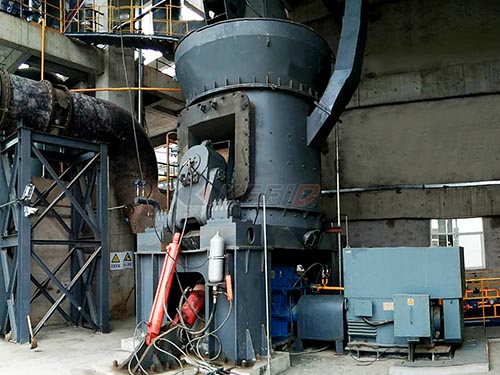
3. Comprehensive After-Sales Support and Parts Logistics: The total cost of ownership for heavy equipment is heavily influenced by maintenance, repair parts availability (MRO), and technical support. Downtime in a mining or aggregate operation can cost thousands of dollars per hour. A primary value proposition of a reputable importer is their ability to maintain a local warehouse stocked with genuine wear parts (liners, mantles, screens) and critical components. They also deploy field service technicians who can perform repairs, scheduled maintenance (like liner changes), and offer operational training. This localized support network is often the deciding factor for a customer choosing between competing brands.
4. Financing and Risk Mitigation: The capital outlay for a new mobile crusher or screening plant can run into millions of dollars. Many end-users require flexible financing solutions that may not be readily available from a distant OEM. Established importers often have relationships with local financial institutions or can facilitate manufacturer-backed leasing and financing plans tailored to their market’s economic realities.
Navigating this business landscape is fraught with significant hurdles that test the resilience and expertise of importing firms.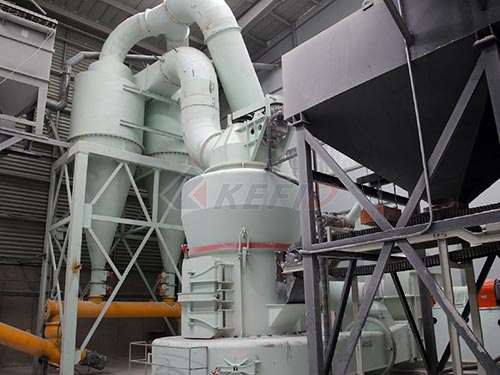
The landscape of crushing & screening equipment importers varies widely:
Several macro-trendsare reshapingthe strategiesand operationsof these vital intermediaries:
In conclusion,the networkof companiesactingas importcrushingandscreeningequipmentimportersconstitutesan indispensablecomponentofthe global supplychainforthe extractiveindustries.Theyarenotsimplypassiveconduitsformovingmachineryacrossbordersbutareactive strategicpartnerswhoseexpertiseinlocalmarkets technicalapplications after-salessupport riskmanagement ultimatelydeterminestheproductivity profitabilityandsustainabilityofthequarries mines recyclingcenters theyserve.As technologyevolvesandeconomiclandscapesshift thesefirmsmustcontinuouslyadapt provingtheirresilienceandenduringvalueasthetruegatekeepersofindustrialprogressworldwide
Lorem ipsum dolor sit amet, consectetur adipisicing elit. Consectetur sequi saepe ut sunt eveniet perferendis excepturi, iste obcaecati. Qui tempore hic sed quia soluta obcaecati vel.