
The industrial backbone of modern construction, mining, and recycling is built upon the ability to reduce large, raw materials into specific, usable aggregate sizes. At the heart of this comminution process for many applications lies the Impact Crusher, a dynamic and efficient machine designed to fracture material through high-speed impact rather than compressive force. For project managers, plant operators, and procurement specialists, navigating the landscape of impact crusher vendors and evaluating vendor samples is a critical task that directly influences operational efficiency, product quality, and bottom-line profitability. This article provides a detailed examination of impact crusher technology, a strategic overview of key vendor segments, and a professional framework for requesting and assessing vendor samples.
Before engaging with vendors, a firm grasp of the technology is essential. Impact crushers utilize massive rotors fitted with blow bars (hammers) that rotate at high speeds. Incoming material is fed into the crushing chamber, where it is struck by the blow bars and hurled against adjustable impact aprons or breaker plates. This action causes the rock to fracture along its natural cleavage planes, producing a well-shaped, cubical product—a key advantage over other crusher types.
There are two primary configurations:
Key performance metrics include throughput capacity (TPH), reduction ratio, power consumption (kW), product shape characteristics, and wear part consumption rate.
The market for impact crushers is populated by a diverse range of vendors, typically categorized into three tiers:
1. Global Full-Line OEMs (Original Equipment Manufacturers):
These industry titans offer comprehensive portfolios covering nearly every crushing and screening need.
2. Strong Regional/Niche Specialists:
These vendors often excel in specific regions or with particular impact crusher designs.
3. Value-Oriented & Emerging Market Manufacturers:
This segment includes established value brands from Europe and numerous manufacturers from emerging industrial hubs.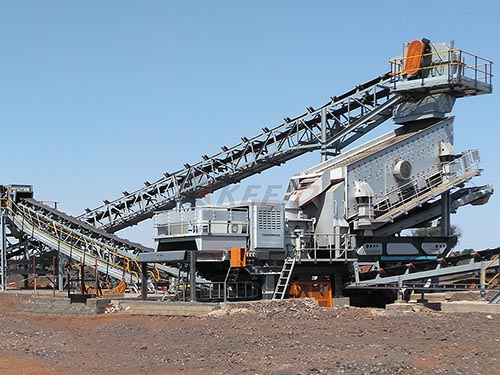
In the context of impact crushers, “vendor samples” can refer to two crucial but distinct elements:
A) Material Test Samples:
This is the most direct form of sample evaluation. Reputable vendors will operate full-scale test crushing centers where customers can send bulk samples of their actual feed material (e.g., 5-10 tons of quarry run or demolition concrete).
B) Component/Wear Part Samples:
This involves evaluating the quality of consumable parts like blow bars, apron liners, and rotor tips before making a purchase commitment.
A professional approach ensures you gather comparable data to make an informed decision.
Phase 1: Pre-Engagement Preparation
Phase 2: Vendor Shortlisting & Initial Request
Phase 3: Sample Testing & Data Analysis
1.For Material Tests: Provide identical representative feed samples to each shortlisted vendor.Stress that you require all reports in a similar format so you can compare key metrics side-by-side.Pay close attention not just to capacity but also power efficiency(TPH/kW)and estimated wear cost per ton
2.For Wear Part Samples: If possible have your own metallurgist analyze samples or send them to an independent lab.Hardness testing(Brinell/Rockwell)and microstructural analysis can reveal significant differences between suppliers claiming similar specifications
Phase 4: Holistic Evaluation Beyond The Sample
The sample data is pivotal but only one part of Total Cost Ownership(TCO)
1.Support & Parts Logistics: Evaluate lead times on major components(rotor assemblies)or common wear parts.What is proximity/service capability?
2.Technology Features: Does machine offer hydraulic adjustment aprons while running?Easy access maintenance doors?Advanced automation systems monitoring bearing temperatures rotor imbalance?
3.Financial Package: Compare not only initial CAPEX but also estimated OPEX from test results.Vendors may offer different financing leasing options which could influence decision especially large projects
Selecting an impact crusher is long-term capital investment decision with daily operational consequences.The process demands moving beyond glossy brochures marketing claims towards empirical performance-based assessment.The strategic solicitation evaluation vendor-provided samples—both crushed material output physical wear components—constitutes most objective phase selection process.When combined rigorous analysis total cost ownership factors including service support technological sophistication,a buyer can mitigate risk secure equipment that delivers required performance profitability over its entire lifecycle.Whether opting global OEM’s integrated solution niche specialist’s tailored application or value manufacturer’s cost-effective unit foundation successful purchase lies systematic professional engagement marketplace guided concrete data derived from comprehensive sampling
Lorem ipsum dolor sit amet, consectetur adipisicing elit. Consectetur sequi saepe ut sunt eveniet perferendis excepturi, iste obcaecati. Qui tempore hic sed quia soluta obcaecati vel.