Impact Crushers: A Comprehensive Guide for Manufacturers and Buyers
Impact crushers are a cornerstone of modern size reduction technology, playing a pivotal role in aggregates production, recycling, and mining. For manufacturers, designing and producing these machines requires a deep understanding of mechanics, material science, and application demands. For buyers, selecting the right impact crusher is critical for operational efficiency and profitability. This detailed article explores the engineering principles, types, key considerations for manufacturers, and selection criteria for end-users.
1. Fundamental Operating Principle
At its core, an impact crusher utilizes the principle of dynamic impact to break materials. The process involves:
- Acceleration: Material is fed into the crushing chamber where it encounters high-speed rotating rotors fitted with blow bars or hammers.
- Impact: The accelerated material is thrown against stationary anvils or breaker plates (in horizontal shaft impactors) or against the outer chamber walls or other incoming rock (in vertical shaft impactors).
- Attrition & Shearing: Further breakage occurs as particles collide with each other.
- Control & Discharge: The size of the final product is controlled by the speed of the rotor, the gap between the impact elements and breaker plates/anvils, and the configuration of the discharge opening.
This mechanism results in a highly cubical product—a key advantage over compression crushers like jaw or cone crushers—making impact crushers ideal for producing high-quality aggregate for concrete and asphalt.
2. Primary Types of Impact Crushers
Manufacturers typically specialize in two main designs:
A. Horizontal Shaft Impactors (HSI)
- Design: Features a horizontal shaft mounted with blow bars that rotate at high speeds. The primary crushing chamber includes two or more adjustable curtain aprons (breaker plates).
- Crushing Action: Material is crushed through impact with the blow bars and repeated throwing against the aprons until it passes through the gap setting.
- Advantages: Excellent reduction ratios (up to 20:1), high capacity, easier maintenance access to wear parts (blow bars, apron liners), and superior shape control.
- Typical Applications: Primary and secondary crushing of low-abrasive materials like limestone, recycled concrete, and asphalt. Commonly used in aggregates quarries.
B. Vertical Shaft Impactors (VSI)
- Design: Features a vertical shaft that accelerates material either through a rotor with shoes and anvils (“rock-on-rock” configuration) or by throwing it against stationary outer anvils (“rock-on-steel”).
- Crushing Action: Creates fracture along natural fissures in the rock due to high-velocity inter-particle collision.
- Advantages: Produces the most cubical product with superior particle shape; excellent for sand manufacturing (fines production) and grit generation; can handle moderately abrasive materials well in rock-on-rock configurations.
- Typical Applications: Tertiary and quaternary crushing stages, manufactured sand production, glass recycling, and refining material shape.
3. Critical Engineering Considerations for Manufacturers
For an impact crusher manufacturer, excellence hinges on several key areas:
A. Rotor Design & Dynamics:
The rotor is the heart of the machine. Manufacturers must choose between solid (monobloc) or welded modular designs. Solid rotors offer superior strength for large feed sizes and heavy-duty applications but are costlier. Modular welded rotors are versatile but require meticulous engineering to withstand fatigue. Dynamic balancing at operating speeds is non-negotiable to prevent destructive vibration.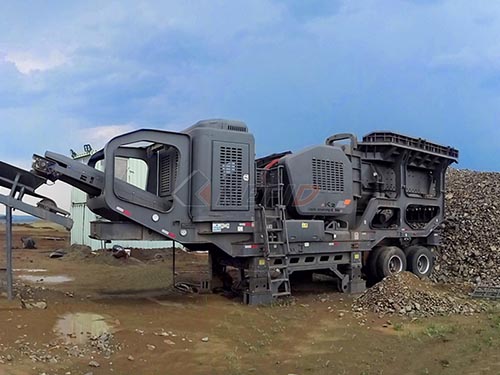
B. Wear Part Metallurgy & Design:
Wear parts—blow bars/hammers, apron liners/breaker plates, anvils—are consumables whose life defines operational cost.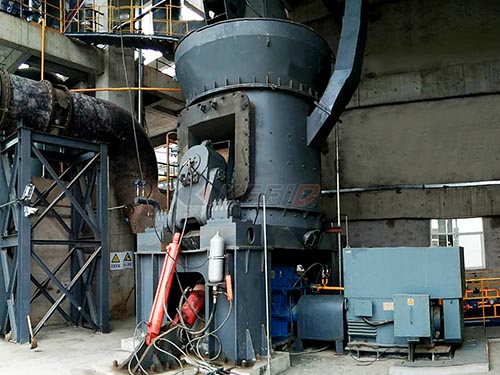
- Material Selection: Options range from economical manganese steel to sophisticated martensitic/alloy steels with ceramic inserts for extreme abrasion resistance.
- Design Innovation: Manufacturers develop multi-pocket blow bars that allow rotation/replacement of individual segments to maximize wear life without changing entire sets.
C. Hydraulic Systems & Automation:
Modern impact crushers rely on hydraulics for:
- Opening the frame for safe maintenance access.
- Adjusting apron settings/crusher gap precisely during operation.
- Releasing tramp iron via a hydraulic cylinder that moves one of the aprons.
Integration with PLC-based automation systems allows for remote monitoring of bearing temperatures, vibration levels (critical for detecting imbalance), power draw (indicative of choking), and automated adjustments.
D. Chamber Geometry & Feed System Optimization:
The internal shape of the crushing chamber must ensure optimal material flow to maximize energy transfer from rotor to rock while minimizing dead zones that cause wear without productive crushing. The feed chute design must distribute material evenly across the full width of the rotor to prevent localized wear.
4. Market Trends Driving Manufacturer Innovation
Leading manufacturers are constantly innovating in response to market demands:
- Sustainability & Recycling: Designing robust crushers specifically for Construction & Demolition (C&D) waste recycling featuring enhanced tramp iron protection (magnetic separators) and quick-change wear parts.
- Digitalization & Smart Crushing: Incorporating IoT sensors for predictive maintenance alerts on wear parts and bearing health.
- Mobility & Versatility: Developing track-mounted mobile impact crusher plants that combine feeding, crushing, screening on one chassis for contract crushing applications requiring frequent relocation.
- Energy Efficiency: Optimizing drive systems using variable frequency drives (VFDs) to match power consumption with feed rates.
5. Selection Criteria for Buyers/End-Users
Choosing an impact crusher requires careful analysis:
-
Material Characteristics:
- Abrasiveness: Highly abrasive materials favor VSIs in rock-on-rock mode or HSIs with premium alloy wear parts.
- Hardness/Compressive Strength: Very hard rocks may be better suited initially to compression crushers; impacts excel on medium-hard materials.
- Feed Size & Desired Product Size: Dictates whether you need primary HSI or tertiary VSI configuration.
-
Production Requirements:**
- Required Capacity (TPH): Must match feed system capability.
- Product Shape Specification: Need for cubicity drives choice towards VSI or modern HSI designs.
-
Operational Costs:**
- Wear Part Cost per Ton: Evaluate not just part price but expected lifetime based on your specific material test data from manufacturers’ samples trials if possible
- Ease & Speed of Maintenance**: Accessibility can drastically reduce downtime costs
4 . Total Cost Ownership vs Initial Investment**: A cheaper machine with higher wear rates may be far more expensive over its lifespan than a premium model designed specifically your application
5 . After Sales Support**: Availability technical expertise spare parts inventory local service network crucial minimizing unplanned downtime
In conclusion,impact crushers represent sophisticated balance brute force precision engineering. For manufacturers success lies continuous innovation metallurgy digital integration understanding evolving needs recycling aggregates industries . For buyers informed selection based rigorous analysis material properties operational goals supported by thorough testing manufacturer samples will ensure investment delivers required performance profitability long term . As global emphasis sustainable construction circular economy grows importance versatile efficient impact crushing technology will only continue rise
