The Importer’s Guide to Impact Crushers: A Comprehensive Catalog and Technical Overview
Introduction
In the global aggregates, mining, and recycling industries, impact crushers stand as a cornerstone technology for size reduction. For importers, navigating the vast international market of these machines is a complex but critical task. An Impact Crusher Importer Catalog is more than a simple list of products; it is a strategic document and a technical compendium that bridges manufacturers from key producing regions (like Europe, China, and North America) with diverse market needs worldwide. This article provides a detailed, professional examination of impact crushers through the lens of an importer’s catalog, covering technology types, key specifications, regional manufacturing landscapes, selection criteria, and the essential value-added role of the importer.
1. Fundamental Technology: How Impact Crushers Work
Unlike compression crushers (e.g., jaw or cone crushers), impact crushers utilize the principle of dynamic impact. Feed material is introduced into a chamber where it encounters rapidly rotating rotors fitted with blow bars or hammers. The material is struck and thrown against adjustable impact aprons or breaker plates, causing it to shatter along natural cleavage planes. This process yields a highly cubical product—a key selling point—and allows for excellent control over product gradation.
There are two primary configurations detailed in any comprehensive catalog:
- Horizontal Shaft Impactors (HSI): The most common type for aggregate production and recycling. The horizontal rotor allows for larger feed sizes and high reduction ratios. HSIs are typically categorized as primary (for large feed) or secondary/tertiary units.
- Vertical Shaft Impactors (VSI): Employing a vertical rotor, VSIs use a different “rock-on-rock” or “rock-on-anvil” principle to achieve superior particle shape for manufactured sand (M-Sand), fine grinding, and mineral liberation. They are essential for producing high-quality concrete and asphalt aggregates.
2. Decoding the Catalog: Essential Specifications & Components
A professional importer’s catalog must present clear, standardized technical data to enable accurate comparison.
Core Specifications:
- Rotor Dimensions & Design: Diameter and width determine capacity. A solid or segmented rotor design impacts durability and serviceability.
- Feed Opening Size: Dictates maximum feed size capability.
- Drive Power: Motor power (in kW or HP) indicates crushing force potential.
- Capacity: Throughput (TPH) must be specified for defined feed material and output settings.
- Weight & Dimensions: Critical for logistics planning, shipping costs, and site placement.
Wear Parts & Maintenance Philosophy:
The catalog must detail the wear part ecosystem:
- Blow Bars: Available in various metallurgies (high chrome, ceramic composite, martensitic steel) for different abrasion/impact balances.
- Impact Aprons / Liners: Protect the crusher housing.
- Rotor: The heart of the machine; its rebuildability is crucial.
Catalog listings should highlight ease of access (hydraulic opening aids), quick-change systems for wear parts, and standardized part numbers to simplify inventory management for end-users.
3. Global Manufacturing Landscape: Sourcing Strategies
An importer’s value hinges on understanding regional production strengths.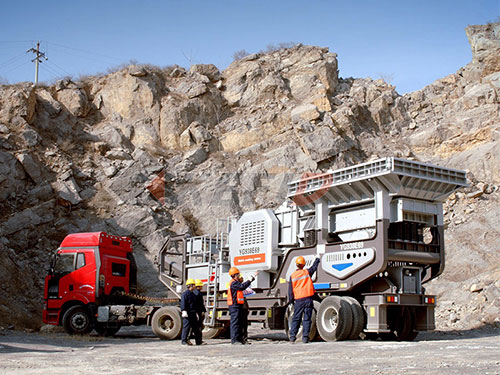
- European Manufacturers (e.g., Sandvik, Metso Outotec): Often positioned as premium-tier. Catalogs feature advanced automation (like PLC systems with remote monitoring), robust designs for hard rock applications, and emphasis on energy efficiency and safety compliance (CE marking). Import costs are higher but justified by longevity and performance in demanding operations.
- Chinese Manufacturers: Represent the volume-driven value segment. Modern Chinese catalogs show significant advancement in design copying reverse-engineered models from global leaders while offering aggressive pricing. Quality spans from low-cost commodity units to OEM-equivalent machines from top-tier Chinese factories. Diligent importer vetting (factory audits) is paramount.
- North American Brands: Focus on durability for local conditions like granite or recycled concrete. Designs often prioritize serviceability with large access doors and common componentry.
A sophisticated catalog may segment offerings by these tiers or brand families to cater to different market segments within the importer’s territory.
4. Application-Driven Selection: Matching Machine to Market Need
The catalog should guide selection through application filters:
- Primary Crushing of Low-Abrasive Materials: Requires large-feed HSIs with monolithic blow bars focused on impact resistance.
- Aggregate Production (Hard Rock): Demands robust HSIs with high-chrome wear parts; may involve multi-stage crushing circuits where HSI follows a jaw crusher.
- Manufactured Sand Production: Highlights VSI crushers exclusively, emphasizing adjustable cascading flow systems and anvil ring configurations to optimize shape.
- Construction & Demolition (C&D) Recycling: Features specialized mobile track-mounted impactors with magnetic separators, dust suppression systems, and designs resistant to tramp metal.
- Asphalt Recycling / Concrete Recycling: Details machines with special grate systems for product sizing without clogging.
5.The Importer’s Value-Added Role Beyond Logistics
The modern importer is not just a conduit but a technical partner.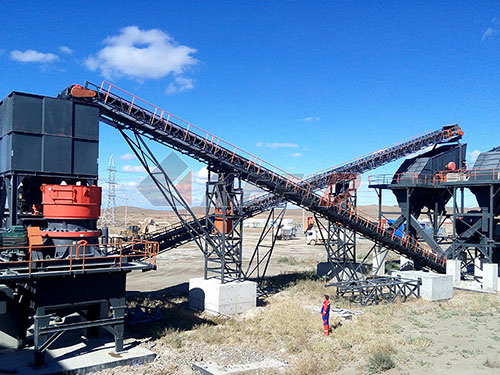
- Localization & Compliance: Ensuring imported machines meet local safety regulations (electrical standards, noise levels), environmental codes (dust emission controls), and have manuals translated into the local language.
- After-Sales Support Ecosystem: The catalog must be backed by:
- A ready stock of critical wear parts within the country/region.
- Field service technicians trained by the manufacturer.
- Workshop facilities for major overhauls.
- Digital support tools like exploded-view diagrams and maintenance tutorials.
- Customization & Commissioning: Assisting clients with plant layout design using crusher dimensions from the catalog; supervising installation; conducting performance tests to verify rated capacity is achieved on local materials.
Conclusion
An effective Impact Crusher Importer Catalog is a dynamic technical manual that empowers buyers across construction aggregates mining recycling sectors make informed decisions It synthesizes complex engineering data into comparable formats while reflecting deep understanding global supply chains application nuances For importers success lies not merely sourcing lowest cost unit but curating portfolio right machines appropriate quality levels backed unwavering local support infrastructure By doing so they become indispensable partners driving infrastructure development their markets ensuring that imported machinery delivers promised productivity return investment long term
