
The industrial ecosystem surrounding aggregate production, mining, and recycling is a complex symphony of engineering, manufacturing, and precise coordination. At its core lies the Impact Crusher—a dynamic machine designed to reduce large rocks, concrete, and demolition debris into specified sizes through the principle of high-speed impact. However, the journey of this machine from a conceptual design to a pivotal asset on a remote quarry site is a story defined by the critical roles of specialized Fabricators and an intricate web of Logistics. This triad forms an integrated backbone for heavy industry, where each element is interdependent, driving efficiency, innovation, and project success.
Impact crushers are distinguished from other crushing equipment like jaw or cone crushers by their method of comminution. They utilize massive rotors fitted with blow bars (hammers) that rotate at high velocities, striking the feed material and hurling it against impact plates (apron liners). This action results in a high reduction ratio and a cubical product shape—highly desirable for concrete and asphalt aggregates.
Key Types and Applications:
The design philosophy emphasizes robustness combined with accessibility. Critical wear parts—blow bars, impact plates, rotor discs—are engineered for quick replacement to minimize downtime. Modern crushers integrate advanced automation systems for monitoring rotor speed, feed rate, and power draw, optimizing performance and protecting the machine from catastrophic damage.
While original equipment manufacturers (OEMs) design and assemble the core crusher units, the network of specialized fabricators is indispensable to their lifecycle. These fabricators are not mere workshops; they are engineering partners who extend, adapt, and sustain crushing systems.
1. Custom Plant Design & Build: OEMs supply the crusher itself, but the surrounding structure—the feed hoppers, conveyors, screening towers, support structures (skids or chassis), walkways, and ladders—is often the domain of skilled fabricators. They translate process flow diagrams into three-dimensional steel realities that must handle immense loads, vibrations, and harsh environmental conditions. This includes creating portable or semi-portable plants mounted on trailers for mobility between job sites.
2. Wear Parts Manufacturing & Innovation: Fabricators specializing in metallurgy produce critical wear parts. Using advanced alloys (like high-chrome iron or manganese steel) and heat-treatment processes, they create blow bars and liners that balance wear resistance with cost-effectiveness. Many also offer reverse engineering or design improvements to extend part life beyond OEM specifications.
3. Aftermarket Support & Rebuilds: The relationship with a fabricator intensifies post-purchase. They provide:
The fabricator’s value lies in flexibility,material expertise,and proximity to the end-user,filling gaps that OEMs cannot always address swiftly.
The scale,mass,and urgency associated with impact crushers make logistics not just a support function,but a strategic discipline.The logistical chain can be segmented into three critical phases:
Phase 1: Inbound Logistics for Fabrication
This involves managing the supply chain of raw materials: high-grade steel plate,billets for wear parts,bearings,motors,and hydraulic components sourced globally.Timely delivery of these heavy items to fabrication shops is crucial to meet production schedules.Just-in-time inventory practices must be balanced against the volatility of raw material prices and global shipping delays.
Phase 2: Outbound Logistics of Finished Equipment
Transporting a complete crushing plant or major components presents monumental challenges.
Phase 3: Operational & Maintenance Logistics
This ongoing phase is often overlooked but is vital for profitability.
The true power lies in integrating these three domains.Seamless information flow is essential:
Technology like IoT-enabled telematics on crushers now feeds real-time performance data back through this chain,predicting part failure triggering automated replenishment orders from fabricators alerting logistics providers.This creates a proactive resilient supply loop rather than reactive breakdown cycle.
The industry faces persistent challenges: volatile steel prices,labor shortages in skilled welding/trucking,increasingly complex transport regulations environmental pressures demanding more efficient equipment reducing carbon footprint across entire logistics chain.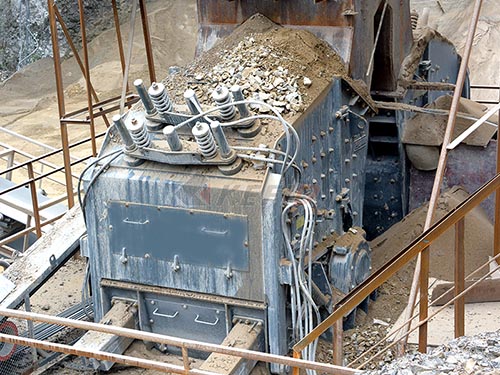
Future trends point towards deeper integration:
Lorem ipsum dolor sit amet, consectetur adipisicing elit. Consectetur sequi saepe ut sunt eveniet perferendis excepturi, iste obcaecati. Qui tempore hic sed quia soluta obcaecati vel.