Impact Crushers: The Dynamics of Size Reduction in Modern Aggregates and Recycling
In the foundational industries of construction, mining, and recycling, the efficient reduction of raw materials into specified sizes is a critical operation. Among the array of size reduction equipment, the impact crusher stands out for its unique principle of operation, versatility, and efficiency in producing a well-shaped, cubical product. This article provides a comprehensive examination of impact crushers, detailing their working principles, primary types, key components, advantages and limitations, and their pivotal role in contemporary aggregate production and material recycling.
1. Fundamental Working Principle: Dynamic Impact
Unlike compression crushers (like jaw or cone crushers) that utilize sustained pressure to break rock, impact crushers employ the principle of dynamic impact. The core mechanism involves accelerating the feed material into a rapidly rotating rotor equipped with blow bars or hammers. This imparts high kinetic energy to the rocks.
Subsequent fracture occurs through:
- Primary Impact: The initial collision between the material and the blow bars fixed to the rotor.
- Secondary Impact: The propelled material striking the adjustable breaker plates or aprons located within the crushing chamber.
- Inter-Particle Collision: Accelerated particles colliding with each other in the crowded chamber, further promoting attrition and breakage.
This rapid transfer of energy causes stresses that exceed the material’s natural fracture limits, resulting in cleavage along natural grain boundaries. This process is inherently more efficient for many materials than slow compression, leading to higher reduction ratios—often exceeding 20:1 in a single stage—and a characteristic cubical product shape highly prized in concrete and asphalt applications.
2. Primary Configurations: Horizontal Shaft vs. Vertical Shaft
Impact crushers are predominantly categorized by their rotor orientation.
A. Horizontal Shaft Impact Crusher (HSI)
The HSI is the most common configuration for primary and secondary crushing of low-abrasive materials like limestone, recycled concrete, and asphalt.
- Design: Features a horizontal rotor shaft around which blow bars (or hammers) are mounted. The chamber includes two or more adjustable curtain aprons (breaker plates).
- Operation: Material is fed into the top, struck by blow bars, and hurled against the aprons repeatedly until it exits through the gap between the rotor and the final apron setting.
- Control: Product size is precisely controlled by adjusting this apron gap and rotor speed. Modern HSIs often incorporate hydraulic systems for quick apron adjustment and overload protection.
- Applications: Ideal for soft to medium-hard rock aggregate production and is arguably the dominant machine in construction & demolition (C&D) recycling yards due to its ability to liberate rebar from concrete efficiently.
B. Vertical Shaft Impact Crusher (VSI)
The VSI specializes in shaping fines production (“manufactured sand”) and tertiary/quaternary crushing stages.
- Design: Features a vertical rotor shaft that accelerates material from a central feed tube outward into a stationary anvil ring (rock-on-rock configuration) or against surrounding rock shelves (rock-on-shoe).
- Operation: The “rock-on-rock” action promotes intense inter-particle collision. This autogenous grinding minimizes wear on metal components but requires consistent feed.
- Control: Product gradation is controlled by rotor speed; higher speeds create finer products.
- Applications: Paramount for producing high-quality aggregates with superior particle shape for premium concrete mixes. It is also essential in mineral processing for liberating valuable minerals locked within ores.
3. Critical Components & Wear Considerations
The performance and longevity of an impact crusher hinge on its key wear parts:
- Rotor: The heart of the machine. It must be robustly constructed (often as a solid steel weldment or cast segment design) to withstand immense centrifugal forces and uneven wear.
- Blow Bars/Hammers: The primary consumables that strike the feed material. They are made from various manganese steel alloys or composite ceramics. Optimal metallurgy selection is crucial based on material abrasiveness (e.g., high-chrome for highly abrasive stone).
- Breaker Plates/Aprons/Liners: These stationary surfaces absorb secondary impacts. Like blow bars, they are sacrificial wear parts designed for replacement.
- Feed Tube/Curtains: Guide material flow into the rotor’s optimal impact zone.
Wear part management represents a significant operational cost center. Strategies like regular rotation/reversal of blow bars and systematic monitoring of wear patterns are essential for cost-effective operation.
4. Advantages & Limitations: A Balanced Perspective
Advantages:
- High Reduction Ratio & Capacity: Can achieve significant size reduction in one stage at high throughput rates.
- Superior Product Shape: Produces highly cubical particles with minimal slabby or elongated fragments—critical for modern asphalt specifications (e.g., Superpave) and strong concrete workability.
- Versatility in Applications: Effective across soft to medium-hard rock types and excels at processing low-density materials like C&D debris where compression crushers may struggle with packing.
- Selective Crushing: Efficiently breaks apart composite materials like concrete with embedded rebar due to its dynamic action.
- Adjustability & Control: Easy adjustment of product size via apron gaps or rotor speed without major mechanical changes.
Limitations:
- High Wear Costs on Abrasive Materials: When processing highly abrasive stone (e.g., some granites, quartzite), wear part consumption can be prohibitively expensive compared to compression crushers like cone crushers.
- Fines Generation: The violent impact process inherently generates more fines (-#200 mesh material) than compression crushing; this may be undesirable if maximizing coarse aggregate yield is the goal.
- Sensitivity to Moisture & Clay Content: Wet or sticky feed can lead to accelerated buildup on internal components (aprons/rotor), reducing capacity and increasing maintenance downtime unless specifically designed as “primary” impactors with features like chain curtains.
- Higher Energy Consumption per Ton? While often efficient due to direct energy transfer per impact point-of-contact debate exists; they can consume more power than jaw crushers but less than cone crushers for similar duties depending on application specifics—highlighting need-for-duty matching rather than blanket statements
5.The Evolving Role: Sustainability & Technological Integration
Impact crushers have become indispensable in advancing industrial sustainability:
- In C&D recycling they transform waste streams into valuable secondary aggregates reducing landfill use
- In manufactured sand production VSIs help address global scarcity natural river sand preventing environmental degradation associated dredging
- Advanced automation systems now monitor real-time parameters power draw vibration ensuring optimal operation predicting maintenance needs before failure occurs
Modern designs also prioritize operator safety accessibility featuring hydraulic opening mechanisms safe-guarded inspection doors dust suppression integration meeting stringent workplace regulations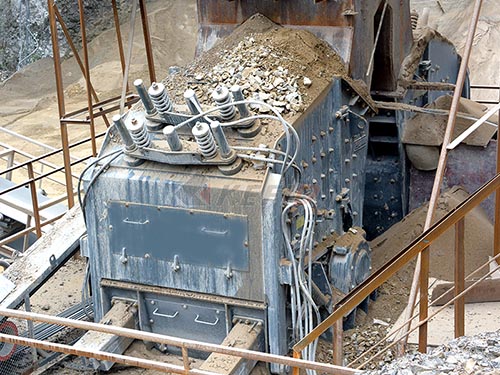
Conclusion
The impact crusher represents sophisticated application fundamental physics serving as cornerstone modern aggregate mineral processing recycling industries Its ability deliver high-quality cubical product efficiently handle diverse feedstocks makes it irreplaceable tool However successful deployment requires careful analysis feed material characteristics operational goals total cost ownership understanding inherent trade-offs between superior shape potential higher wear costs abrasive applications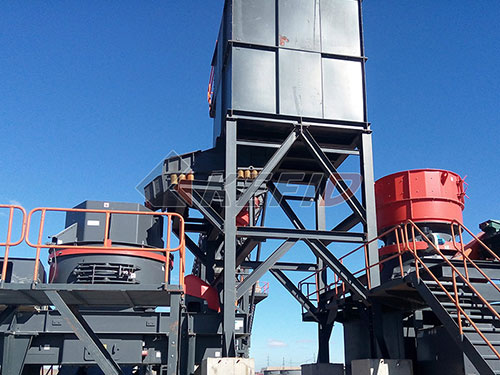
As demands sustainable construction practices continue grow alongside need precise specification aggregates technological evolution impact crushing will undoubtedly focus enhancing durability through advanced materials science improving energy efficiency deeper integration digital twin predictive analytics ensuring these dynamic machines remain at forefront industrial productivity far foreseeable future
