
In the dynamic world of aggregate processing, mining, and construction, impact crushers stand as pivotal equipment for size reduction. Their ability to produce a well-shaped, cubical product efficiently makes them indispensable. For businesses looking to invest, understanding the landscape of impact crusher distributors and factory pricing is crucial for making an informed, cost-effective procurement decision. This detailed guide delves into the technical aspects of impact crushers, the role of distributors, and the factors that influence their price from the factory floor to the end user.
Before discussing distribution and price, it’s essential to grasp what an impact crusher is and what it does. Unlike jaw or cone crushers that utilize compression, impact crushers apply high-speed impact force to fracture material. A rotor with blow bars or hammers rotates at high velocity, striking the fed material and throwing it against stationary anvils or breaker plates (in horizontal shaft impactors – HSIs) or against a surrounding crushing chamber (in vertical shaft impactors – VSIs). This violent impact causes the rock to break along its natural fissures.
Key Applications Include:
The choice between HSI (better for softer materials, primary/secondary crushing) and VSI (ideal for producing fines and shaping aggregate) significantly impacts machine selection and cost.
Impact crushers are capital-intensive machinery manufactured by a range of companies globally. The supply chain typically follows this path:
Original Equipment Manufacturer (OEM): Companies like Metso Outotec, Sandvik, Terex (including Powerscreen and Finlay), Kleemann (Wirtz Group), Hazemag (part of Terex), Eagle Crusher, Stedman Machine Company, Rubble Master, and many Chinese manufacturers like SBM Machinery are the source. They design, engineer, and assemble the crushers.
Regional Distributors/Dealers: OEMs rarely sell directly to most end customers. They appoint authorized distributors or dealers in specific territories (e.g., North America, Europe, Southeast Asia). These entities are critical intermediaries.
Value-Added Services by Distributors:
Choosing a distributor is as important as choosing the crusher itself. A reputable distributor with strong local support ensures maximum uptime—a key factor in calculating total cost of ownership (TCO).
The “factory price” quoted by an OEM is not a random figure but a reflection of engineering complexity manufacturing costs market positioning Here are primary factors that determine it: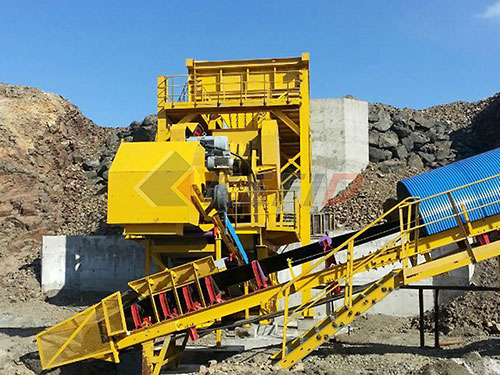
Machine Capacity & Size: This is the most obvious factor A high-capacity primary impactor capable of processing 800 TPH will be exponentially more expensive than a compact track-mounted unit for recycling at 250 TPH Larger machines require more steel heavier-duty components larger motors
Technology & Features:
Wear Parts Metallurgy & Design: The quality composition of blow bars martensitic ceramic composites etc directly impacts longevity price Premium wear parts made from high-chrome alloys can cost substantially more upfront but offer better cost-per-ton crushed in abrasive applications
Mobility Configuration:
Drive System Configuration:
Brand Equity & Origin:
Established European North American brands often carry price premium associated decades R&D engineering reliability perceived quality Many Chinese manufacturers offer competitive factory prices focusing value segment though quality spectrum varies widely among them
Market Conditions Economic Factors:
Global steel prices supply chain logistics tariffs trade policies labor costs all feed final factory gate price Fluctuations raw materials can cause periodic adjustments
When evaluating quotes understanding following concepts essential:
Lorem ipsum dolor sit amet, consectetur adipisicing elit. Consectetur sequi saepe ut sunt eveniet perferendis excepturi, iste obcaecati. Qui tempore hic sed quia soluta obcaecati vel.