
In the vast and demanding world of aggregate processing, mining, and construction, the reduction of large, raw materials into smaller, usable sizes is a fundamental operation. Among the various machines designed for this task, the impact crusher stands out as a versatile and highly efficient solution. Sourcing platforms like Alibaba.com have made these machines more accessible than ever, offering a global marketplace for a wide array of models. This article provides a detailed, professional overview of impact crushers, delving into their working principles, different types, key components, advantages, limitations, and primary applications to inform potential buyers and industry professionals.
At its core, an impact crusher operates on the principle of dynamic impact. Unlike jaw crushers that use compression or cone crushers that utilize a combination of compression and attrition, impact crushers accelerate the feed material and violently hurl it against hard surfaces or other pieces of rock. This rapid transfer of kinetic energy causes the material to fracture along its natural fissures and weaknesses.
The process within a standard horizontal-shaft impactor can be broken down into three stages: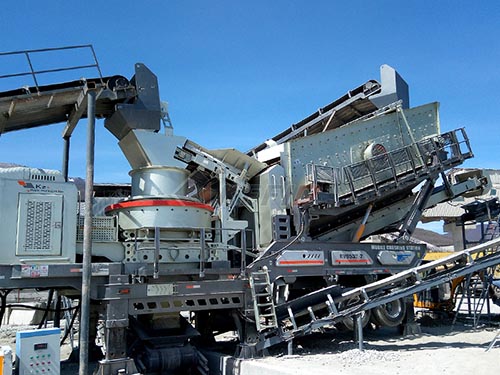
This mechanism results in a well-defined cubical end product, which is one of the most significant advantages of impact crushing technology.
Impact crushers are primarily categorized into two main configurations: Horizontal Shaft Impactors (HSI) and Vertical Shaft Impactors (VSI). Each type is engineered for specific applications and offers distinct benefits.
1. Horizontal Shaft Impactor (HSI)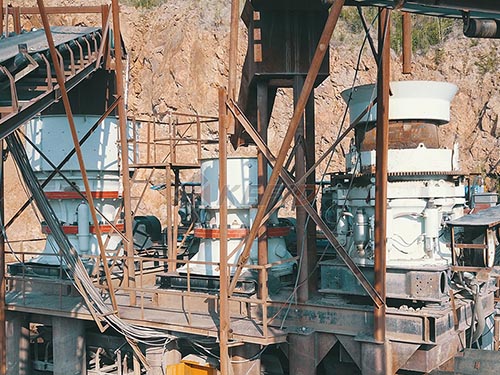
The HSI is the most common configuration found in aggregate recycling and limestone quarries. Its design features a horizontal shaft that rotates, to which blow bars are fixed.
Key Components:
Applications: HSI crushers are ideal for processing soft to medium-hard materials with low to moderate abrasiveness.
2. Vertical Shaft Impactor (VSI)
The VSI features a vertically oriented shaft. Material is fed into the center of the rotor and is then accelerated outward by centrifugal force into a stationary anvil ring or rock shelf.
Key Components:
Working Modes:
Applications: VSI crushers excel at producing highly cubical products and fine sands (“manufactured sand”). They are used for:
A third category worth mentioning is mobile impact crushers—self-propelled units that combine an impact crusher (usually HSI) with a feeder, screen,and conveyor on a single chassis.They offer unparalleled flexibility for contractors working on multiple sites or needing on-site recycling capabilities.
Impact crushers hold several distinct advantages that make them suitable for specific roles within a crushing circuit:
No machineis perfectforall situations,andimpactcrusherscomewiththeir own setof limitations:
High Wear Costsin Abrasive Applications:Thisisthe mostsignificant drawback.Blowbarsandapronswearrapidlywhenprocessing highly abrasive materialslike graniteor quartzite.Wear part replacementcostscan quicklyerodeanyinitial savingsin purchasepricecomparedtoaconecrusher.The Total CostofOwnership(TCO)mustbe carefully calculatedforabrasivefeeds.
Sensitivityto Moistureand Clay: Stickyor moistmaterialscan clogthecrushingchamberandreducethe efficiencyoftheimpactprocess.Pre-screeningor scalpingis often necessaryto removefinesandclaybeforethematerialenterstheimpactcrusher.
Higher Energy Consumption: Operatingat highspeedsto acceleratematerialrequiresmorehorsepowerper tonoffinishedproductcomparedtosomecompression-basedcrushersthatoperateat lowerspeeds.
Less Controlover TopSize: Whiletheyproduce excellent shape,the top sizeofproductfromanHSIcanbemore variablethanthatfromajawor conecrusherequippedwithalineresetting system.
Platforms like Alibaba.com offer an immense selectionofimpactcrushersfrommanufacturers worldwide.When evaluatingoptions,a buyer should consider:
1.Material Characteristics: Whatisthe hardness ,abrasiveness ,moisturecontent ,andsizedistributionofthefeedmaterial?For soft ,non-abrasive materialsanHSIissuitable.For very hard ,abrasive rock,aVSImaybebetter,butwearcostswillbehigh;aconecrushermightbeamoreeconomicalchoice.
2.Desired Product Specifications: Whatfinalproductsizesare required?Is particle shapea criticalfactor(e.g.,formanufacturedsand)?VSIscrusherstypicallyexcelatfinesproductionandshapeoptimization.
3.Capacity Requirements: Whatistherequiredthroughputintonsperhour?ManufacturersonAlibabawillprovidecapacityranges,buttheseareoftenbasedonidealconditions;realisticadjustmentsmustbemade.
4.Wear Part AvailabilityandCost: Inquireabouttheexpectedservice lifeofblowbarsandanvilsforthespecificmaterialtobeprocessed.Easilyavailableandsomewhatstandardizedwearpartsareahugeoperationaladvantage.Checkifthesuppliercanprovidecertifiedhigh-qualitywearpartsconsistently.
5.Mobility: Isastationaryplantrequired ,ora mobileimpactcrushernecessaryforthemission’sflexibility?Alibabaoffersnumerousoptionsforboth.*
Theimpactcrusherremainsapillarofmodernmaterialssize-reductiontechnology.Itsabilitytoproducehigh-quality,cubicalaggregatesefficientlymakesitindispensableinmanyquarrying ,recycling ,andindustrialapplications.Itsselection ,however,mustbeguidedbyathoroughunderstandingofthematerialtobecrushed,thedesiredproductspecifications,andatotalcost-of-ownershipanalysis.ForbuyersnavigatingglobalmarketplaceslikeAlibaba.com,havingthisprofessionalknowledgeempowersthemtoasktherightquestions,evaluatesupplierscritically,andultimatelyselecttheimpactcrushingequipmentthatwilldeliverthebestlong-termvaluefortheiroperation
Lorem ipsum dolor sit amet, consectetur adipisicing elit. Consectetur sequi saepe ut sunt eveniet perferendis excepturi, iste obcaecati. Qui tempore hic sed quia soluta obcaecati vel.