A Comprehensive Guide to the Methods and Mechanics of Crushing Cinder Blocks
Cinder blocks, also known as concrete masonry units (CMUs), are ubiquitous in construction for their strength, durability, and cost-effectiveness. However, there are numerous scenarios where crushing these blocks becomes necessary: for demolition projects, creating aggregate for new concrete or drainage beds, landscaping purposes, or even for specialized training and demonstrations. The process of crushing cinder blocks is not a matter of brute force alone; it is an application of physics, material science, and proper technique. This guide provides a detailed examination of the methods, safety protocols, and underlying principles involved in effectively and safely reducing cinder blocks to rubble.
Section 1: Understanding the Material and Prioritizing Safety
Before attempting to crush any cinder block, it is imperative to understand what you are working with and the inherent dangers.
1.1 The Composition of Cinder Blocks
Modern “cinder” blocks are predominantly made from Portland cement and aggregates. Historically, they used coal cinders, hence the name, but today’s versions typically use fine gravel and sand. This composition results in a brittle material with high compressive strength but relatively low tensile strength. This fundamental property—strong against squashing forces but weak against bending or impact forces—is the key to all crushing methods. The density and quality of the block can vary significantly; lighter-weight blocks may be easier to break, while high-strength CMUs used in load-bearing walls will present a greater challenge.
1.2 Non-Negotiable Safety Protocols
The process of crushing cinder blocks generates high-velocity debris, dust, and sharp fragments. Adherence to strict safety measures is not optional.
- Personal Protective Equipment (PPE):
- Eye Protection: Safety goggles that seal around the eyes are mandatory. Standard safety glasses are insufficient as they do not prevent fine dust or particles from entering from the sides or top.
- Hand Protection: Heavy-duty, puncture-resistant gloves (e.g., leather or Kevlar-lined) are essential to protect against sharp edges and abrasions.
- Respiratory Protection: A NIOSH-approved N95 respirator or better is required to prevent inhalation of crystalline silica dust, a known carcinogen and cause of silicosis.
- Foot Protection: Steel-toed boots protect feet from falling blocks or tools.
- Hearing Protection: Many mechanical methods produce significant noise; earplugs or earmuffs are recommended.
- Work Area Safety:
- Ensure the work area is clear of bystanders, pets, and unnecessary obstacles.
- Work on a stable, level surface. For manual methods, a solid earth or concrete base is ideal.
- Have a first-aid kit readily accessible.
Section 2: Manual Crushing Methods
For smaller-scale projects involving a few dozen blocks or less, manual methods are practical and require minimal investment in equipment.
2.1 Using a Sledgehammer
This is the most common and straightforward manual technique.
- Technique:
- Positioning: Place the cinder block on a solid, immovable surface like hard ground or another intact block. Placing it on soft soil or grass will absorb much of the impact energy.
- Stance: Adopt a stable stance with your feet shoulder-width apart.
- Targeting: Do not aim for the center of the hollow cell. Instead, target the solid webs—the concrete sections between the holes. These are structural weak points when struck with sufficient force.
- Execution: Use a controlled but powerful swing, allowing the weight of the sledgehammer head (an 8-10 lb hammer is ideal) to do most of the work. The goal is a sharp impact that creates a shockwave through the brittle material.
- Mechanics: The sledgehammer delivers a high-momentum impact that creates localized stress concentrations far exceeding the block’s tensile strength, causing it to fracture along its natural fault lines.
2.2 Using a Manual Tamper or Jackhammer
For more controlled breaking or for breaking blocks that are still mortared into a structure.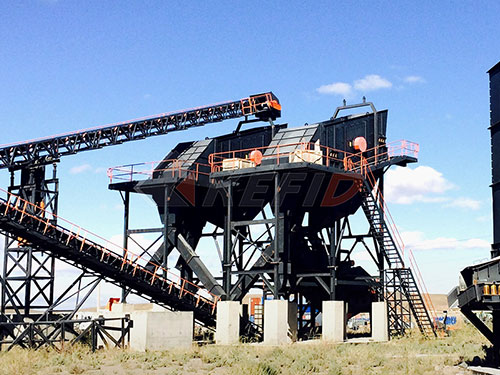
- Technique: Position the point of the tamper or jackhammer on a web or edge of the block and apply downward force (for a manual tamper) or allow the tool’s mechanism to operate (for a jackhammer).
- Mechanics: This method applies sustained compressive and percussive force directly to a small area, effectively “peeling” the block apart from that point of contact.
Section 3: Mechanical Crushing Methods
For large-scale projects involving hundreds of blocks or entire walls mechanical solutions are necessary for efficiency.
3.1 Using a Jaw Crusher
This is the industrial standard for processing large volumes of concrete and cinder block rubble into consistent-sized aggregate.
- Process: A jaw crusher consists of two vertical jaws—one stationary and one that moves in an elliptical motion. The material is fed into the top opening between the jaws.
- Mechanics: As the movable jaw presses against the fixed jaw,the cinder blocks are subjected to immense compressive force.This force repeatedly crushes them against themselves until they are small enough to fall through the gap at the bottom.The size of this gap determinesthe final aggregate size.Thisisapureapplicationofcompressivestrengthovercomingthematerial’sinternalstructure.Itisthemostefficientmethodforproducingrecycledconcreteaggregate(RCA).
3 .2UsingaHydraulicPress
While less commoninfielddemolition ,hydraulicpressesareexcellentforcontrolledtestingordemonstrations .
- Process :Thecinderblockisplacedonthepress ‘splat en,andahydraulicramappliesasteadilyincreasingloaduntiltheblockfails .
- Mechanics :Thismethodappliesanear -perfectuniaxial(one -direction)compressiveload .Theblockwilltypicallyfailbycrushingatitsultimat ecompressivestrength ,whichforastandardCMUcanrangefrom1 ,500toover4 ,000pounds persquareinch(psi) .
3 .3UsingaSkid -SteerLoaderwithaBreakerorCrusherAttachment
Thisisahighlymobileandpowerfuloptionfordemolitionprojects .
- Process :Attachmentslikehydraulicbreakers(“hammers”)deliverpowerful ,rapidimpacts tomimicajackhammeronamassivescale .Crusherattachments ,whichfunctionlikesmall ,mobilejawcrushers ,canbebittedirectlyintowallsorpilesofrubble .
*Mechanics :Theseattachmentsleveragehydraulicpowerfromtheloader ‘sengine todeliverforcesfar beyondhumanorhand -toolcapabilities .
Section4 :SpecializedTechniques :FocusonPhysicalDemonstrations
Thespectacleofapersonbreakingacinderblockwiththeirbarehandsisapopulardemonstrationinmartialarts .Itiscrucialtounderstandthatthisisnotprimarilyatestofbonehardnessbutanapplicationofphysicsandprecisetechnique .
4 .1ThePhysicsofBreakingwithaBareHand
*KeyPrinciple :ImpulseandStressConcentration .**Thegoalistodeliverahigh -impulseforcetoaverysmallarea ,creatinganenormousstress(force perunitarea)that exceedstheblock ‘stensilestrength .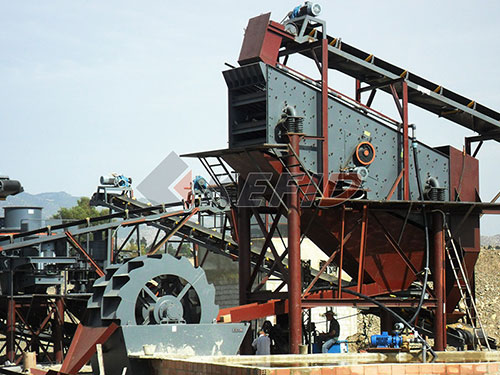
- Technique Breakdown :
1 .Setup :Theblockismostoftenplacedon twosolid supports(e.g.,twoothercindersblocks)withitsmiddlespanningthegapunsupported .Thiscreatesabendingmoment .
2.Target :Thepractitionerdoesnotaimforthesolidtopoftheblockbutforthecenterjustabovehollowcell .
3.Strike :A palm heel strikeispreferredoverapunchasitallowsforbetterforce transferand reducesriskoffingerinjury .Thestrikemustbeextremelyfastandfocused ,aimingt o”strikethrough”thetarget ,notjusthititsurface .
4.MechanicsinAction :Therapiddownwardforceatthecenter causesthetopsurfacetocompressandthebottomsurfacetostretch(tension) .Sincetheconcreteisveryweakintension ,amicroscopiccrackformsonthebottomandpropagatesupwardsthroughthematerialata speedexceeding3 ,000meterspersecond ,splittingtheblockcleanly .
CrucialNote :Attemptingthiswithoutpropertrainingonspecific ,purpose -madetrainingblocksresultsinsevereinjuryincludingbrokenbones ,sprains ,andlacerations .Professionalguidanceisabsolutelyessential .
Section5 :PracticalApplicationsfortheCrushedMaterial
Onceyouhavesuccessfullycrushedyourcinderblocks youareleftwithavaluablematerialknownasrecycledconcreteaggregate(RCA).
- PaverBase :Crushedcinderblockisanexcellentsubbasematerialforpatiopaversorflagstone asitcompacts wellandprovidesstabilityanddrainage .
- DrainageBeds :Placedinfrench drainsordrywells,theangularrubblecreatesvoidsthatallowwatertopermeateasily .
- Backfill :Itcanbeusedasbackfillforretainingwallsortrench eswherenativesoilisunsuitable .
- NewConcreteAggregate :Inlarger -scaleoperations RCAiscleanedandsortedforuseasanaggregateinnewstructuralconcrete reducingtheneedforvirginmaterials .
Conclusion
Crushingcinderblocks whetherforsmall -scaledemolition industrialrecyclingorasaphysicaldemonstration isaskillthatbenefitsfromanunderstandingofthematerial ‘spropertiesandscientificprinciples Fromtheselectivetargetingofa sledgehammertotheimmensecompressiveforceofajawcrusher eachmethodleveragesthebrittlenatureofconcretetoachieveefficientfracture Byrigorouslyadheringtosafetyprotocolsandchoosingtheappropriatemethodforthescaleandpurposeoftheproject anyonecantransformthese sturdybuildingblocksintoausefulsecondaryresource
