
The story of Texas is etched in its limestone. From the iconic state capitol building in Austin to the vast network of interstate highways crisscrossing its terrain, crushed limestone has been a fundamental, if often overlooked, engine of the state’s growth. The history of its systematic extraction and crushing is not merely a tale of quarrying but a narrative intertwined with technological innovation, economic booms, and the very shaping of the Texan landscape. This industry evolved from simple, labor-intensive pit operations into a highly mechanized and vital sector that continues to underpin modern infrastructure.
The Early Foundations: Settlement and Simple Extraction (19th Century to Early 20th Century)
Before the advent of industrial crushing, limestone was used by indigenous peoples and early settlers for building and lime production. The real genesis of the industry began with the needs of a growing population and the expansion of railroads in the late 19th century.
Initially, limestone was quarried using rudimentary methods. Teams of workers would drill holes by hand, pack them with black powder, and blast loose large slabs of rock. The subsequent breaking down of this rock was immensely laborious, involving sledgehammers and manual hammers. The primary product was “road metal” or “ballast”—irregularly sized crushed stone used to create stable foundations for railroad beds and the few paved roads that existed. The quality and consistency were variable, but it served the immediate purpose.
The first major technological leap was the introduction of mechanical rock crushers. The Blake Jaw Crusher, patented in 1858, became a workhorse in these early operations. Using a simple but powerful principle of a fixed and a movable jaw plate, it could reduce large rocks to manageable sizes with far greater efficiency than manual labor. These early crushers were often portable or semi-portable, powered by steam engines, and set up near construction sites for railroads or major public works.
A key driver in this era was construction itself. The demand for limestone as dimension stone (cut into blocks) and crushed aggregate grew with cities like San Antonio, Austin, and Dallas. The selection of limestone from Oak Hill for the Texas State Capitol building in the 1880s is a prime example, though that project focused on dimension stone; the vast quantities of waste rock generated from cutting likely found their first economic use as crushed aggregate, hinting at the integrated nature of the industry to come.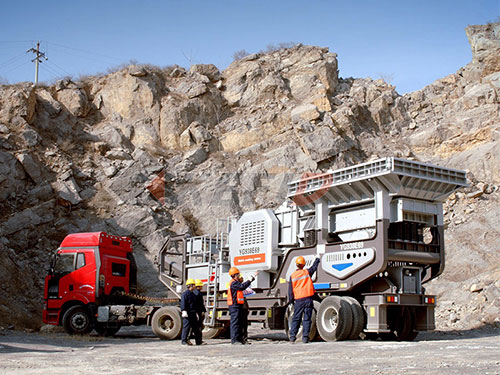
The Boom Period: Highways, Technology, and Scale (Mid-20th Century)
The single most significant catalyst for the modern limestone crushing industry was the Federal-Aid Highway Act of 1956, which launched the Interstate Highway System. Texas, with its immense size and growing automotive culture, became a massive construction site overnight. This created an unprecedented demand for high-quality aggregate—the crushed stone that forms the base layer and surface material for asphalt and concrete pavements.
This demand spurred several critical developments:
Modernization Regulation Consolidation Late Century Present Day
From late century onward industry entered phase characterized increased automation environmental regulation corporate consolidation
Environmental Stewardship Regulatory Compliance
As public awareness environmental issues grew so did regulatory framework governing mining operations Texas Commission Environmental Quality TCEQ along local authorities began enforcing stricter rules dust control noise mitigation water runoff management reclamation Modern quarries employ extensive systems water spray trucks dust suppression additives cover conveyor belts design sedimentation ponds treat stormwater Before permit even issued detailed reclamation plan must submitted outlining how land will restored beneficial use post-mining often wildlife habitat recreational areas reservoirs
Technological Sophistication
Modern crushing plant highly automated computer-controlled operation Primary secondary tertiary crushing stages often linked series conveyor belts with sophisticated screens routing material back through circuit achieve desired product size This maximizes efficiency minimizes waste Many plants now utilize GPS laser-guided surveying drones stockpile management ensure precision inventory control logistics
Economic Consolidation Globalization
Industry has seen significant consolidation Major multinational corporations like Martin Marietta Vulcan Materials HeidelbergCement through its Lehigh Hanson subsidiary now dominate landscape These entities bring capital expertise conduct large-scale operations across multiple states This consolidation has led economies scale but also changed dynamics local markets
Specialization Diversification Products
Beyond basic road base asphalt aggregate modern plants produce wide array specialized products
This diversification has allowed producers maximize resource utilization minimize waste enhancing overall profitability sustainability operation
Current Landscape Future Challenges
Today Texas one largest producers crushed stone United States Hundreds quarries dot landscape particularly concentrated geologic formations rich high-quality limestone Edwards Plateau central region Industry remains cornerstone state economy not only providing essential construction materials but also employing thousands Texans high-wage jobs directly indirectly supporting countless more logistics equipment manufacturing engineering sectors
Looking forward industry faces several key challenges opportunities
1 Urban Encroachment NIMBYism: As cities expand formerly remote quarries find themselves proximity residential developments leading conflicts over noise dust truck traffic blasting This requires enhanced community engagement superior operational practices mitigate impacts
2 Sustainable Logistics: With longer haul distances from quarry job site fuel efficiency trucking routes major cost environmental concern Some producers investing rail load-out facilities reduce road congestion emissions
3 Resource Depletion: While vast reserves remain highest quality easily accessible deposits being depleted This may lead deeper mining processing lower-grade ores increasing costs driving further technological innovation beneficiation techniques
4 Water Nexus: Particularly drought-prone regions like Texas water usage dust suppression reclamation significant consideration driving adoption recycled water systems
In conclusion history limestone crushing industry Texas mirror state own dramatic development It began as brute-force necessity build railroads settlements matured technological powerhouse fueled nations greatest public works project Interstate Highway System has evolved into sophisticated highly regulated globalized business Its legacy literally paved way Texan prosperity As state continues grow rebuild innovate its foundational bedrock—crushed processed shaped human ingenuity—will undoubtedly remain essential component its future
Lorem ipsum dolor sit amet, consectetur adipisicing elit. Consectetur sequi saepe ut sunt eveniet perferendis excepturi, iste obcaecati. Qui tempore hic sed quia soluta obcaecati vel.