High-Quality Iron Ore Crushing Plant Datasheet: Design, Components, and Operational Excellence
1.0 Executive Summary
A High-Quality Iron Ore Crushing Plant is a capital-intensive, engineered system designed to reduce mined iron ore (run-of-mine or ROM) into a finely crushed, optimally sized product for downstream beneficiation processes, most notably pelletizing or sintering. Its primary objective is not merely size reduction but the efficient, reliable, and consistent production of a calibrated feed that maximizes the recovery and grade of the final iron ore product. This datasheet provides a comprehensive technical overview of such a plant, detailing its design philosophy, core components, process flow, key performance indicators (KPIs), and critical considerations for achieving operational excellence in the demanding mining environment.
2.0 Introduction & Design Philosophy
The design of a high-quality crushing plant transcends basic rock-breaking functionality. It is governed by a holistic philosophy integrating:
- Feed Characteristics: The plant is tailored to specific ore properties—Unconfined Compressive Strength (UCS), abrasion index (Ai), moisture content, clay presence, and feed size distribution.
- Product Specifications: The target size for blast furnace feed is typically below 31.5mm (or finer for direct reduction), with strict limits on ultra-fines generation.
- Capacity & Availability: Designed for high throughput (often 2,500 to over 10,000 tph) and mechanical availability exceeding 95%, ensuring alignment with mine output and processing schedules.
- Operational Efficiency: Minimizing energy consumption per ton crushed (kWh/t) and wear costs are paramount.
- Modularity & Flexibility: Modern designs often employ modular sections for easier expansion, relocation, and maintenance access.
- Environmental & Safety Compliance: Encompassing dust suppression, noise control, vibration management, and safe access for maintenance.
3.0 Process Flow Description
A typical three-stage crushing circuit is standard for hard, abrasive iron ores like hematite or magnetite.
3.1 Primary Crushing Station:
Located near the mine pit for logistical efficiency. A primary gyratory crusher (e.g., 60″x89″ or larger) receives ROM ore directly from haul trucks via a dump pocket. It performs initial reduction from meter-sized boulders to approximately 150-250mm product. Key features include a rugged design, hydraulic setting adjustment for wear compensation, and automated control systems.
3.2 Secondary Crushing Stage:
The primary crusher discharge is conveyed to a surge bin or stockpile via a conveyor equipped with metal detection and tramp iron removal systems. Feeders (e.g., vibrating grizzly feeders) regulate material flow into secondary crushers—typically cone crushers configured in either an open or closed circuit with sizing screens.
- Cone Crushers: Heavy-duty models with robust mantles and concaves are used. Modern units feature advanced crushing chambers designs (like constant liner performance technology) and hydraulic clearing systems to minimize downtime from uncrushable material.
3.3 Tertiary & Quaternary Crushing Stages:
For final product sizing and achieving a cubicle particle shape essential for optimal blast furnace permeability, tertiary cone crushers operate in closed circuit with vibrating screens. In some high-quality plants requiring very controlled fines production or processing heterogeneous ore blends, a quaternary stage may be added.
- Screens: High-capacity multi-deck banana screens or linear motion screens are employed for efficient separation at cut points like 32mm and 10mm.
3.4 Material Handling System:
An extensive network of high-strength steel cord belt conveyors forms the plant’s circulatory system. Critical design aspects include impact idlers at loading points to protect belts from heavy loads; dust sealing systems; belt misalignment monitors; and fire suppression systems.
4.0 Core Equipment Specifications & Technology
4.1 Crushers:
- Primary Gyratory Crusher: High capacity (>5,000 tph), steep crushing chamber geometry.
- Key Specs: Feed opening >1,500mm; Power rating >750 kW; Hydraulic adjustment range >200mm.
- Secondary/Tertiary Cone Crusher:
- Key Specs: Head diameter up to ~84″; Power up to 1,000 kW; Advanced bowl thread clamping systems; Automated wear monitoring via laser scanning or cavity profiling systems.
4.2 Screens:
- Type: Double-deck or triple-deck heavy-duty vibrating screens.
- Key Specs: Large screening area (>30m²); High G-force linear motion (4-6g); Polyurethane or rubber modular screen decks for longevity and reduced noise.
4.3 Conveyors:
- Key Specs: Belt widths up to 2m+; Speeds up to 6 m/s; Dynamic braking systems on downhill sections; Rip detection systems.
4.4 Dust Suppression & Control:
A multi-tiered approach is critical:
- Suppression: Fine water sprays at all transfer points using atomized nozzles that envelop dust particles without over-wetting the ore.
- Collection: Baghouse filter units or electrostatic precipitators at enclosed transfer towers capture fugitive dust.
- Containment: Skirting seals on conveyors and enclosed galleries prevent dust escape.
5.0 Electrical & Control Systems
The plant’s “nervous system” ensures optimization and reliability.
- Distributed Control System (DCS): Centralized control room overseeing the entire process with SCADA interfaces providing real-time visualization of equipment statuses (motor currents bearing temperatures vibration levels).
- Programmable Logic Controllers (PLCs): Manage local logic sequences interlocking conveyors feeders crushers ensuring safe start-up/shutdown sequences preventing material blockages overloads protecting downstream equipment from upstream failures
- Advanced Process Control (APC): Sophisticated software algorithms dynamically adjust crusher settings feeder rates based on power draw cavity levels optimizing throughput product size distribution while minimizing energy consumption
- Key parameters monitored include crusher power draw chamber pressure CSS measurement via laser vision belt scales metal detector alarms
6 Key Performance Indicators KPIs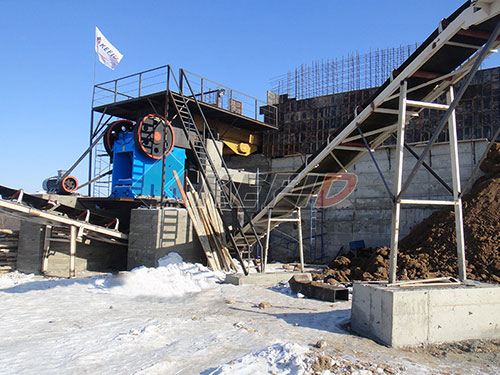
Operational success measured through following metrics:
- Throughput tons per hour tph averaged over sustained operating periods
- Product Size Distribution PSD percentage passing target sieve sizes e.g., % passing mm % passing mm
- Plant Availability scheduled operating time minus downtime due mechanical electrical issues expressed as percentage target >
- Overall Equipment Effectiveness OEE combines availability performance rate quality rate
- Wear Cost USD per ton crushed covering liners screen media conveyor belts
- Energy Efficiency kWh per ton of final crushed product
7 Maintenance Strategy
Predictive condition-based maintenance cornerstone high-quality operation reactive repairs minimized:
- Vibration Analysis continuous online monitoring crusher bearings screen exciters gearboxes detecting imbalance misalignment early bearing failure
- Thermography infrared imaging electrical connections motor windings conveyor idlers identifying hot spots before catastrophic failure
- Oil Analysis regular sampling lubricating oils checking viscosity contamination wear metal particles indicating internal component degradation
- Wear Part Management strategic stockholding critical wear parts mantles concaves screen decks based on historical life data planned changeouts during scheduled shutdowns
8 Environmental Health Safety EHS Considerations
Integrated into every design operational aspect:
- Noise Abatement acoustic enclosures around crushers lined chutes rubber screen decks sound-damped buildings operator cabins
- Water Management closed-loop water recycling systems dust suppression minimizing freshwater consumption treating any runoff sediment ponds
- Structural Safety seismic design regions prone earthquakes robust foundations dynamic load analysis wind loads
- Worker Safety guarded moving parts safe access platforms ladders lock-out tag-out LOTOsystems emergency stop pull cords throughout conveyor lines
Conclusion
A High-Quality Iron Ore Crushing Plant represents sophisticated integration mechanical engineering materials science automation It dynamic system where reliability efficiency precision converge transform raw ore into precisely controlled feedstock modern steelmaking Continuous investment advanced technology data-driven maintenance proactive safety culture essential achieving stringent production targets sustainably profitably This datasheet outlines foundational elements such facility underscoring that true quality measured not just instantaneous output but consistent performance over entire lifecycle asset
