A Comprehensive Guide to Hammer Mill Suppliers Inspection: Ensuring Quality, Performance, and Value
The procurement of a hammer mill is a significant capital investment for any operation in industries such as agriculture, biomass processing, mining, or food production. The performance of this machine directly impacts product quality, operational efficiency, and overall profitability. Consequently, the process of selecting a supplier and inspecting the equipment before purchase is a critical undertaking that should not be underestimated. A thorough hammer mill suppliers inspection goes far beyond simply comparing price tags; it is a multi-faceted due diligence process that evaluates technical capabilities, manufacturing quality, service support, and long-term reliability.
This guide provides a detailed framework for conducting a professional inspection of hammer mill suppliers and their equipment.
Phase 1: Pre-Qualification of Suppliers: The Foundation of Inspection
Before any physical inspection occurs, a rigorous pre-qualification process must be conducted to narrow the field to serious and capable contenders.
1. Technical Capability Assessment:
- Experience and Specialization: Investigate the supplier’s history. How long have they been manufacturing hammer mills? Do they specialize in mills for your specific industry (e.g., fine grinding for flour vs. coarse grinding for animal feed)? A supplier with a proven track record in your niche is preferable.
- Engineering Expertise: Assess their design capabilities. Do they employ in-house engineers who can customize the mill to your specific needs (moisture content, desired particle size, raw material characteristics)? Request documentation like design calculations or Finite Element Analysis (FEA) reports on critical components like the rotor assembly.
- Compliance and Certification: Verify that the supplier holds relevant international quality management certifications, such as ISO 9001. For food or pharmaceutical applications, certifications like GMP (Good Manufacturing Practice) are non-negotiable. Ensure their equipment meets necessary safety standards (e.g., CE, OSHA guidelines).
2. Manufacturing and Quality Control Audit:
- Facility Tour (Virtual or On-Site): Request a tour of the manufacturing facility. Pay attention to the organization, cleanliness, and the quality of machinery used (e.g., CNC machines for precision parts). Observe the welding processes—consistent, clean welds on the mill housing and internal components are indicative of quality.
- Quality Control Protocols: Inquire about their QC procedures at every stage: raw material inspection (certifications for steel grades), in-process inspection during machining and assembly, and final performance testing. Ask for documented evidence of these procedures.
- Sub-Supplier Vetting: The quality of key components like bearings, motors, and screens is paramount. A reputable supplier will transparently disclose their sub-suppliers (e.g., SKF or FAG for bearings, WEG or Siemens for motors) and provide certificates of authenticity.
3. Commercial Evaluation:
- Reference Checks: Ask for a list of recent clients in similar industries and contact them directly. Inquire about machine performance, durability, ease of maintenance, and the supplier’s after-sales support responsiveness.
- Warranty and Support Terms: Scrutinize the warranty policy. What is covered (parts? labor?) and for how long? A comprehensive warranty often reflects the supplier’s confidence in their product’s durability.
- Total Cost of Ownership (TCO): Look beyond the initial purchase price. Calculate TCO by factoring in energy consumption (efficiency of design), expected lifespan of wear parts (hammers, screens), availability/cost of spare parts, and potential downtime costs.
Phase 2: Physical Equipment Inspection: The Hands-On Evaluation
Once a shortlist of qualified suppliers is established, a detailed physical inspection of the hammer mill unit(s) should be conducted.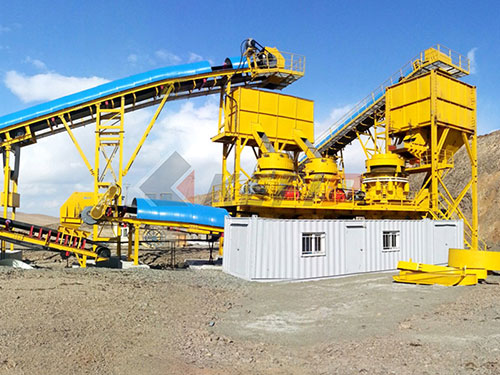
1. Construction Integrity & Materials:
- Housing/Casing: The mill’s housing should be constructed from thick, durable plate steel. Inspect weld seams for consistency and penetration—poor welding can lead to cracks under cyclic loading.
- Rotor Assembly: This is the heart of the hammer mill.
- Rotor Shaft: It should be made from high-tensile strength alloy steel, precision-machined and dynamically balanced to prevent vibration.
- Hammers/Beaters: Check the material grade (e.g., T1 tool steel, D2) and hardening process (e.g., induction hardening). Inspect the mounting mechanism; it should allow for easy reversal or replacement.
- Discs/Spacers: Ensure they are robustly constructed to withstand centrifugal forces without deformation.
- Screens/Sieves: Inspect the screen material (e.g., hardened steel, stainless steel), perforation accuracy (are hole sizes consistent?), and method of mounting/replacement.
2. Design Features & Ease of Maintenance:
- Accessibility: How easy is it to access internal components? Look for features like large clamshell doors or top-opening housings that facilitate quick screen changes or hammer replacement.
- Screen Change Mechanism: Manual systems should be straightforward; inquire about optional hydraulic-assisted systems for larger mills to drastically reduce downtime.
- Reversible Hammers: Check if hammers can be reversed to utilize both edges before replacement—a key feature for reducing operating costs.
- Dust Containment & Airflow: Inspect sealing systems around shafts and doors to prevent dust leakage—a critical factor for safety (explosion risk) and product loss.
- Safety Features: Verify interlocks on access doors that cut power when opened. Check if explosion vents or suppression systems are available as options if processing combustible materials.
3.Component Quality & Branding:
As mentioned earlier but verified physically:
- Bearings: Locate bearing housings; they should be sized appropriately for the load with high-quality branded bearings from known manufacturers like SKF or NSK.
- Drive System: Inspect pulleys/sheaves; they should be dynamically balanced with proper guards in place.
Phase 3: Performance Testing & Data Verification
A static inspection is insufficient; witnessing an operational test with your material or similar feedstock provides invaluable data.
1.Test Run Parameters:
If possible supply your own raw material sample with consistent moisture content particle size etc
During test run monitor
Throughput Rate kg/h Measure accurately over fixed time
Particle Size Distribution Use sieve analysis post-grinding ensure meets specification
Energy Consumption kWht Measure power draw amperage relative throughput
Noise Level dB(A) High noise can indicate mechanical issues poor balancing
Temperature Rise Excessive heat generation product can degrade quality damage machine
Vibration Levels Use vibration meter excessive vibration indicates imbalance misalignment bearing issues
2 Data Analysis
Compare test data against suppliers technical specifications claims Significant deviations warrant investigation Supplier should provide detailed test report signed both parties
Phase 4 Post-Purchase Support Inspection
The relationship with supplier begins after payment Understanding support structure crucial
1 Spare Parts Availability Logistics
Inquire availability lead times critical wear parts hammers screens bearings rotors Emergency stock levels Just-in-time delivery guarantees Documentation clear part numbers exploded diagrams bill materials essential
2 Technical Support Service Network
Availability technical support phone email Response time guarantees On-site service engineers availability training Installation commissioning assistance provided Detailed operation maintenance manuals provided language required Software updates PLC controlled mills
Conclusion A Strategic Imperative Not an Administrative Task
A comprehensive hammer mill suppliers inspection systematic rigorous process separates reputable reliable partners from mere vendors By meticulously evaluating technical capability manufacturing quality physical construction performance data post-sales support organizations make informed strategic investment This diligence minimizes risk ensures new hammer mill becomes asset driving efficiency profitability rather than source constant operational headaches financial drain Ultimately time resources invested thorough upfront inspection pay substantial dividends throughout entire lifecycle equipment
