Gyratory Crusher Dealer Wholesale Price: A Comprehensive Guide for Industrial Buyers
In the world of heavy-duty mining, quarrying, and aggregate processing, the gyratory crusher stands as a cornerstone of primary crushing operations. For businesses investing in this critical equipment, navigating the landscape of gyratory crusher dealer wholesale price is a complex but essential task. This price is not merely a sticker figure; it is a multifaceted value proposition encompassing machine capability, total cost of ownership, dealer services, and long-term operational economics. This article provides a detailed, professional analysis of the factors influencing wholesale pricing, the structure of dealer networks, and strategic considerations for procurement.
Understanding the Gyratory Crusher: The Primary Crushing Workhorse
Before delving into pricing, it’s crucial to understand the product. A gyratory crusher consists of a fixed conical shell (concave) and a central gyrating mantle mounted on an eccentric shaft. Its primary advantage over jaw crushers is its higher capacity and continuous crushing action, making it ideal for high-tonnage applications like large-scale mines and major aggregate quarries. They are characterized by:
- High throughput: Can process thousands of tons per hour.
- Robust design: Built to handle the hardest ores and rocks.
- Long lifespan: With proper maintenance, core components can last decades.
This inherent complexity and scale immediately position gyratory crushers in a premium capital equipment category.
Deconstructing the Wholesale Price: Core Cost Components
The wholesale price quoted by an authorized dealer or OEM (Original Equipment Manufacturer) is built upon several foundational pillars:
1. Machine Specifications and Configuration:
- Size & Capacity: The most significant determinant. Prices scale dramatically with feed opening size (e.g., 42-65, 54-75, 60-109 models). A secondary crusher will be priced vastly differently from a primary unit for a mega-mine.
- Material & Manufacturing: The use of high-grade manganese steel for mantles and concaves, advanced metallurgy for the main frame and shaft, and precision machining for the eccentric assembly all contribute to cost.
- Technology & Features: Modern crushers include automated control systems (like ASRi), hydraulic setting adjustment, advanced lubrication systems with monitoring, and wear part optimization software. Each adds value and cost.
2. The Manufacturer/OEM Brand:
Established brands like Metso Outotec (Nordberg), FLSmidth (Fuller-Traylor), ThyssenKrupp Industrial Solutions, and Sandvik command a premium based on decades of R&D, proven reliability in extreme conditions, global spare parts networks, and engineering support. Lesser-known or regional manufacturers may offer lower initial prices but with potential trade-offs in longevity or support.
3. Dealer Markup and Value-Added Services:
A dealer’s wholesale price includes their margin, which funds critical services:
- Pre-sales Engineering: Site evaluation, flow sheet development, and model recommendation.
- Logistics & Installation Support: Transporting a 100+ ton assembly is a monumental task requiring specialized planning.
- Commissioning & Training: Ensuring optimal start-up and operator proficiency.
- Warranty & Aftermarket Support: A robust warranty package backed by responsive service engineers has tangible value.
The Wholesale Market Structure: Channels to Purchase
1. Authorized OEM Dealers/Distributors:
This is the most common channel for new equipment. They offer factory-backed warranties, genuine spare parts, and direct access to OEM technical expertise. Wholesale prices here are often negotiated based on project scope and long-term partnership potential.
2. Direct from OEM (For Large Projects):
For multi-million-dollar greenfield mining projects, buyers often negotiate directly with the OEM’s global sales team, bypassing local dealers. “Wholesale price” in this context becomes part of an EPC (Engineering, Procurement, Construction) or fleet deal.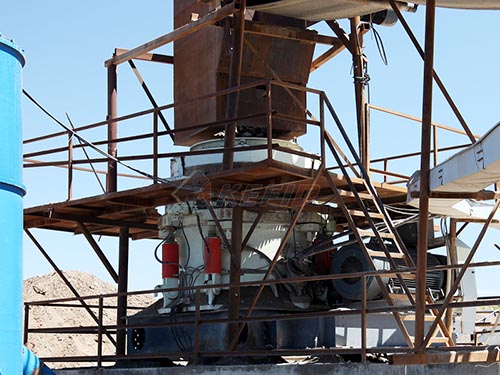
3. Used/Refurbished Equipment Dealers:
A significant market exists for rebuilt gyratory crushers. Prices can be 40-70% lower than new equipment. Key considerations include:
- Component History: Condition of the main shaft, sleeve,and frame.
- Refurbishment Standard: Was it merely painted or were critical components like bearings and seals replaced?
- Dealer Reputation: Specialized dealers offer inspected units with limited warranties.
4. Auction Houses & Liquidation Sales:
Prices here are highly volatile but can present opportunities during mine closures or corporate asset sales. This carries high risk regarding hidden wear or damage (“as-is” condition).
Key Factors Influencing Negotiated Wholesale Price
Beyond list prices,buyers can influence final cost through:
- Order Volume & Package Deals: Purchasing multiple units or bundling the crusher with screens,feeders,and conveyors strengthens negotiating position.
- Spare Parts Commitment: Agreeing to a long-term service agreement or initial spare parts package (e.g.,a set of mantles/concaves) can lead to discounts on the capital equipment.
- Payment Terms & Financing: Upfront cash payments or utilizing the OEM’s captive financing arm can sometimes adjust effective price.
- Market Conditions: During commodity booms (high iron ore,gold prices),demand surges,prices firm,and delivery times lengthen.In downturns,discounts may be more readily available as manufacturers seek to maintain production volume.
Total Cost of Ownership (TCO): The True Measure of Value
A professional procurement strategy looks beyond initial invoice price to TCO over a 15-20 year lifespan:
- Energy Consumption: Gyratory crushers are power-intensive.A more efficient design may have higher upfront cost but significantly lower operating expense.
- Wear Part Consumption & Cost: The lifecycle cost of mantles,bowls,and liners is substantial.Genuine OEM parts often last longer,yielding lower cost-per-ton crushed despite higher unit price.Dealer support in predictive change-out scheduling minimizes downtime cost.
- Maintenance Labor & Downtime: A reliable crusher with easy maintenance access designed-in saves thousands in labor hours.Downtime in mining can cost tens of thousands per hour.Dealer-supported preventative maintenance programs are invaluable.
- Residual Value: Equipment from top-tier brands with full service history commands higher resale value,a factor often overlooked in initial purchase decisions.
Strategic Recommendations for Buyers
- Define Requirements Precisely: Conduct thorough ore testing.Determine required throughput(TPH),feed size,and product size.This prevents overbuying(and overpaying)or selecting an under-capacity machine.
- *Request Detailed Proposals: Insist on itemized quotes separating machine base price,lubrication system,cooling system,tools,and initial spares.This aids comparison.Clear communication about EXW,FOB,CIF,DAP incoterms is essential to avoid hidden logistics costs
3.Evaluate Dealers Holistically: Assess their local service team’s expertise,inventory levels,and historical response times.The best wholesale price is meaningless if support is weak
4.Consider Lifecycle Agreements: Explore multi-year Full Maintenance or Cost-Per-Ton contracts where available.Dealers bundle parts,labor,and sometimes even wear items into predictable periodic payments transferring risk
5.Benchmark:* Utilize industry contacts,trade publications(S&P Global,Rock Products),and past project data to establish realistic price ranges before negotiation
Conclusion
The wholesale price for a gyratory crusher from a dealer represents far more than just metal fabrication costs.It encapsulates engineering pedigree technological innovation manufacturing quality logistical capabilityand most importantlythe promiseof sustained operational uptime.For serious buyers,the focus must shift from seeking lowest initial costto optimizing total lifecycle value.Engaging with reputable dealers conducting meticulous TCO analysisand negotiating based on long-term partnership will yield superior financial returns over decadesof operation.In essence purchasinga gyratorycrusheris notan expense;it’sa foundationalcapital investmentthat dictatesflow sheet efficiencyfor years come.Makingan informeddecisionon itsprocurementis oneofthe mostcriticalactionsan aggregateorminingoperationcan undertake
