
The global mining industry relies heavily on efficient and robust crushing equipment to process gold-bearing ore, a critical step in liberating precious metals for extraction. For distributors and wholesale buyers, navigating the market for gold ore crushing equipment involves understanding technical specifications, operational demands, pricing structures, and the evolving landscape of mining technology. This detailed guide provides an objective, professional analysis of the wholesale distribution channel for this specialized machinery, examining key equipment types, market dynamics, pricing factors, and strategic considerations for procurement.
Gold ore must be reduced from its mined size to a fine consistency to expose gold particles for cyanidation, gravity separation, or other recovery processes. Crushing is the first mechanical stage in this comminution circuit. Primary crushing breaks down large run-of-mine ore (up to 1.5 meters) to a manageable size (100-250 mm). Secondary and tertiary crushing further reduce the material to sand-sized particles (often below 25 mm) before it proceeds to grinding mills.
The efficiency of this stage directly impacts downstream recovery rates and overall operational costs. Therefore, the selection of appropriate crushing equipment is not merely a procurement decision but a fundamental strategic investment in the mine’s profitability.
Distributors typically handle a range of equipment tailored to different stages and scales of operation.
1. Jaw Crushers: The workhorse of primary crushing. These robust machines use compressive force between a fixed and a moving jaw plate.
2. Gyratory Crushers: Used for high-tonnage primary crushing.
3. Cone Crushers: The standard for secondary and tertiary crushing stages.
4. Impact Crushers (Horizontal Shaft Impactors – HSI & Vertical Shaft Impactors – VSI):
5. Mobile & Semi-Mobile Crushing Plants: A growing segment integrating crushers (often jaw or cone) with feeders, screens, and conveyors on tracked or wheeled chassis.
For distributors setting prices and buyers evaluating quotes, understanding cost drivers is essential:
1. Scale & Capacity: Price increases exponentially with capacity rating (tons per hour). A 500 tph plant costs significantly more than twice a 250 tph system due to heavier structural components and more powerful drives.
2. Technology & Features: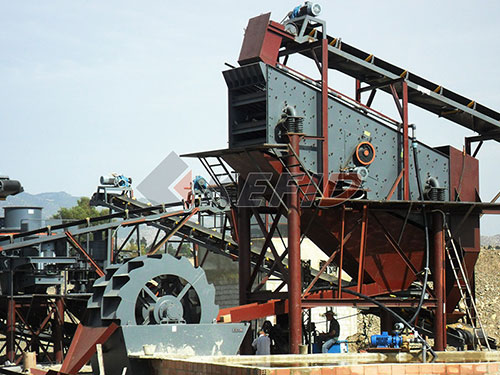
3. Brand & Intellectual Property: Established brands with proven reliability in harsh mining environments command higher prices due to perceived lower risk and strong aftermarket support networks.
4.Manufacturing Costs & Supply Chain: Raw material costs (steel), component sourcing (bearings, hydraulics), labor rates at manufacturing sites all feed into base pricing from OEMs to distributors.
5.Market Dynamics:
The supply chain typically flows: Manufacturer → Regional/National Distributor/Dealer → End-User Mine/EPC Contractor.
Some large OEMs sell direct but rely on dealers/distributors for parts distribution/service coverage.
A distributor’s value proposition extends beyond equipment sales price:
1.Technical Expertise: Assisting clients in selecting optimal crusher type/size based on ore characteristics (work index/abrasiveness), moisture content).
2.Logistics & Importation: Handling complex international shipping customs clearance heavy haulage—costs bundled into wholesale price).
3.After-Sales Support: Providing spare parts warranties technical field service—critical factor considered alongside initial purchase price).
4.Financing Options: Offering lease-to-own arrangements rental agreements project financing partnerships—making capital-intensive purchases feasible).
5.Inventory Holding: Maintaining strategic stocks critical wear parts reducing mine downtime—a key justification distributor margins).
Buyers procuring multiple units/projects should consider:
1.Total Cost Ownership Analysis: Evaluate not just purchase price but projected maintenance energy consumption wear part costs over expected lifespan). A cheaper unit may have higher operating costs).
2.Supplier Partnership vs Transactional Buying: For ongoing projects establishing partnership with reputable distributor ensures priority support access training potentially better long-term pricing).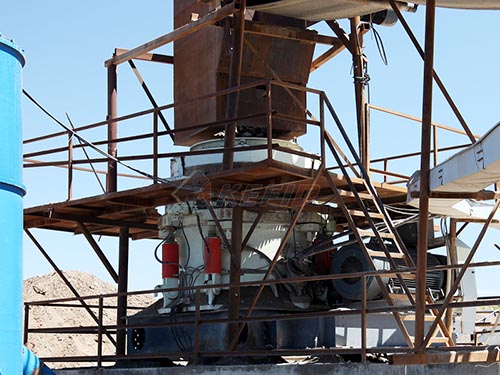
3.Standardization Benefits: Standardizing fleet across sites simplifies spare parts inventory operator training reduces complexity though may not always be technically optimal).
4.Consider Refurbished Equipment Market: For certain applications certified refurbished/rebuilt major crushers offer significant capital cost savings available through specialized distributors).
5.Negotiation Levers: Large orders multi-unit deals commitment long-term service parts contracts provide negotiation leverage on initial wholesale price).
1.Digitalization Remote Monitoring: IoT sensors predictive analytics becoming standard features creating new service-based revenue streams subscription models alongside traditional sales).
2.Sustainability Pressures): Demand energy-efficient equipment drives innovation premium efficient models may carry higher initial cost justified by regulatory compliance carbon footprint reduction goals).
3.Supply Chain Resilience): Post-pandemic disruptions leading some distributors hold larger buffer stocks impacting working capital costs potentially reflected modestly prices emphasis local/near-shore manufacturing sources).
4.Modular Pre-Assembled Designs): Trend towards modular plants reduces onsite installation time risk can affect distribution logistics pricing structure compared traditional component-based shipments).
The wholesale market gold ore crushing equipment complex interplay engineering economics logistics professional distributors serve vital link translating technological innovation into practical reliable solutions mining industry objective buyer whether distributor procuring inventory end-user purchasing through channel must look beyond sticker price consider holistic value proposition encompassing technical suitability operational efficiency total lifecycle costs support infrastructure evolving trends digitalization sustainability continue reshape landscape making informed knowledgeable approach procurement more important ever dynamic demanding sector global gold mining
Lorem ipsum dolor sit amet, consectetur adipisicing elit. Consectetur sequi saepe ut sunt eveniet perferendis excepturi, iste obcaecati. Qui tempore hic sed quia soluta obcaecati vel.