Gold Ore Crushing Equipment Dealers & Customization: A Strategic Guide for Modern Mining Operations
In the high-stakes, capital-intensive world of gold mining, efficiency is not merely a goal—it is the determinant of profitability and operational viability. At the heart of this efficiency lies the comminution circuit, with primary and secondary crushing being the first critical step in liberating precious metal from host rock. The choice of equipment and its configuration is paramount. This article provides a comprehensive, professional analysis of Gold Ore Crushing Equipment Dealers and Customization, exploring the strategic partnership between miners and dealers, the imperative for tailored solutions, and the technological considerations that define success in today’s market.
The Evolving Role of the Equipment Dealer: From Vendor to Strategic Partner
Gone are the days when equipment dealers were simple order-takers. For gold mining operations, ranging from large-scale open-pit mines to smaller underground or remote artisanal sites, the modern dealer serves as a crucial technical partner. Their role encompasses:
- Application Expertise: A reputable dealer possesses deep knowledge of ore characteristics. Gold ore is not monolithic; it can be free-milling (soft, oxidized) or refractory (hard, sulfide-rich), hosted in quartz veins, or disseminated. Understanding hardness (Unconfined Compressive Strength), abrasiveness (Ai index), moisture content, and clay presence is essential for correct machine recommendation. A dealer must analyze your ore sample data and site-specific conditions.
- Portfolio Breadth and Objectivity: Top-tier dealers represent manufacturers with complementary product lines—jaw crushers for primary blasting reduction, gyratory crushers for high-tonnage primary crushing, cone crushers for secondary and tertiary duties, and impact crushers for less abrasive ores. Their advice should be objective, matching the machine to the duty, not merely pushing a one-size-fits-all solution.
- Lifecycle Support Philosophy: The true cost of crushing equipment is measured over its entire lifecycle (Total Cost of Ownership – TCO). Strategic dealers offer robust after-sales support: guaranteed spare parts availability (including critical wear liners like mantles, concaves, and jaw dies), certified field service technicians for maintenance and repairs, and operator training programs. For remote gold mines, this logistical support network is as valuable as the equipment itself.
- Financial Flexibility: They provide or facilitate various acquisition models—direct purchase, leasing, or rental—to align with a project’s cash flow and capital expenditure plans.
The Imperative of Customization: Why “Off-the-Shelf” Rarely Suffices
Customization is not a luxury; it is an operational necessity driven by several key factors unique to gold mining:
- Site-Specific Geotechnical Conditions: A crusher destined for a high-altitude Andes site faces different atmospheric conditions (affecting engine deration) than one in a humid tropical belt (corrosion resistance). Foundation limitations or underground space constraints demand compact designs or modular assemblies.
- Plant Flow Sheet Integration: The crusher must be perfectly synchronized with downstream processes. This dictates size reduction ratios, product particle size distribution (PSD), and capacity (TPH). Overly coarse output overloads grinding mills; excessively fine “slimes” can complicate leaching processes. Customization ensures PSD targets are met efficiently.
- Feed Size Variability: Mining sequences encounter varying geology. A customizable control system with automatic setting adjustment (like ASRi on cone crushers) can maintain optimal throughput and product size despite feed variations.
- Wear Part Optimization: For highly abrasive gold ores, wear part metallurgy can be customized—selecting manganese steel grades or applying advanced alloys/hard-facing in specific wear zones to extend liner life dramatically, reducing downtime and consumable costs.
- Mobility Requirements: For smaller deposits or contract mining operations, semi-mobile or trailer-mounted crushing plants offer flexibility. These require custom engineering to ensure stability, quick setup/teardown, and efficient connection to conveyors.
Key Areas of Customization in Gold Ore Crushing Systems
-
Crusher Configuration & Mechanics:
- Chamber Design: Cone crusher chamber profiles (standard vs. short-head) are selected based on required product size and capacity.
- Drive Systems: Choice between electric motor drives (requiring grid power) or diesel-hydraulic drives for remote locations without stable power infrastructure.
- Setting Adjustment: Manual vs. hydraulic vs fully automated systems for real-time CSS adjustment.
-
Feed & Discharge Systems:
- Custom Hoppers & Apron Feeders: Designed to handle specific dump truck sizes or loader types common at the mine site.
- Discharge Conveyors: Engineered with correct width, speed,and impact idlers to handle crushed product directly into stockpiles or onto downstream conveyors.
-
Dust Suppression & Containment: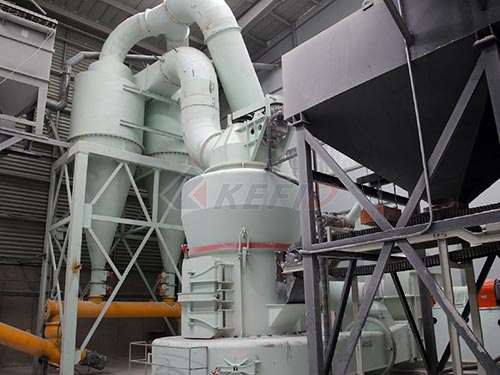
- Gold processing often involves cyanide leaching; controlling dust is critical for environmental compliance,safety,and reagent efficiency.Custom spray systems with atomizing nozzles at transfer points,coupled with sealed chutesand dust extraction units,must be integrated into design.
4.Control & Automation Integration: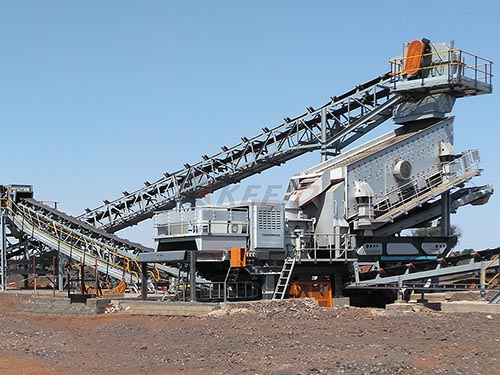
- Modern systems feature PLC-based control cabins allowing operators to monitor performance metrics like power draw,cavity level,and CSS.Customized interfaces tie into broader plant SCADA systems.Data telemetry enables remote monitoring by dealer support teams for predictive maintenance.
5.Modular & Pre-Assembled Designs:
- To reduce costly on-site construction time in harsh environments,crushers,support structures,and walkways can be pre-assembled into large modules that are simply lifted into place.This minimizes field laborand accelerates commissioning-a significant factor in achieving first gold pour deadlines.
Selecting the Right Dealer Partner: Critical Evaluation Criteria
When evaluating crushing equipment dealers for a gold project consider:
- Technical Capability & Engineering Support: Do they have in-house application engineers? Can they provide detailed flow sheet analysisand simulation software outputs?
- Reference Projects in Similar Conditions: Request case studies from operations with comparable ore characteristicsand climate.
- Local Presence & Parts Inventory: Proximityof service hubsand strategically stocked wear parts reduce Mean Time To Repair(MTTR).
- Manufacturer Reputation& Technology Pipeline: Are they partneredwith OEMs knownfor reliabilityand continuous innovationin energy efficiencyor wear technology?
- Commitmentto Training& Documentation: Comprehensive trainingon operation,troubleshooting,and preventive maintenance ensuresyour team maximizes equipment uptime.
Conclusion
The relationship betweena gold mineranda crushing equipment dealeris fundamentally collaborative.The most successful operations recognize that procuringa crusheris not merelya capital purchasebut initiatinga long-term partnershipfor optimizedsize reduction.The complexityof gold oresandthe demanding environmentsin which theyare extractedmake customizationan indispensable componentof anycrushing solution.From metallurgical testingthrough final commissioning,the expertiseofa knowledgeabledealerin tailoringthe machine,the wear parts,the controls,andthe support package directly translatesinto enhanced throughput reduced operating costs improved recovery ratesandincreased overall profitability.In an industry where every ounce counts investing timein selectingthe rightdealer partnerand engineeringa fully customizedcrushing systemis one ofthe most strategic decisionsa mining operationcan make layingthe foundational stonefor sustained success throughoutthe mine’slifecycle
