
The term “Frap Crushing” is not a household name, but within the aggregate and construction industries of the American Midwest, it represents a critical and highly efficient process for producing essential building materials. Specifically, in the context of Illinois, Frap crushing refers to the on-site recycling of concrete and asphalt rubble into a valuable product known as Fractionated Reclaimed Asphalt Pavement (FRAP), or more broadly, recycled concrete aggregate (RCA). This practice is a cornerstone of sustainable construction and cost-effective infrastructure development in the Prairie State. This article will explore the technical process of Frap crushing, its economic and environmental significance for Illinois, the regulatory landscape governing it, and its pivotal role in the state’s ongoing infrastructure projects.
At its core, Frap crushing is a form of mobile quarrying. Instead of extracting virgin stone from a bedrock quarry, the raw material is sourced from demolition sites, road rehabilitation projects, and building teardowns. The process involves several meticulously managed stages:
Source Material Acquisition and Sorting: The process begins with the collection of concrete and asphalt debris. In Illinois, common sources include old highway pavement from projects on I-55, I-80, or I-90; demolished sidewalks and curbs from urban redevelopment in Chicago; and rubble from commercial building demolitions. This material is carefully sorted to remove contaminants such as steel rebar, plastics, wood, and soil. Magnetic separators are often used to extract reinforcing bar (rebar) from concrete chunks.
Primary Crushing: The sorted large chunks of concrete and asphalt are fed into a primary crusher—typically a large jaw crusher or impactor. This initial stage breaks down the massive slabs into manageable pieces, usually 4-6 inches in diameter.
Screening and Contaminant Removal: The primary-crushed material is then passed through a screening plant. This step separates the material by size and allows for further removal of lightweight contaminants like paper and plastic using air knives or manual picking stations.
Secondary and Tertiary Crushing (Fractionating): This is where “fractionation” occurs—the “F” in FRAP. The material is run through secondary (e.g., cone crushers) and sometimes tertiary (vertical shaft impactors) crushers. These crushers are designed to produce specific, tightly graded sizes of aggregate. For example:
Stockpiling and Final Quality Control: The final crushed materials are stockpiled by size fraction. At this stage, quality control tests are performed to ensure the product meets project specifications for gradation, cleanliness, and structural integrity as defined by the Illinois Department of Transportation (IDOT) or other relevant bodies.
The entire crushing operation is often performed by portable plants that can be transported directly to a construction or demolition site. This mobility drastically reduces transportation costs and emissions associated with hauling heavy materials long distances.
For a state like Illinois, with its vast network of aging highways, bridges, and urban infrastructure dating back over a century, Frap crushing presents profound economic advantages.
The environmental benefits of Frap crushing align closely with modern sustainability goals:
The widespread adoption of Frap crushing in Illinois has been facilitated by its endorsement within official state specifications governed primarily by IDOT Bureau of Materials & Physical Research which sets strict standards governing use RCA/FRAP materials ensuring they perform reliably under load traffic conditions preventing premature failure infrastructure projects Standard specifications outline acceptable gradations maximum allowable contamination levels testing methods compaction requirements ensuring recycled materials meet same rigorous performance criteria virgin aggregates has been instrumental building trust among engineers contractors promoting widespread use across public private sectors alike Furthermore Environmental Protection Agency EPA encourages recycling through beneficial use determinations providing clear regulatory pathway responsible reuse C&D materials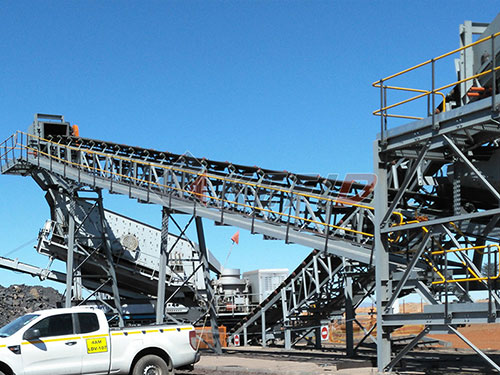
Recycled aggregates produced via Frap crushing are not second-rate materials They are engineered products with specific high-value applications throughout Illinois:
In conclusion far being obscure industrial term “Frap Crushing” represents sophisticated vital practice heart modern sustainable construction Illinois embodies principles circular economy turning end life infrastructure raw material next generation development Through well established technical processes strong economic drivers supportive regulatory environment tangible environmental benefits technique has become indispensable tool maintaining rebuilding Prairie State’s physical framework As pressures resource conservation climate change continue grow importance specialized form recycling will only increase solidifying its place foundational element Illinois’s future growth resilience
Lorem ipsum dolor sit amet, consectetur adipisicing elit. Consectetur sequi saepe ut sunt eveniet perferendis excepturi, iste obcaecati. Qui tempore hic sed quia soluta obcaecati vel.