FDA-Approved 500 TPH Gold Mining Washing Plants: A Detailed Analysis of Specifications, Applications, and Market Realities
The phrase “FDA Approved 500 TPH Gold Mining Washing Plant Minimum Order” presents a unique intersection of industrial mining terminology and regulatory language, creating a scenario that requires careful professional dissection. At its core, it describes a large-scale mineral processing system with specific claimed attributes. This article will provide a detailed, objective analysis of each component of this keyword, exploring the technical specifications of a 500 TPH plant, the unusual reference to FDA approval, the concept of minimum order quantities (MOQs) in heavy mining equipment, and the practical realities of sourcing such machinery.
1. Deconstructing the Keyword: Core Components
A. “500 TPH Gold Mining Washing Plant”:
This denotes a substantial industrial facility.
- 500 TPH (Tons Per Hour): This is a measure of throughput or capacity. A plant rated for 500 TPH is designed to process 500 tons of raw material (alluvial gravels, crushed ore, or saprolite) every hour. This classifies it as a large-scale to very-large-scale operation. For context:
- A small alluvial operation might run 50-100 TPH.
- A mid-tier mine typically operates between 200-500 TPH.
- Operations exceeding 500 TPH are major industrial projects requiring significant infrastructure (water supply, power grids, tailings dams) and capital investment (often tens to hundreds of millions of dollars).
- “Washing Plant”: In gold mining, this typically refers to a gravity separation and concentration plant designed to process unconsolidated or loosely consolidated material. Its primary function is to liberate gold particles from clay, silt, and gravel using water and mechanical action. Key components usually include:
- Feed System: Dump hoppers with grizzly screens and apron or vibrating feeders.
- Scrubbing/Screening Section: Rotary scrubbers or log washers to break down clays and remove organic matter; vibrating screens for size classification.
- Gravity Concentration Circuit: A series of devices like centrifugal concentrators (e.g., Knelson, Falcon), sluices, jigs, or shaking tables to separate high-density gold from lighter gangue material.
- Water & Slurry Management: Pumps, pipelines, sumps, cyclones (for de-sliming), and water recycling systems.
- Tailings Disposal System: Conveyors or pumps to move waste material to a storage area.
B. “FDA Approved”:
This is the most anomalous element in the context of mining equipment.
- The FDA’s Mandate: The U.S. Food and Drug Administration regulates food products, drugs, medical devices, cosmetics, tobacco products, and radiation-emitting electronics. Its jurisdiction is centered on consumer safety and public health.
- Possible Interpretations in Mining:
- Misapplication/Marketing Hype: The most likely scenario is that the term is used incorrectly by a supplier unfamiliar with Western regulatory frameworks to imply a generic sense of “quality approval” or “safe for use.”
- Specific Component Certification: In an extremely narrow case, certain components within the plant’s water treatment or chemical handling systems (e.g., polymer flocculants for settling ponds if later used in water for processing food-contact materials; specific rubber linings in contact with process water) might be constructed from FDA-listed materials if there’s an ancillary need for water purity for local communities. This is highly specialized and not typical for the core mining machinery itself.
- Recycled Equipment: The plant could incorporate used components (pumps, piping) originally manufactured for the food or pharmaceutical industry where FDA-grade materials (e.g., specific stainless steels) were required.
Objectively stated: There is no standard or recognized FDA approval process for complete gold mining washing plants. Relevant certifications would be from bodies like ISO (International Organization for Standardization) for quality management (ISO 9001), environmental management (ISO 14001), or machinery safety standards from organizations like ANSI or MSHA/OSHA.
C. “Minimum Order”:
This refers to commercial terms set by a manufacturer or distributor.
- In heavy capital equipment markets like mining machinery:
- For custom-built plants of this scale (500 TPH), the “minimum order” is typically one complete plant. These are not off-the-shelf items; they are engineered-to-order projects involving design studies CAD models fabrication shipping assembly commissioning
- For standardized modular components suppliers might set MOQs based on container loads e g MOQ one set scrubber screen module
- The term can sometimes indicate that supplier operates as wholesale trader rather than direct manufacturer implying they aggregate orders before placing production run with factory
2 Technical Considerations Design Implications
Designing operating reliable efficient washing plant requires addressing numerous critical factors:
- Feed Material Characteristics: Particle size distribution clay content moisture content gold liberation size shape alluvial vs hard rock tailings Each influences choice scrubber type screen apertures concentration technology
- Water Supply Consumption: washing plant consumes vast amounts water estimated range cubic meters per hour depending clay content Robust water recycling system essential often recirculates minimizing fresh make-up Environmental permits discharge strict
- Power Requirements: motors scrubbers feeders conveyors pumps easily demand multiple megawatts electrical power Reliable grid generator setup mandatory
- Footprint Layout: large footprint required accommodate modules stockpiles settling ponds Access maintenance space crucial Modular skid-mounted designs popular reducing onsite construction time
- Recovery Efficiency Target: Overall recovery rate percentage fine gold recovery particularly challenging require specialized equipment like intensive cyanidation circuit electrowinning not simple wash plant
Market Realities Sourcing Equipment
Buyer seeking should conduct rigorous due diligence:
1 Source Manufacturers vs Traders:
Direct engagement established manufacturers offers greater control design after-sales service warranty parts supply Examples global firms Multotec Metso Outotec FLSmidth alongside reputable Chinese manufacturers Jiangxi Gandong Mining Equipment Machinery Factory Yantai Jinpeng Mining Machinery Direct negotiation preferred over unknown online traders using ambiguous terms
2 Request Documentation Clarify “FDA Approved”:
Ask supplier provide specific certificates name certifying body scope approval If cannot provide legitimate documentation likely misrepresentation casts doubt overall credibility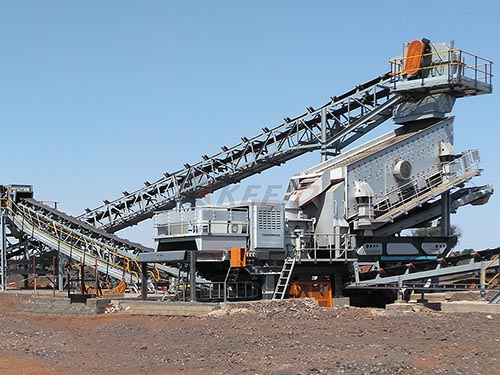
3 Site Visit Pilot Testing:
For investment scale pilot testing feed material recommended either supplier test facility mobile pilot unit onsite Confirm predicted recoveries throughputs Before finalizing order visit factory inspect build quality welding electrical work control systems
4 Commercial Legal Terms:
Beyond MOQ negotiate delivery terms Incoterms payment schedule tied milestones performance guarantees liquidated damages late delivery underperformance Training commissioning spares package critical Contract should clearly define scope supply ex-works vs turnkey
5 Regulatory Compliance True Approvals:
Focus actual required certifications Mine operating permits environmental impact assessments CE Mark machinery directive local safety standards ISO certifications These far more relevant than fictional FDA approval
Conclusion Professional Perspective
concept represents significant piece industrial infrastructure capable processing million tons material annually assuming operation While technical feasibility well-established associated claim atypical almost certainly erroneous likely stems marketing translation error misunderstanding regulatory domains Serious buyer investor must look beyond headline specifications engage directly experienced engineering firms conduct comprehensive feasibility studies procure equipment through transparent channels based demonstrable track record verifiable quality certifications true industry standards project success depends not unverified labels but sound geological data robust engineering thorough operational planning strict adherence real environmental safety regulations governing mining sector
