Comprehensive Quality Control in Stone Quarry Crushing Plants: Ensuring Product Integrity and Operational Excellence

1. Introduction: The Critical Role of Quality Control

In the aggregates industry, the stone quarry crushing plant is the very heart of production, transforming blasted raw rock into the essential materials that build our infrastructure—concrete, asphalt, roads, and buildings. The quality of its output is non-negotiable; it directly influences structural integrity, construction costs, material efficiency, and long-term project durability. Therefore, a robust, systematic Quality Control (QC) program is not merely a regulatory checkbox but a fundamental pillar of operational success, profitability, and market reputation. This article provides a detailed examination of the multi-layered quality control processes essential in a modern stone quarry crushing plant.

Quality control in this context is a proactive and continuous process that spans from the geological deposit to the final stockpiled product. It integrates principles of process management, material science, and statistical analysis to ensure consistent compliance with stringent national and international standards (e.g., ASTM, EN, BS). Effective QC mitigates risks such as product rejection, premature pavement failure, or structural defects, while optimizing plant efficiency and resource utilization.

2. Foundational Elements: Source Geology and Feed Material Control

Quality begins before the crusher. The inherent properties of the source rock set the ultimate ceiling for product quality.Export Stone Quarry Crushing Plant Quality Control
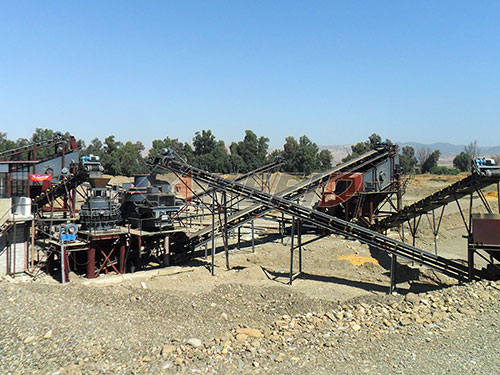
  • Geological Assessment: A comprehensive understanding of the quarry’s geology—including rock type (e.g., granite, limestone, basalt), chemical composition, hardness (measured by Los Angeles Abrasion test), durability (Soundness test), and presence of deleterious materials (clay seams, weak layers, organic matter)—is paramount. Core drilling and petrographic analysis guide selective extraction.
  • Feed Material Consistency: The primary crusher (typically a jaw or gyratory crusher) must receive consistent feed in terms of size distribution and hardness. QC monitors shot rock size after blasting. Inconsistent feed leads to crusher overload or underutilization, causing fluctuations in output gradation and increasing wear on downstream equipment.

3. The Core Process: In-Process Quality Control

This is the real-time management of the crushing and screening circuit to ensure specifications are met at every stage.

  • Particle Size Distribution (Gradation): This is arguably the most critical quality parameter. Gradation affects workability of concrete, stability of asphalt mixes, and drainage properties of base materials.
    • Control Points: Sieve analysis is performed at key stages: after primary crushing, secondary/tertiary crushing circuits (cone or impact crushers), and final screening.
    • Tools & Technology: Manual sieve shakers are used for lab verification. Crucially modern plants employ automated sampling systems connected to Particle Size Analyzers (PSAs) or vision-based systems that provide near-real-time gradation data to plant operators via SCADA systems.
    • Adjustment Parameters: Crusher settings (Closed Side Setting on cone crushers), screen selection (mesh size), screen deck inclination/throw speed for vibrating screens are continuously adjusted based on QC data.
  • Particle Shape & Flakiness Index: Cubical particles are preferred over elongated or flaky ones as they provide better interlock in asphalt mixes and require less cement paste in concrete for equivalent strength.
    • Control: Shape is influenced by crusher type (impact crushers generally produce better cubicity than compression crushers) and crushing stage optimization.
  • Cleanliness & Deleterious Materials: Products must be free from excessive dust/clay coatings or soft/unsound fragments.
    • Control: Effective screening with properly sized meshes removes fines. Sand classifiers or washing screws may be employed for manufactured sand products to control silt content via tests like Sand Equivalent Test.

4. Product-Specific Quality Parameters

Different end-uses demand specific physical property tests:

  • For Concrete Aggregates:
    • Strength & Durability: Aggregate Crushing Value Test
    • Resistance to Abrasion: Los Angeles Abrasion Loss Test
    • Alkali-Silica Reactivity Potential
  • For Asphalt Aggregates:
    • Adhesion/Bonding with Bitumen
    • Polished Stone Value for surface course aggregates
  • For Road Base Aggregates:
    • California Bearing Ratio
    • Modified Proctor Compaction

These tests are performed at regular intervals in an on-site laboratory certified by relevant authorities.Export Stone Quarry Crushing Plant Quality Control
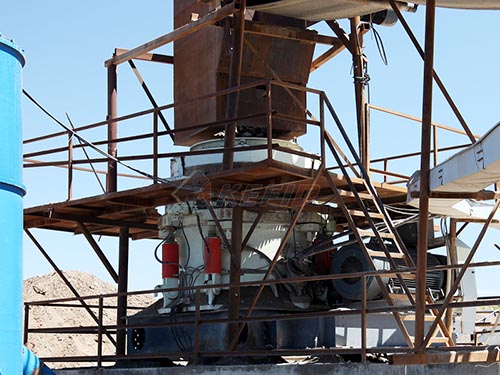
5. The Quality Control System: Structure & Documentation

A formalized QC system ensures consistency:

  1. Sampling Plans: Clearly defined procedures for where samples are taken from conveyor belts or stockpiles using standard methods like ASTM D75/D3665.
  2. Testing Frequency: Schedules based on production volume—hourly/daily checks for gradation; weekly/monthly for physical properties.
  3. Calibration & Maintenance: Regular calibration of all testing equipment scales sieves compression machines) as well as plant instrumentation belt scales level sensors).
  4. Non-Conforming Product Procedure Steps to isolate reprocess reject material when it fails specifications preventing contamination good product stockpiles).
  5. Traceability System linking batches products specific production dates source locations within quarry facilitating targeted corrective actions if issues arise later).

6 Advanced Technologies Driving Modern QC

Automation has revolutionized QC enabling unprecedented levels consistency efficiency:

  • Online Particle Size Analyzers Laser diffraction technology mounted above conveyor belts providing continuous gradation curves every few minutes eliminating lag time associated manual sampling lab analysis allowing immediate closed-loop control adjustments without operator intervention significantly reducing variability).

  • Process Automation PLCs SCADA Systems integrate data from online analyzers motor loads power draw pressure sensors automatically adjust feeder rates crusher settings screen configurations maintain optimal performance within predefined quality envelopes even compensating changes feed material characteristics).

  • Data Management Software Cloud-based platforms aggregate test results production data equipment health metrics generating dashboards statistical process control SPC charts trend analyses predictive alerts enabling proactive rather than reactive management facilitating continuous improvement initiatives through root cause analysis RCA).

7 Human Factor Training Competence Culture

Despite technological advances human expertise remains irreplaceable Skilled technicians geologists engineers form backbone effective program Continuous training latest standards ASTM EN ISO testing methodologies equipment operation essential Fostering culture where every operator understands impact their actions final quality encourages vigilance ownership frontline staff who often first notice subtle changes sound vibration appearance material flow that might indicate emerging issue before manifests failed test result).

8 Economic Environmental Sustainability Benefits

Robust QC delivers tangible economic benefits:

  • Reduced Waste Rework maximizing yield saleable products minimizing costly reprocessing disposal substandard materials)
  • Enhanced Plant Efficiency optimized settings reduce energy consumption per ton produced extend wear life liners screens other components lowering operating costs)
  • Market Premium Reputation consistently meeting exceeding specifications builds trust with contractors ready-mix asphalt producers leading long-term contracts reduced price sensitivity)

From environmental perspective efficient use resource minimizing waste aligns principles sustainable development reducing need over-extraction new quarries lower carbon footprint associated rejected reprocessed materials)

Conclusion Holistic Approach Operational Excellence

In conclusion quality control within stone quarry crushing plant dynamic multifaceted discipline extends far beyond simple periodic sieve analysis represents holistic approach integrating geology process engineering advanced technology human skill ultimate goal deliver precisely specified aggregate product every single time By implementing rigorous systematic program from face final stockpile operators ensure not only compliance technical standards but also achieve highest levels operational reliability cost efficiency customer satisfaction Such commitment foundational building truly world-class sustainable aggregates operation underpinning safe resilient infrastructure future

Lorem ipsum dolor sit amet, consectetur adipisicing elit. Consectetur sequi saepe ut sunt eveniet perferendis excepturi, iste obcaecati. Qui tempore hic sed quia soluta obcaecati vel.