Export Stone Quarry Crushing Plant Manufacturing: A Comprehensive Guide to Global Supply Chains
The global construction and infrastructure boom is an insatiable engine, driven by a fundamental need: processed aggregates. At the heart of supplying this demand lies the Stone Quarry Crushing Plant – a complex, engineered system that transforms raw blasted rock into precisely graded stone, sand, and gravel. For nations rich in mineral resources but lacking advanced industrial capacity, and for regions undergoing rapid development, importing these plants is a critical strategic investment. Consequently, the business of exporting stone quarry crushing plant manufacturing has evolved into a sophisticated, high-value engineering sector dominated by key global players. This article provides a detailed, objective analysis of this industry, covering its core components, market dynamics, manufacturing considerations, and the critical factors for successful international supply.
1. The Core Product: Deconstructing a Modern Crushing Plant
A quarry crushing plant is far more than a collection of crushers. It is a fully integrated material processing system designed for continuous operation under demanding conditions. Its exported configuration typically includes:
- Primary Crushing Station: Often featuring a robust jaw crusher or gyratory crusher to accept large feed from haul trucks and perform the first reduction.
- Secondary and Tertiary Crushing Stages: Utilizing cone crushers or impact crushers to further reduce material size and shape it to specification. Modern plants emphasize cubicity for high-quality concrete aggregates.
- Screening Units: Multi-deck vibrating screens are the control centers, separating crushed material into specific size fractions (e.g., 0-5mm sand, 5-10mm chips, 10-20mm aggregate).
- Material Handling System: A network of conveyors (field, radial stackers) that connect all stages, determining plant layout efficiency.
- Supporting Infrastructure: This includes electrical switchgear and control panels, dust suppression/fogging systems (critical for environmental compliance), foundational steel structures, and sometimes washing equipment for clay removal.
Export models are designed with modularity in mind. Containerized electrical houses, pre-assembled skid-mounted crusher bases, and bolt-together structures minimize on-site civil work and commissioning time in remote locations—a significant value proposition for the buyer.
2. Global Market Dynamics and Key Export Hubs
The export market is stratified and highly competitive.
- Established Technology Leaders (Europe & North America): Companies from Germany (e.g., Kleemann – Wirtgen Group), Sweden (Sandvik, Metso Outotec), the USA (Eagle Crusher), and Finland are renowned for premium technology. Their exports focus on high automation (PLC systems with remote monitoring), energy efficiency, superior wear part longevity, and compliance with stringent international safety and environmental standards. Their target markets are often developed economies or large-scale mining projects where total cost of ownership outweighs initial capital expenditure.
- Cost-Competitive Volume Suppliers (China & Turkey): Chinese manufacturers have become dominant forces in the global export market. They offer a vast range from basic designs to increasingly advanced models that rival Western technology at a significantly lower initial cost. Clusters in regions like Shanghai, Zhengzhou (Henan Province), and Liyang are major hubs. Turkish manufacturers similarly offer a strong blend of acceptable European-influenced engineering quality at competitive prices, serving markets in Africa, the Middle East, and Eastern Europe effectively.
- Regional Specialists: India has a growing export sector focused on robust designs suitable for hard abrasive rocks like granite. South Korea also contributes with high-quality heavy machinery.
Market drivers include global infrastructure spending (e.g., Belt & Road Initiative projects), post-conflict reconstruction (Middle East), urbanization in Africa/Asia-Pacific,and replacement demand for older inefficient plants seeking better productivity and environmental performance.
3. The Manufacturing Process: From Design to Dock
Export-oriented manufacturing is a meticulous process:
- Application Engineering & Design: It begins not on the factory floor but with client consultation. Engineers analyze the raw material characteristics (abrasiveness hardness SiO2 content compressive strength) required final products local climate conditions and targeted production capacity CAD/Simulation software is used to optimize flow design minimizing bottlenecks
- Sourcing & Procurement: Quality hinges on component sourcing Leading manufacturers use globally recognized branded components bearings motors gearboxes hydraulic parts from suppliers like SKF Siemens Rexroth etc Cost competitive manufacturers may mix imported critical components with locally sourced structural elements
- Fabrication & Assembly: Heavy plate steel is cut CNC plasma/laser) formed welded into crusher bodies hoppers conveyor frames Welding quality NDT testing is paramount Assembly involves mounting crushers screens motors onto their bases or skids
- Electrical Integration & Control Systems: Panels are wired with PLCs HMIs variable frequency drives VFDs) for soft starting conveyors Modern plants are pre wired for IoT connectivity allowing remote diagnostics performance tracking
- Factory Acceptance Testing FAT): Before disassembly for shipping the completed plant or major modules are test run at factory This verifies mechanical alignment electrical functionality control logic using simulated or sample material
- Paint Packaging & Documentation: Robust corrosion protection paint systems epoxy primers) are essential Export packaging involves seaworthy wooden crates waterproof wrapping desiccant bags Clear multilingual documentation manuals parts lists electrical diagrams) is crucial
4 Critical Considerations for Successful Export Operations
Manufacturers competing internationally must navigate complex challenges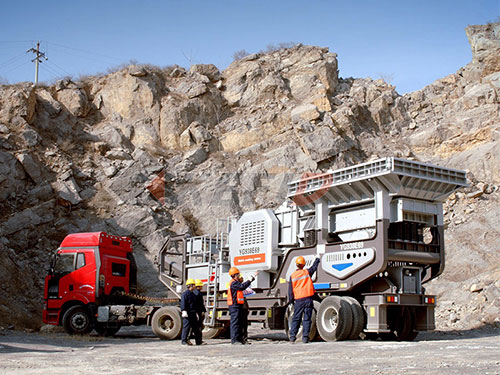
- Technical Adaptation & Standardization: Plants must be adaptable to local voltages Hz) climatic extremes dust heat humidity) Available local skills dictate automation level Simpler relay controls may be specified over complex PLCs if maintenance expertise is limited
- Logistics & Shipping Expertise: Transporting multi ton modules requires specialized flat rack containers heavy lift vessels RO RO ships Detailed packing lists container manifests accurate weight distribution calculations are vital to avoid port delays damage
- Regulatory Compliance & Certification: Meeting destination country standards CE Marking GOST Russian standards GCC Gulf Cooperation Council) OSHA type guidelines is mandatory This extends to machine safety guards noise emissions limits electrical certifications
- After Sales Support Structure: The sale is only the beginning Competitive exporters establish comprehensive support networks This includes detailed commissioning supervision by factory engineers training programs for local operators readily available spare parts inventories either locally stocked or via fast air freight agreements Effective after sales support is arguably the single greatest differentiator in winning repeat business
Conclusion
The export of stone quarry crushing plants represents a vital intersection of heavy industry mechanical engineering international trade and global development It fuels infrastructure worldwide Manufacturers succeed not merely by building machines but by delivering integrated processing solutions wrapped in deep technical support The industry trend points towards smarter more connected plants that offer higher uptime greater flexibility in product changes reduced energy consumption per ton produced As environmental regulations tighten globally future exports will increasingly feature closed loop water recycling advanced dust capture systems hybrid diesel electric power options In this demanding market sustained success belongs to those exporters who combine engineering excellence with an unwavering commitment to understanding supporting their clients operational realities across diverse continents
