
The stamp mill stands as a monumental piece of technology in the history of gold extraction. For centuries, it was the primary machinery for liberating gold from hard rock ores, serving as the industrial heartbeat of mining camps from the California Gold Rush to the Witwatersrand in South Africa. Its distinctive, rhythmic cadence—a heavy, percussive pounding that could be heard for miles—symbolized the relentless pursuit of mineral wealth. This datasheet provides a comprehensive technical overview of the stamp mill, detailing its operational principles, mechanical components, historical significance, and eventual obsolescence. Understanding this machine is fundamental to appreciating the evolution of mineral processing from an artisanal endeavor to a large-scale industrial operation.
Before the advent of the stamp mill, crushing gold-bearing quartz was a labor-intensive process involving manual hammers or arrastras. The stamp mill mechanized this process on a massive scale. The core operational principle is straightforward: gravity-driven percussion. Heavy, vertically mounted stamps (essentially large hammers) are lifted by a rotating camshaft and then dropped onto ore placed on an iron-lined mortar box. The repeated impact reduces the rock to a fine sand or powder, thereby liberating the encapsulated gold particles so they can be subsequently recovered.
The first rudimentary stamp mills appeared in Europe as early as the 16th century. However, their design was refined and their use popularized during the numerous gold rushes of the 19th century. They became indispensable because hard rock (lode) mining quickly superseded surface placer mining as the most viable source of gold. Without an efficient means to crush tons of quartz daily, these deep-seated deposits would have been economically unviable.
A stamp mill was a complex assembly of interconnected parts, each serving a critical function.
A. The Frame and Battery
The entire assembly was supported by a heavy wooden or iron frame known as the “battery.” This structure had to withstand immense and continuous shock loads. The term “stamp battery” is often used synonymously with the mill itself.
B. The Stamps
The stamps were the core crushing elements. A single battery typically contained 5 to 20 stamps operating in parallel.
C. The Camshaft (Cams or Tappets)
A horizontal rotating shaft, powered by an external energy source, located centrally within the battery. It featured offset cams (or “lifts”) for each stamp. As the camshaft turned, each cam would engage with a pin on a stamp’s shaft, lifting it to a predetermined height—typically 6 to 12 inches (15 – 30 cm). Once past apex of cam rotation allowed gravity take over causing controlled drop onto ore below
D.The Mortar Box
This was a robust, iron-lined box situated directly beneath stamps where actual crushing took place It contained crushed ore water during operation
E.The Screens and Apron
At front mortar box perforated iron screen or grate allowed only sufficiently fine material mixed with water exit box slurry coarser material retained behind screen for further pounding Below screen copper plate amalgamated table often mercury-coated captured free gold particles slurry passed over before flowing settling tanks concentrators
Operation stamp mill continuous cyclical process
1.Feeding: Run-of-mine ore broken up by hand initially fed manually into mortar box front intermittent stream
2.Crushing: Rotating camshaft lifted dropped stamps rapid succession Typical operational speed “stamps per minute” depending weight stamps desired fineness crushing rhythmic thumping defined sound industrial gold mining
3.Classification Slurry Formation: Water introduced mortar box during crushing served dual purpose First it mixed crushed rock creating slurry could flow Second it suppressed dust contained potentially harmful silica preventing condition known miner’s phthisis early recognition silicosis
4.Gravity Separation Amalgamation: As slurry created forced through screen fine enough pass flowed inclined copper plate known “amalgamation table” This plate often coated thin film elemental mercury which has property forming alloy amalgam free gold particles Upon contact gold particles would be trapped by mercury while worthless gangue material washed away
5.Collection Refining: Periodically operation halted amalgam carefully scraped copper plate Then heated in retort vaporize toxic mercury leaving behind relatively pure sponge gold then melted into doré bars further refining
Early stamp mills were often powered directly by water wheels making location dependent proximity reliable water source Later steam engines became dominant power source providing greater flexibility reliability especially arid regions deep underground mines
Power transmitted complex system line shafts pulleys belts from central engine individual batteries within mill This required significant mechanical engineering precision ensure smooth efficient power delivery entire operation Energy consumption was substantial making efficiency paramount profitability mines
Despite its revolutionary role stamp mill suffered several significant limitations environmental consequences
Technical Limitations: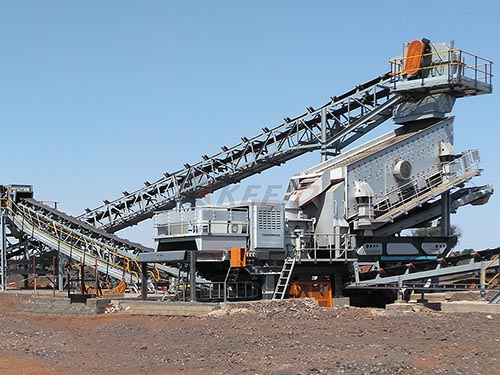
Environmental Impact:
dominance stamp mill began wane early 20th century advent more efficient technologies most notably jaw crushers gyratory crushers followed ball mills rod mills These new machines offered several key advantages:
ball mill which employs tumbling action steel rods balls grind ore proved far superior selective grinding less prone creating problematic slimes By mid-20th century industrial use stamp mills had largely ceased
However legacy endures preserved historical sites museums throughout world world heritage sites like sovereign hill australia reed gold mine north carolina provide living history powerful technology shaped nations economies Its iconic sound sight remain potent symbol grit determination early industrial era mineral extraction reminder technological progress often comes hand-in-hand with significant environmental cost
Lorem ipsum dolor sit amet, consectetur adipisicing elit. Consectetur sequi saepe ut sunt eveniet perferendis excepturi, iste obcaecati. Qui tempore hic sed quia soluta obcaecati vel.