
The global construction, mining, and recycling sectors are the bedrock of modern infrastructure development and environmental sustainability. At the heart of material processing for these industries lies a critical piece of equipment: the impact crusher. An Export Impact Crushers Processing Plant represents more than just the sale of machinery; it is the export of a complete, integrated solution designed to transform raw, oversized feed material into precisely sized, valuable aggregate or to process complex construction and demolition waste. This article provides a comprehensive overview of these plants, detailing their core components, operational principles, key applications, and the critical considerations for their successful deployment in international markets.
An export-oriented impact crusher plant is engineered as a cohesive system, designed for efficient setup, operation, and maintenance. It typically comprises several integrated units that work in concert.
The Impact Crusher (Primary or Secondary): This is the centerpiece of the entire operation. Modern impact crushers come primarily in two configurations: Horizontal Shaft Impactors (HSI) and Vertical Shaft Impactors (VSI).
Feeding System: A robust feeding mechanism is essential. This usually consists of a vibrating feeder or an apron feeder that regulates the flow of material from a hopper into the crusher. For export plants, variable speed controls are vital to allow operators to match feed rate to crusher capacity and prevent overloading, which can cause damage and inefficiency.
Pre-Screening Unit (Optional but Advantageous): Many advanced plants incorporate a pre-screening scalper before the crusher. This unit removes fine material that has already met size specifications from the feed stream. By bypassing this material around the crusher, it reduces wear on the blow bars and liners, increases overall throughput, and prevents unnecessary power consumption.
Post-Crushing Screening Deck: After crushing, the material is a mixture of various sizes. A vibrating screen—often a multi-deck screen—separates this output into different product fractions (e.g., 0-5mm sand, 5-20mm aggregate, 20-40mm aggregate). Oversized material is typically recirculated back to the crusher via a closed-circuit conveyor system.
Conveyor System: A network of belt conveyors forms the circulatory system of the plant, transporting material from the feeder to the crusher, from the crusher to the screen, and finally directing sized products to their respective stockpiles.
Power Unit and Control System: Export plants are designed with versatile power options, often capable of being driven by diesel generators or connected directly to the local electrical grid. The brain of the operation is a centralized control panel, often equipped with modern PLC (Programmable Logic Controller) systems and telematics for remote monitoring. This allows for real-time tracking of production metrics, machine health diagnostics (like bearing temperatures), and immediate fault detection.
The efficacy of an impact crusher lies in its fundamental application of kinetic energy. The process can be broken down into three stages:
This method results in several distinct advantages over compression-based crushers like jaw or cone crushers:
The versatilityof impactcrusherplants makes them indispensable across multiple sectors worldwide:
Aggregate Production for Construction: This remains themost significant application.From producing base coursefor roads to high-quality concrete aggregatesand asphalt chips,the abilityto controlproduct sizeand shapeis paramount.An exportplantcanbe quickly deployedto establisha quarryoperation neara majorinfrastructureproject.
Construction & Demolition (C&D) Waste Recycling: In environmentally conscious marketswith limitedlandfill space,the recyclingof C&D wasteis booming.An HSIcrusherexcelsat processingconcrete,bricks,and asphalt rubbleinto valuable recycledaggregate(RCA).Magnetssuspendedoverconveyorsoften extractferrous metalslike rebarfor scraprecycling,makingtheprocess both economicallyand environmentallybeneficial.
Miningand Industrial Minerals: For processingnon-abrasiveor moderatelyabrasiveminerals suchas limestone,g ypsum,and phosphate,the high throughputandefficiencyof animpactcrusherareextremelyvaluable.Theyareoften usedaftera primaryjawcrusherin alarge-scaleprocessingcircuit.
Successfullyexportingthesecomplexsystemsrequiresmorethanjustshippingmachinery.It demandsacomprehensiveunderstandingofthe targetmarket’sneedsandchallenges: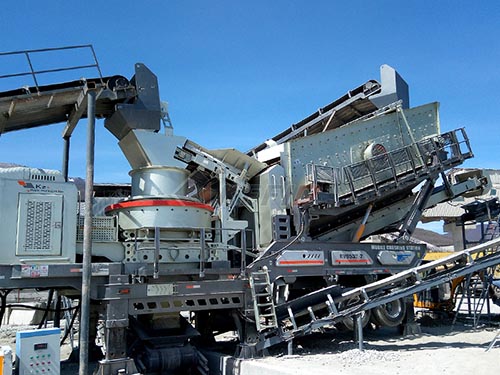
1.Compliancewith InternationalStandardsand Local Regulations:
Plantsmustbe designedand builtto complywith internationalsafety standards( e.g.,CE markingfor Europe).Noiseemissions,dustcontrolsystems( oftenrequiringbaghousefiltersor mistingsystems),andemissionlevelsfordieselenginesmustall meetstringentlocalenvironmentalregulationsinthe destinationcountry.Failuretodoso canresultincustomsdelays,fines,andprojectstoppages.
2.Robustnessfor Logisticsand RuggedTerrain:
Exportplantsare subjectto significantstressduringsea voyageandinlandtransportation.Modulardesignsthatfacilitateeasycontainerizationandsiteassemblyare highlypreferred.Forthemobileor semi-mobilevariantsthatareoftenexported,the chassisandsupportstructuresmustbe engineeredto withstandpoorroadconditionsandroughterrainatthe finaldestinationsite.
3.Adaptabilityto Local Feed Materialand Climatic Conditions:
The hardness ,abrasiveness,and moisturecontentoffeedmaterial canvarydramaticallyfromone regionto another.An export-readyplantmustofferoptionsfordifferentgradesof wearparts(tungstencarbidevs.chromiumironblowbars)and possiblydifferentrotordesignsto optimizefor specificmaterialcharacteristics.Similarly,cold-weatherpackages(forlubricantsandhydraulics)ordust-sealingfors aridregionsmaybe necessary.
4.After-SalesSupportand Service Infrastructure:
Thisis arguablythe mostcriticalfactorforthelong-termsuccessofanexportinitiative.A customerinvestingina processingplantrequiresguaranteedaccessto genuinewearparts(blowbars ,impactaprons,screenmeshes),skilledtechniciansfortraining ,installation,and maintenance ,andreliabletechnicalsupport.The establishmentofregionalwarehousesor strongpartnershipswithlocaldistributorsis essentialtominimizedowntime ,whichisextremelycostlyinaggregateproduction .
5.Economic Viabilityfor The End-User:
Finally,the entire propositionmustmake financialsenseforthe buyer.Thisincludesnotonlythe initial purchasepricebut alsothe total costof ownership(TCO).Factorssuchas fuel efficiency,easeofmaintenance(resultinginlowerlaborcosts),wearpartslife,andresalevalueall contributeto thereturnoninvestment(ROI).Providingpotentialclientswithdetailedproductionestimatesbasedontheirlocalmaterialscanbe adecisivefactorinwinningexportcontracts .
Conclusion
An ExportImpactCrushersProcessingPlantis asophisticatedembodimentofengineeringexcellenceandeconomicpragmatism.It providesgrowingeconomieswiththemeans tobuildtheirinfrastructure sustainablyandenablesdevelopednationstorecycletheirwastestreamsefficiently.Beyondthe powerfulcrushingmechanismitself ,itisthe holisticintegrationoffeeding,screening,andconveyingsystems,coupledwithrobustdesignforlogisticsandalong-termcommitmenttoservice ,thatdefinesthe truevalueoftheseexportedplants.Asthe globaldemandforhigh-qualityaggregatesandrecycledmaterialscontinuesto rise,therefinedcapabilitiesandreliabilityoftheseportablefactorieswillremainindispensabletoolsforshapingtheworldwelivein .
Lorem ipsum dolor sit amet, consectetur adipisicing elit. Consectetur sequi saepe ut sunt eveniet perferendis excepturi, iste obcaecati. Qui tempore hic sed quia soluta obcaecati vel.