
In the dynamic world of aggregate production, construction, and mining, the 250-300 tons per hour (TPH) stone crushing plant stands as a critical benchmark for medium to large-scale operations. For equipment dealers, mastering the intricacies of this capacity range is not merely about selling machinery; it is about providing comprehensive, value-driven solutions that ensure client profitability, operational efficiency, and long-term reliability. This article delves into the technical specifications, market applications, key components, selection criteria, and strategic advantages of deploying a 250-300 TPH crushing plant.
A 250-300 TPH plant occupies a strategic niche. It is beyond the scope of small quarry operators or temporary project sites but is the ideal workhorse for:
For a dealer, understanding these applications is paramount. It shifts the conversation from mere equipment cost to Total Cost of Ownership (TCO) and Return on Investment (ROI), focusing on uptime, yield of premium fractions (e.g., concrete aggregates), and fuel efficiency.
A reliable 250-300 TPH plant is a synchronized system. Dealers must be proficient in configuring its core components:
Primary Crushing Station (Jaw Crusher or Gyratory Crusher):
Secondary Crushing Stage (Cone Crusher):
This is the heart of shaping aggregates and achieving final size reduction. One or two high-performance cone crushers are essential.
Tertiary/Fine Crushing Stage (Cone Crusher or Impact Crusher):
For producing manufactured sand (M-Sand) or precise chip sizes.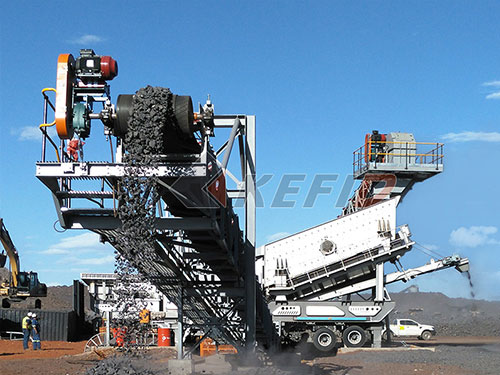
Screening System:
Capacity here is as vital as crushing capacity. A multi-deck vibrating screen setup (often 2-3 units) with sizes ranging from 6x20ft to 8x24ft is necessary to efficiently separate multiple product fractions—oversize (+40mm), middle fractions (20-40mm), aggregates (10-20mm), chips (5-10mm), and sand (<5mm).
Material Handling Network:
A network of heavy-duty conveyors with appropriate widths (800mm to 1200mm), speeds, and impact idlers at feed points forms the plant’s circulatory system. Poor conveyor design leads to spillage bottlenecks.
Power Supply and Control System:
Total connected power can range from 600 kW to over 900 kW. A centralized PLC-based control system with automated level sensors and crusher settings adjustment is no longer a luxury but a necessity for optimizing output and protecting equipment.
When positioning a 250-300 TPH plant solution, professional dealers must guide clients through these critical decisions:
Successful dealers in this segment transition from being order-takers to becoming solution partners Their value encompasses
1Pre-Sales Engineering Conducting thorough site audits material testing proposing optimal flow diagrams layout planning
2Commissioning Training Supervising erection commissioning providing comprehensive operator maintenance training ensuring smooth ramp-up designed capacity
3Parts Service Support Maintaining strategic inventory critical wear parts concaves mantles screen meshes Offering preventive maintenance contracts remote monitoring services maximize uptime
4Financial Solutions Partnering financial institutions offer flexible purchase lease rental models making capital-intensive investment accessible clients
Dealers must proactively address common challenges
The export sale deployment tph stone crushing plant represents significant undertaking requiring deep technical commercial expertise For dealer transaction represents opportunity build lasting partnership client success hinges reliable efficient operation well-configured plant By focusing holistic solution encompassing right equipment configuration robust support services strategic financial packaging dealer positions themselves indispensable partner thriving aggregate construction industry Ultimately expertise delivering not just machine but fully integrated productive asset capable generating steady returns years come defines leadership competitive global marketplace
Lorem ipsum dolor sit amet, consectetur adipisicing elit. Consectetur sequi saepe ut sunt eveniet perferendis excepturi, iste obcaecati. Qui tempore hic sed quia soluta obcaecati vel.