
In the vast and complex world of construction and landscaping, where materials range from highly engineered composites to elemental raw resources, one product has consistently proven its indispensable value through simplicity, versatility, and brute-force effectiveness: Crusher Run. Known also as quarry process (QP), dense grade aggregate (DGA), or 3/4-inch minus, crusher run is not a single, meticulously sized product but rather a blended amalgamation. Its composition and inherent properties make it a fundamental material for creating stable, durable, and well-draining foundations upon which countless projects are built. This article delves into the specifics of what crusher run is, its key characteristics, its primary applications, and the critical considerations for its proper installation.
At its core, crusher run is precisely what its name implies: it is material that comes directly “from the crusher” without further screening to remove the finer particles. It is a mixture of coarse aggregate (crushed stone, gravel) and fine aggregate (stone dust or “fines”) that results from the initial crushing of rock at a quarry.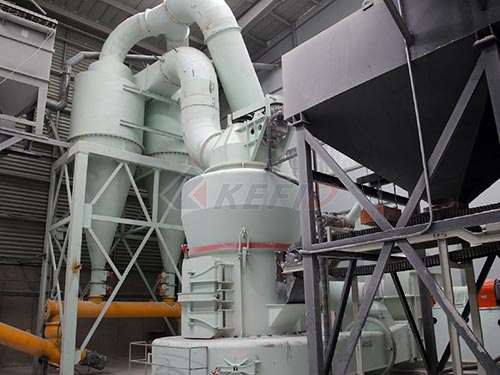
The most common specification for crusher run is often referred to as “3/4-inch minus” or “1-inch minus.” This nomenclature indicates that the largest stones in the mix will not exceed 3/4 of an inch or 1 inch in diameter, respectively, and includes everything down to the finest stone dust. This gradation is not random; it is a calculated blend designed to achieve optimal density. When compacted, the smaller particles and fines effectively fill the void spaces between the larger stones. This interlocking mechanism creates a tight, almost solid matrix that is highly resistant to movement and settling.
The materials used can vary by geographical location and local geology. Common parent rocks include limestone, granite, trap rock, and sometimes gravel. The choice of rock can influence properties like hardness, durability, and drainage characteristics slightly, but the fundamental principle of the graded aggregate mixture remains consistent.
The unique composition of crusher run grants it a set of properties that are difficult to replicate with single-sized aggregates. These characteristics are the source of its widespread utility.
Exceptional Compaction and Stability: This is crusher run’s most defining feature. The presence of the stone dust allows the material to compact to a remarkably high density. Unlike clean stone (e.g., #57 stone), which has large void spaces that can lead to shifting over time, compacted crusher run forms a semi-rigid slab that locks together. This stability provides unparalleled load-bearing capacity, making it ideal for supporting heavy weights like vehicle traffic or structural foundations.
Superior Drainage Characteristics: While it forms a solid surface, properly installed crusher run is also permeable. The interconnected spaces between the compacted particles allow water to percolate through it rather than pooling on top. This prevents water from softening subgrades—a common cause of pavement failure—and helps manage stormwater runoff effectively. It strikes an excellent balance between stability and drainage that pure clay or silt (which holds water) or clean gravel (which drains too freely without locking) cannot achieve.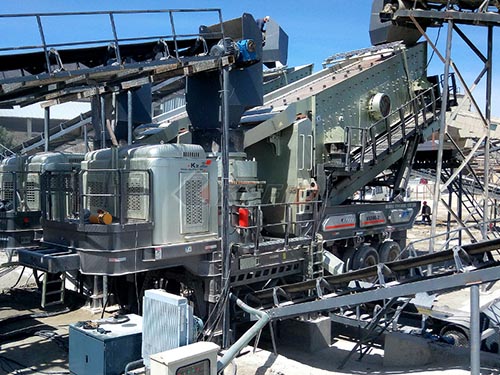
Ease of Installation and Versatility: Crusher run is a straightforward material to work with. It can be spread with common machinery like a box blade on a tractor or even by hand with rakes for smaller projects. Its ability to bind together means it does not scatter easily during installation before compaction. Furthermore, it serves multiple functions simultaneously: it is the base material, the drainage layer, and sometimes even the final surface layer in one product.
Cost-Effectiveness: As a minimally processed material—it bypasses additional screening stages—crusher run is often one of the most economical aggregate options available. Its multi-functional nature also reduces costs by eliminating the need for multiple different materials for base preparation and drainage.
The properties of crusher run make it suitable for a wide array of applications across residential, commercial, and municipal projects.
The performanceofcrushe rrunis entirely dependenton properinstallation.Failureto followcorrect procedureswill resultin prematurefailure,nomatterhow good thematerialis.The processcanbe broken downinto severalkey steps:
Despiteits many virtues,crushe rrunis not aperfectsolutionforevery scenario.Its roughtexturemakesit unsuitablefor directcontactwith bare feetor asa playareasurfacefor children.Dustcan bean issueindry conditionsuntilitis fullysettled.Furthermore,in applicationswhere absolutemaximumpermeabilityis required(suchasFrench drains),aclean,drained stonewithoutfineslike #57stoneisa betterchoiceasthefinesincrusherruncanclogand reduceflow overtime.Finally,sourcingqualitymaterialfromareputablequarryis essentialtopreventcontaminationwith clayor others oils thatwould compromiseits performance.
In conclusion,crushe rrunstandsasa testamenttothe principlethatthe wholecanbegreaterthanthesumofits parts.This simpleblendofvarious-sizedstonesand dust,masterfullyengineeredbynatureand process ,providesafoundationofliteraland figurativestrengthfor awide spectrumofhuman endeavors.Its enduringpopularityin constructionand landscapingis awell-earnedaccoladefor amaterialthatso reliablydoesthehardworkoutofsight,pavingth ewayforsafer ,more durable,and more successfulprojectsabove
Lorem ipsum dolor sit amet, consectetur adipisicing elit. Consectetur sequi saepe ut sunt eveniet perferendis excepturi, iste obcaecati. Qui tempore hic sed quia soluta obcaecati vel.